

 Why Strut
 Services
 Recent Surveys
 Locations
 Knowledge
 Contact
ROOFING SURVEYING SERVICES
BS 6915 Leadwork Surveys
Independent BS 6915 leadwork survey services for lead flashings, valleys, gutters, parapets, lead roofs, thermal movement defects and workmanship disputes.
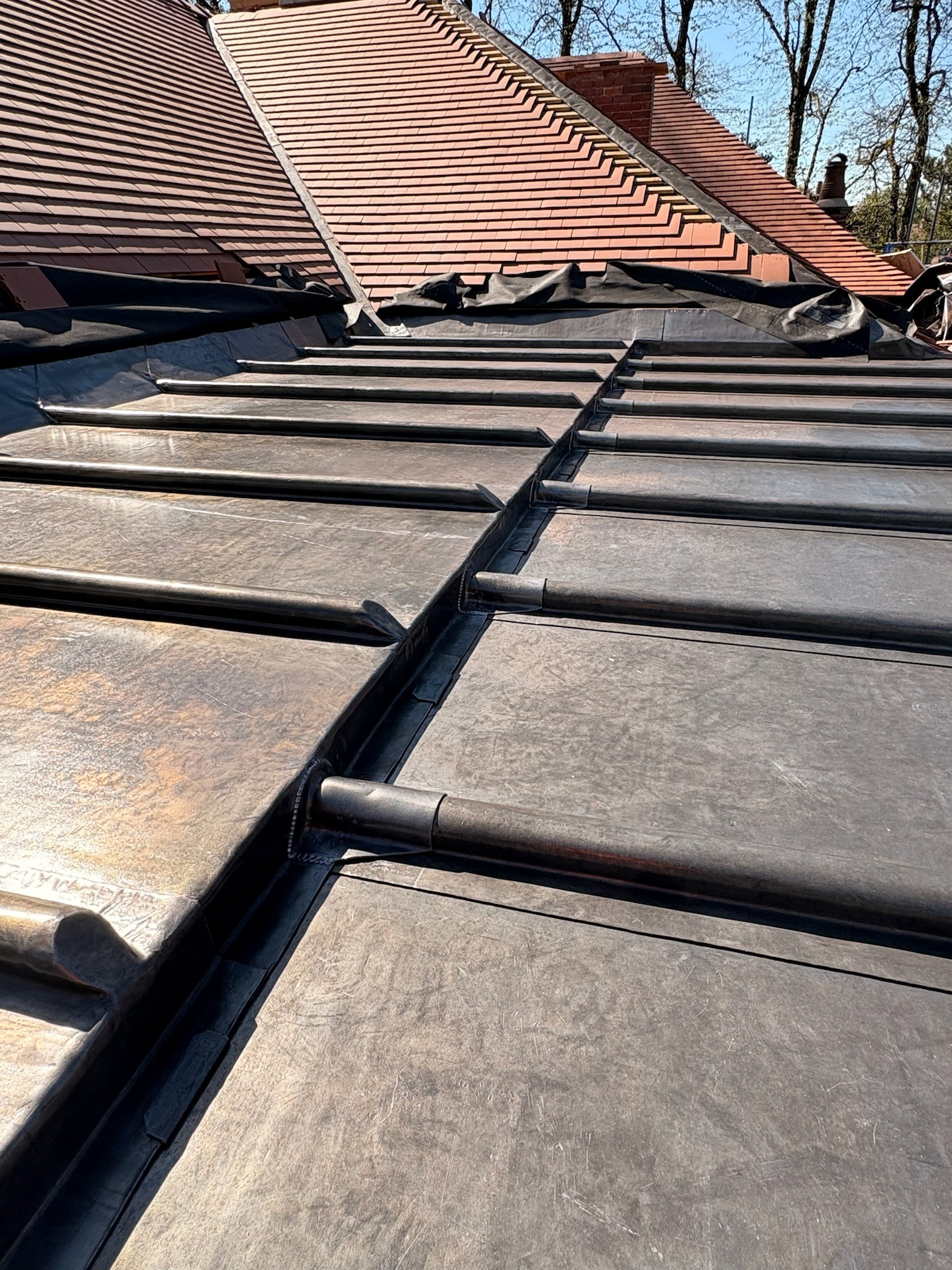
Independent BS 6915 leadwork survey services for lead flashings, valleys, gutters, parapets, lead roofs, thermal movement defects and workmanship disputes.
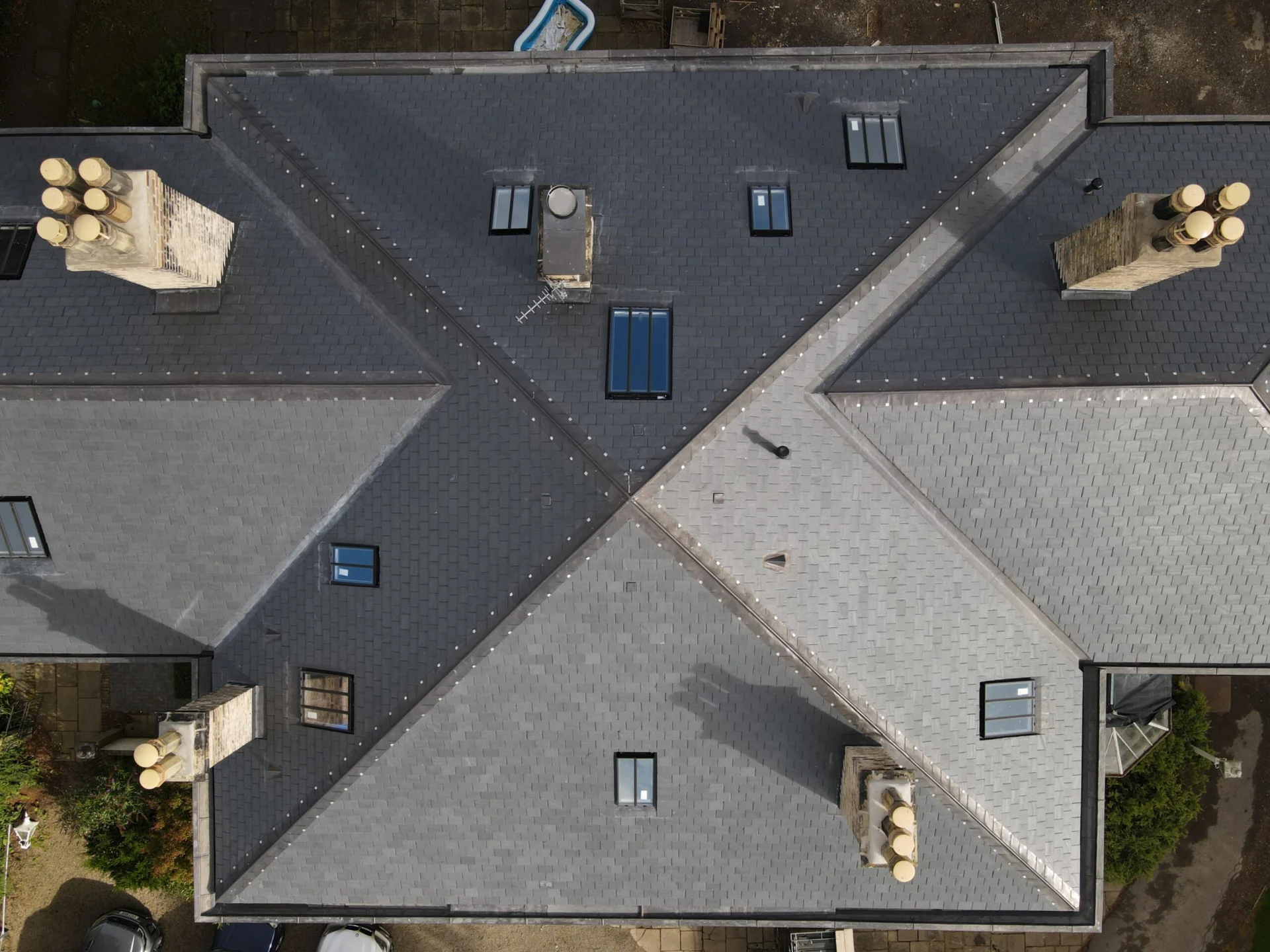
Pitched roof surveys for slates, tiles, battens and roof covering defects.
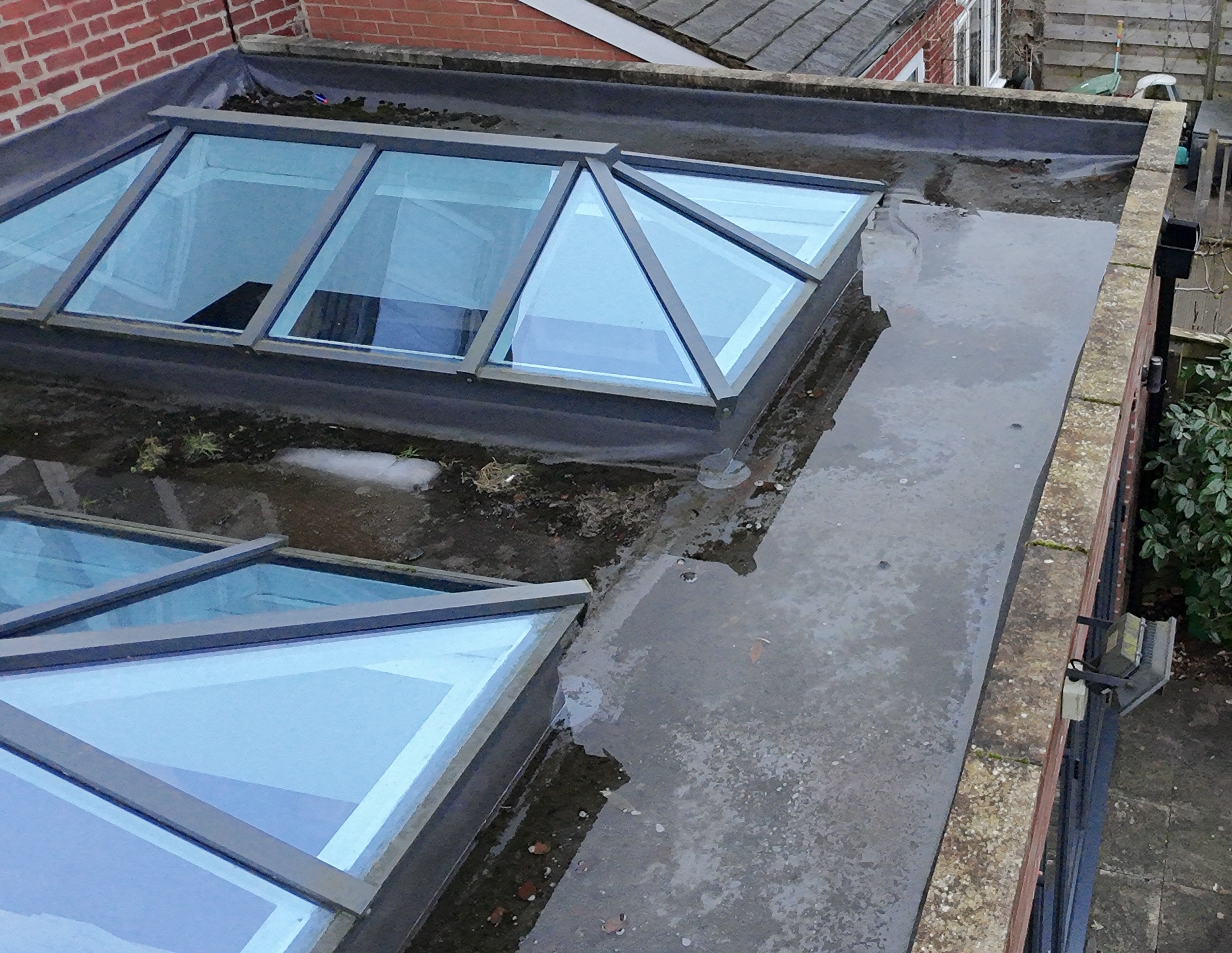
Flat roof drainage, waterproofing, insulation and condensation assessments.
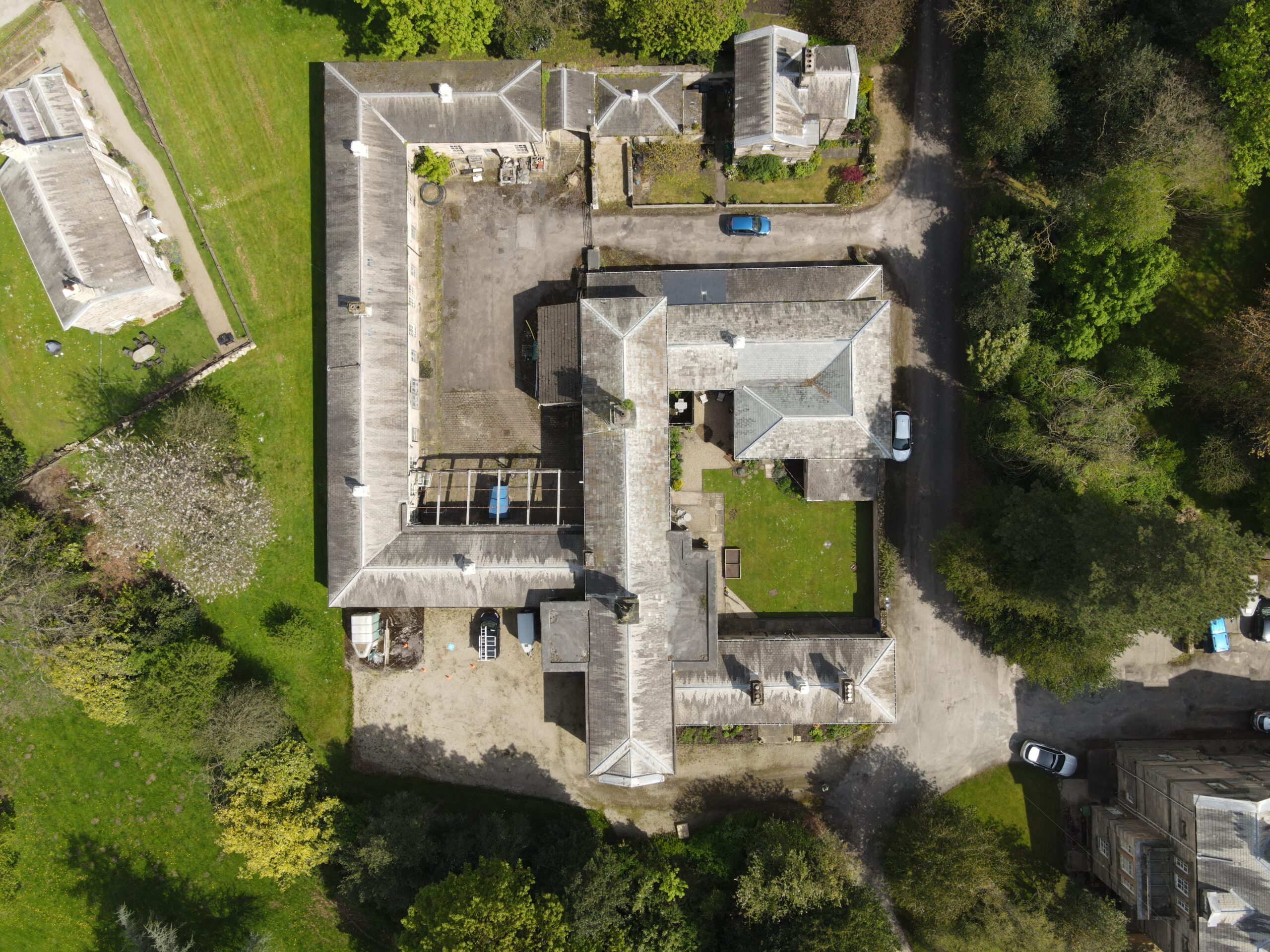
Aerial inspections of flashings, valleys, gutters, chimneys and roof coverings.
A BS 6915 leadwork survey focuses on one of the most common causes of roofing failure: defective leadwork.
Lead is a highly durable roofing material when detailed correctly. However, poor workmanship, incorrect sizing, inadequate expansion detailing, poor fixing methods and inappropriate code selection can result in cracking, splitting, fatigue failure and water ingress.
Strut Building Surveyors inspect lead flashings, lead valleys, parapet gutters, box gutters, lead roofs, abutments, secret gutters, stepped flashings and bespoke leadwork installations.
Our role is to identify the defect, explain the underlying cause and provide practical recommendations for repair or replacement.
Get in Touch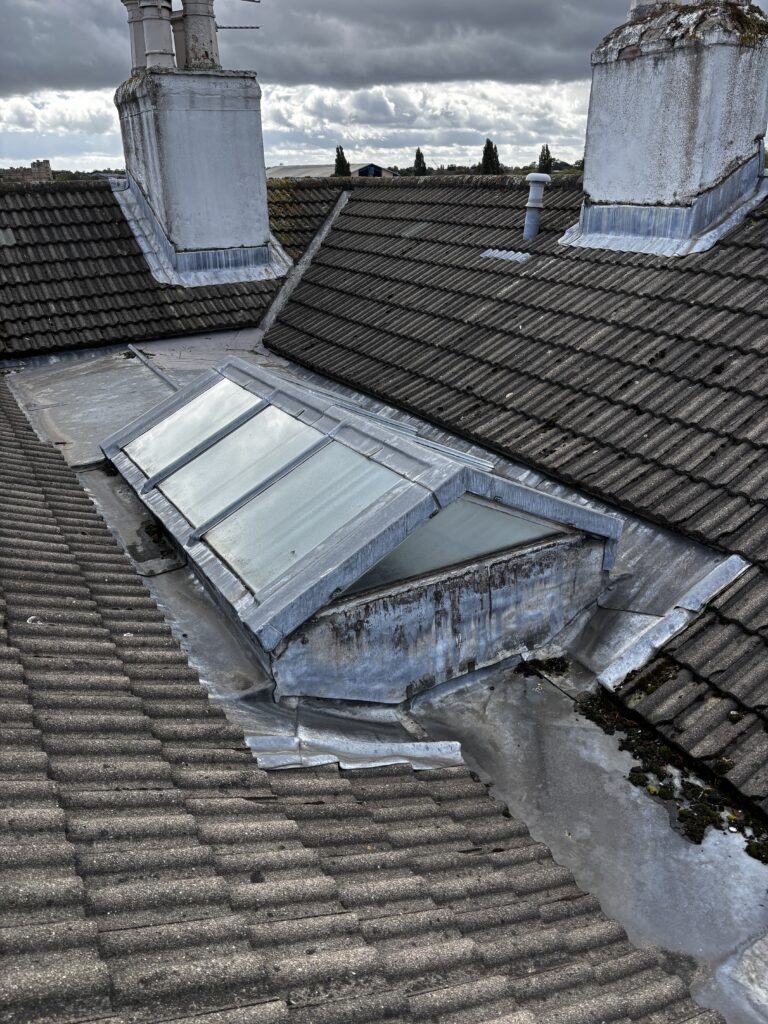
BS 6915 is the recognised British Standard covering fully supported lead sheet roof and wall coverings. It provides guidance on lead sheet sizing, bay lengths, thermal movement, fixings, detailing and installation methods.
A BS 6915 leadwork survey helps determine whether leadwork has been designed and installed in a way that is likely to provide long-term performance.
Useful technical references include the British Standards Institution, the Lead Sheet Association, the Building Regulations Approved Documents and the HSE construction guidance.
Flashings are often the first point of failure. We inspect stepped flashings, cover flashings, apron flashings and secret gutter flashings for cracking, poor dressing, inadequate chase depth, insufficient cover and movement restrictions.
Lead valleys are exposed to significant water flow and thermal movement. We inspect valley widths, bay lengths, support, welt details, fixings and evidence of fatigue cracking.
Many of the most expensive roofing failures occur within lead-lined gutters. Our inspections consider falls, outlets, expansion joints, bay sizing, support and evidence of standing water.
Lead roofs require careful attention to bay sizes, thermal movement and fixing methods. We assess whether the installation appears consistent with accepted leadwork practice and BS 6915 principles.
Lead expands and contracts significantly. When movement is restrained, fatigue cracking frequently develops. This is one of the most common findings during a BS 6915 leadwork survey.
Lead sheet thickness should be appropriate for the application. Underspecified lead often fails prematurely, particularly within gutters and valleys.
Lead sheets installed beyond recommended maximum dimensions frequently crack as movement stresses accumulate.
Mechanical restraint, inappropriate clips, exposed fixings and poorly formed joints can all significantly reduce the lifespan of a leadwork installation.
A BS 6915 leadwork survey is commonly instructed where:
Where concealed details cannot be inspected visually, we may recommend:
Review of photographs, drawings, previous reports and defect history.
Inspection of flashings, gutters, valleys, roofs and associated leadwork details.
Preparation of a detailed report identifying defects, likely causes and recommended actions.
Specification writing, contractor liaison, tender support and periodic inspections where required.
