condensation and moisture risk
STRUT BUILDING SURVEYORS

Condensation & Moisture Risk

Moisture Diagnosis & Building Pathology

Understanding moisture before defects develop.

Independent condensation and moisture risk assessment for dampness, mould growth, roof void condensation, interstitial condensation, ventilation defects, thermal bridging and moisture-related building failure.

Arrange a Moisture Assessment
CONDENSATION & MOISTURE RISK

Understanding Moisture Behaviour in Buildings

Condensation is one of the most commonly misdiagnosed building defects.

Staining, mould growth, dampness and timber deterioration are frequently attributed to water ingress when the underlying cause may be excess internal moisture, inadequate ventilation, thermal bridging or poor vapour control.

At Strut Building Surveyors, we investigate condensation and moisture risk through a building pathology approach. We consider how buildings are occupied, heated, ventilated, insulated and constructed.

Our objective is to distinguish between external water ingress, internal condensation, trapped construction moisture, air leakage and wider moisture movement before repair decisions are made.

Clients instruct Strut where moisture-related defects are unclear, recurring, disputed or capable of causing long-term damage to the building fabric.

Get in touch

Condensation & Moisture Risk | Damp, Mould and Building Fabric Performance

Understanding Condensation and Moisture Risk

Moisture exists within every building. It is generated through normal daily activities such as cooking, bathing, washing, drying clothes and breathing.

Problems arise when moisture production exceeds the building’s ability to remove, buffer or manage that moisture. When warm, moisture-laden air encounters a sufficiently cold surface, condensation can form.

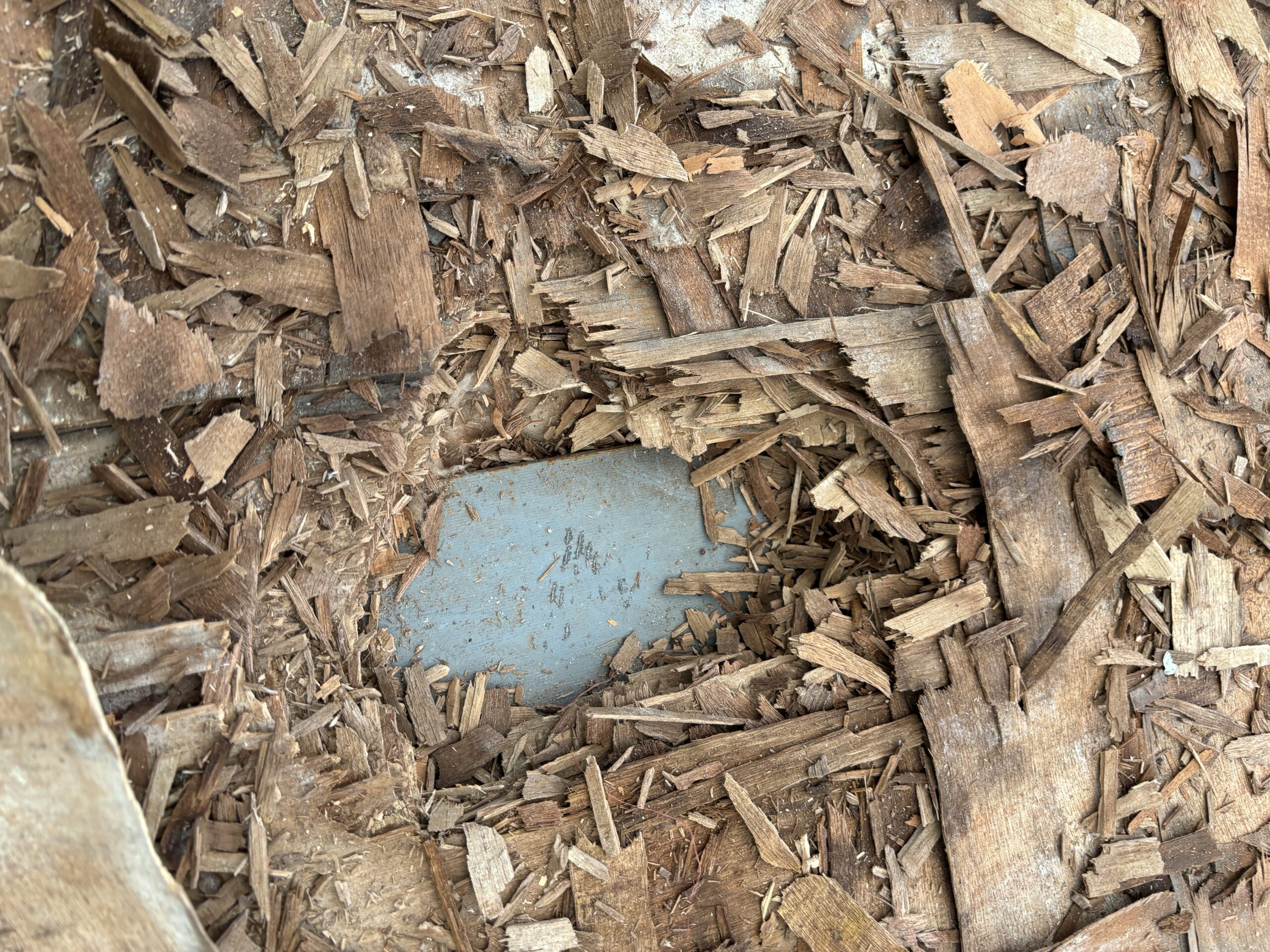
Repeated condensation can lead to mould growth, staining, plaster deterioration, timber decay, corrosion and reduced insulation performance.

Condensation problems are often symptoms of wider issues involving ventilation, insulation, thermal bridging, air leakage, heating patterns or building use.

Why Accurate Diagnosis Matters

Moisture defects are often misdiagnosed. Dampness may be assumed to result from water ingress when the true cause is condensation, or condensation may be blamed when an external leak is present.

Without proper investigation, repairs can be directed at the wrong issue. This may result in unnecessary roof repairs, inappropriate damp treatment, ineffective ventilation changes or continued deterioration.

Our role is to interpret the evidence and identify the most likely moisture mechanism before recommendations are made.

We inspect visible staining, mould, dampness, condensation patterns, ventilation provision, roof voids, internal finishes and relevant construction details.

We consider likely moisture sources and mechanisms, including condensation, water ingress, thermal bridging, ventilation imbalance, air leakage and vapour movement.

We provide clear written advice that explains the likely cause, practical implications and recommended next steps.

Where required, we support clients with repair scope, ventilation improvements, insulation strategy, monitoring, specification and contractor review.

Common Moisture Problems We Investigate

Strut is instructed where condensation, mould, dampness or moisture-related deterioration requires more than a generic opinion.

Many instructions arise where previous repairs have failed, where water ingress and condensation are being confused, or where the building has been altered in a way that changes moisture behaviour.

Our reports are designed to reduce uncertainty and help clients make informed decisions based on evidence rather than assumption.

Moisture Risk Assessment Adds Value When

We consider whether mould is likely to be associated with condensation, water ingress, poor ventilation, thermal bridging or a combination of moisture-related factors.

Recurring condensation may indicate inadequate ventilation, cold surfaces, poor heating patterns, high internal humidity or unsuitable building alterations.

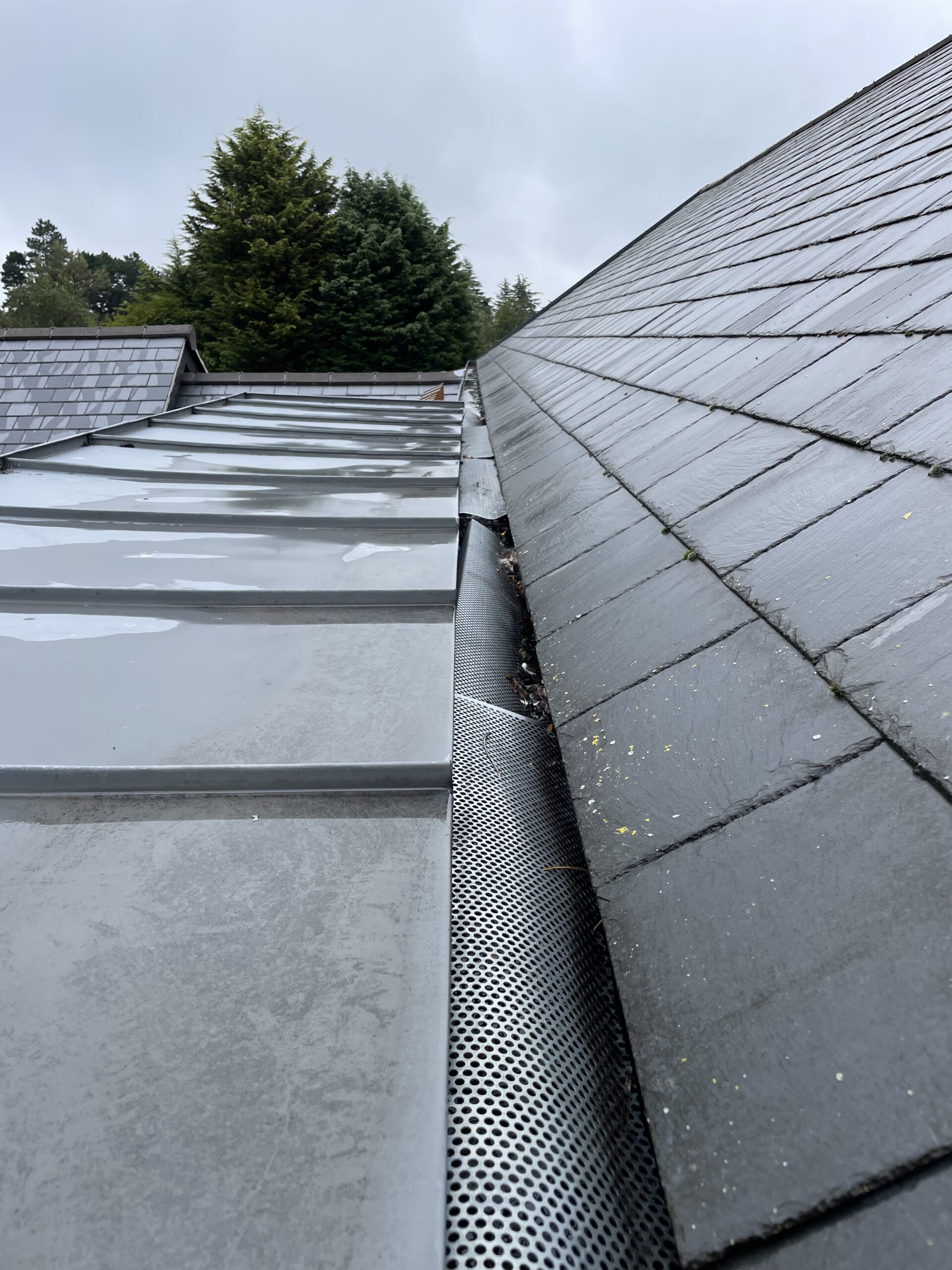
Moisture in roof voids may relate to poor ventilation, air leakage, insulation defects, missing vapour control or external water ingress.

Interstitial condensation occurs within the construction itself and can affect roof structures, insulation systems, timber elements and wall build-ups.

We help distinguish between external water ingress, rising damp, penetrating damp, condensation and trapped moisture before repair decisions are made.

Insulation upgrades, replacement windows, airtightness improvements and changes to heating or ventilation can alter moisture behaviour within a building.

Traditional buildings often rely on vapour-open materials and natural moisture buffering. Modern interventions can sometimes create unintended moisture risks.

Water Ingress

Separating external leaks from condensation, internal moisture and hidden water pathways.

Building Envelope

Assessment of roofs, walls, insulation, junctions and external fabric performance.

Building Pathology

Understanding moisture behaviour, building use, material performance and defect causation.

Our Condensation & Moisture Risk Process

Our moisture investigations are structured to help clients distinguish symptoms from causes and move towards evidence-led repair or management decisions.

Inspect

We inspect visible moisture symptoms, internal finishes, ventilation provision, roof voids, external fabric and relevant construction details.

Interpret

We interpret moisture patterns, thermal risk, ventilation, occupancy, insulation, air leakage, material behaviour and possible water routes.

Report

We provide clear written findings, photographs, likely causes, practical recommendations and further investigation advice where required.

Monitor

Where appropriate, we may recommend humidity monitoring, temperature monitoring, moisture testing or seasonal review.

Specify

Where required, we prepare repair scopes, ventilation recommendations, insulation strategies or technical specifications.

Support

We can assist with contractor briefing, tender review, progress inspections and completion review where further support is required.

Condensation or Water Ingress?

Condensation and water ingress can produce similar symptoms. Damp staining, mould growth, peeling decoration and timber deterioration may arise from external water entry, internal humidity or a combination of both.

A proper investigation should consider external fabric, rainwater systems, roof details, ventilation, heating, occupancy and construction type before reaching conclusions.

Where external water entry is suspected, we may link the investigation to water ingress, roofing failure or building envelope assessment.

Roofs, Voids and Interstitial Condensation

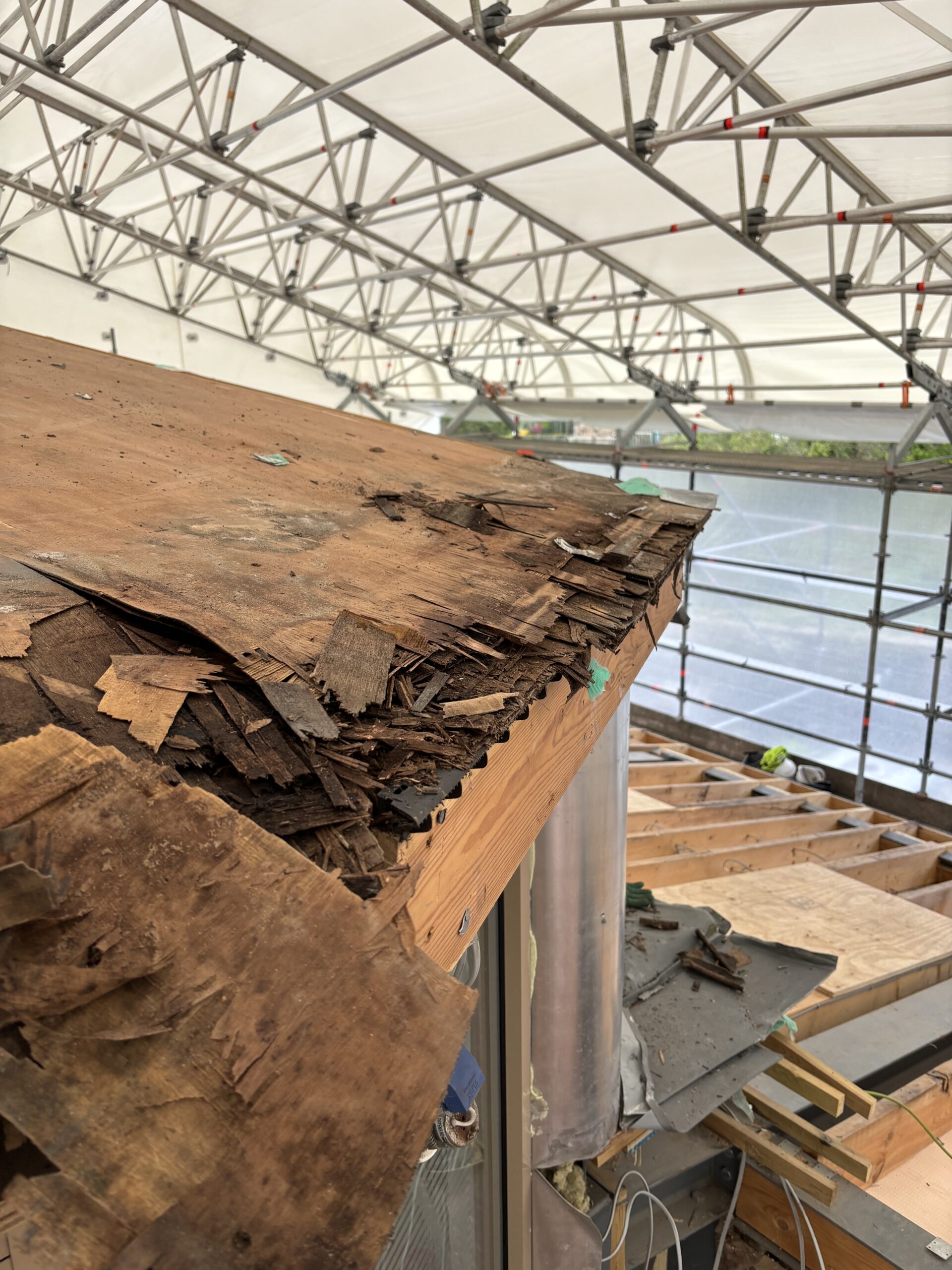
Roof voids and insulated roof build-ups are common locations for moisture-related defects. Warm internal air can enter cold roof spaces through gaps, service penetrations or poor airtightness, resulting in condensation on cold surfaces.

Interstitial condensation occurs within the construction rather than on visible surfaces. It can affect insulation, timber structures, sheathing boards and waterproofing build-ups.

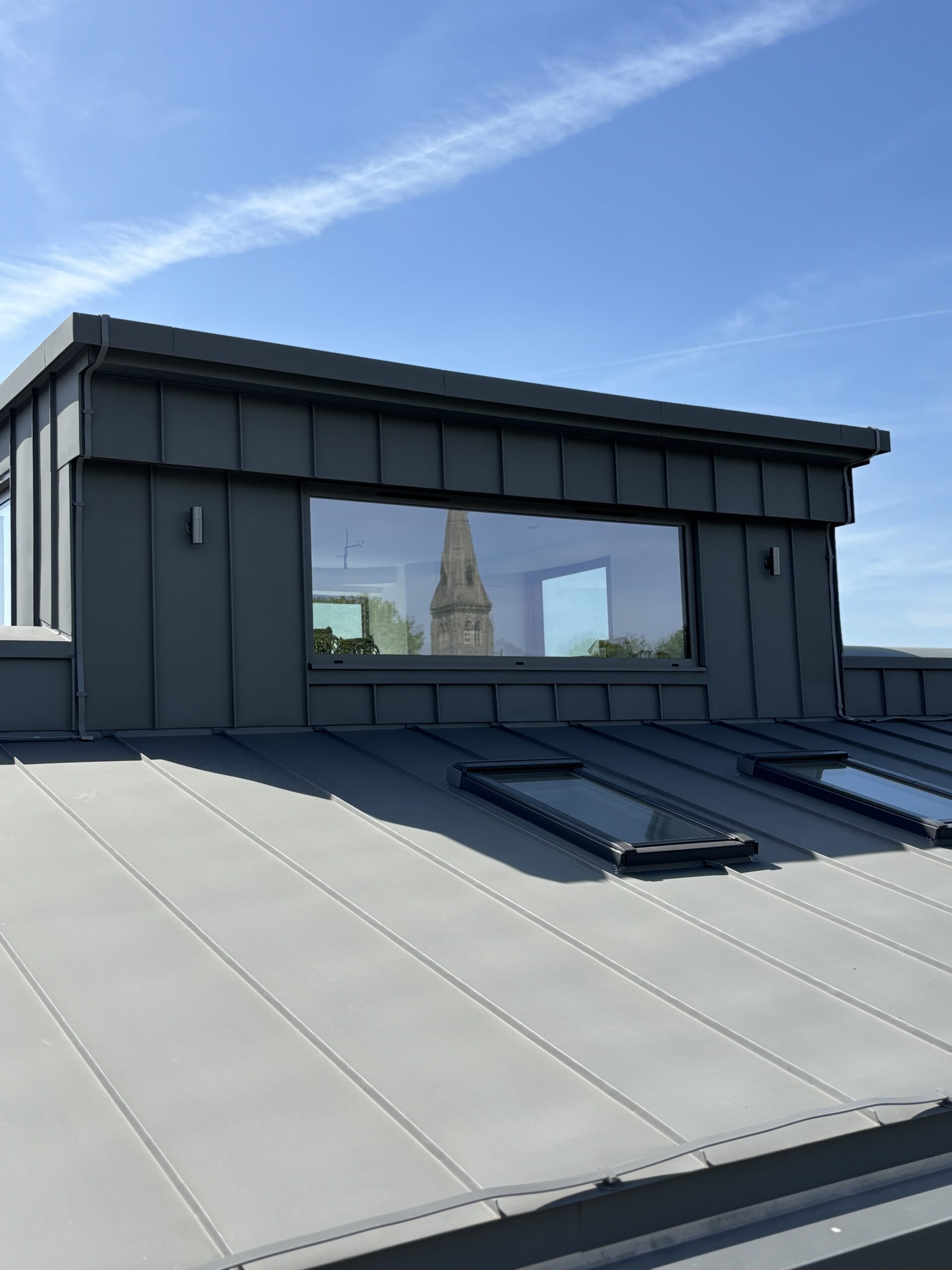
Roof moisture risk should be considered carefully where insulation, ventilation, vapour control or roof covering upgrades have changed the way the building performs.

Moisture Risk in Heritage Buildings

Traditional buildings often manage moisture differently from modern construction. Solid walls, lime mortars, timber structures and vapour-open materials can absorb and release moisture over time.

Problems can arise when modern impermeable materials, inappropriate insulation, sealed finishes or inadequate ventilation disrupt that balance.

Strut considers breathability, material compatibility, ventilation, previous repairs and building use when investigating moisture issues in heritage buildings.

When Further Investigation Is Needed

Some moisture issues cannot be fully diagnosed from a single visual inspection. Where hidden conditions are suspected, further investigation may be required.

This may include humidity monitoring, thermal review, borescope inspection, moisture testing, roof void inspection, opening-up or assessment over a longer period.

Where further investigation is needed, we explain why it is required and what decisions it is intended to support.

  • Humidity and temperature monitoring.
  • Moisture testing.
  • Roof void inspection.
  • Targeted opening-up.
  • Review of ventilation and insulation strategy.

Condensation & Moisture Risk Assessment Across Yorkshire & Northern England

Based in York, Strut Building Surveyors provides condensation investigation, moisture risk assessment and building pathology advice across Yorkshire and Northern England.

We are regularly instructed by homeowners, commercial property owners, buyers, managing agents, developers, schools, estates and professional advisers where moisture-related defects require careful technical investigation.

If you need to understand why a building is suffering mould growth, dampness, condensation, timber deterioration or repeated moisture problems, Strut can provide independent advice before repair decisions are made.

Request Moisture Risk Advice
Fabric Background Overlay Image
STRUT BUILDING SURVEYORS

Condensation & Moisture Risk

Strut Building Surveyors investigates condensation, moisture risk and dampness to identify likely causes before repair decisions are made.

From mould growth and roof void condensation to interstitial condensation, water ingress uncertainty, ventilation defects and heritage building moisture issues, our advice is designed to help clients make informed decisions.

Based in York, we work across Yorkshire and Northern England for homeowners, commercial clients, property investors, schools, managing agents and building owners.

Get in Touch
Strut Surveyors - York Surveyors
office@strutsurveyors.com

All rights reserved

Flat Roof Defects in York | Surveyor Inspection Guide

A surveyor-led guide explaining flat roof defects in York, why membranes fail prematurely, how inspections [...]

Leaking Roofs in York | Surveyor Inspection Guide

A surveyor-led guide explaining why leaking roofs in York are often misdiagnosed, how water travels [...]

Poor Roof Workmanship in York | Surveyor Inspections

A surveyor-led guide explaining how poor roof workmanship in York is identified, how it differs [...]

Poor Roofing Work in York | Independent Surveyor Guide

A detailed inspection-led guide explaining how poor roofing work in York is identified, why defects [...]

Party Wall Survey Guide | Strut

A Party Wall Survey under the Party Wall etc. Act 1996 prevents disputes during boundary [...]

Listed Building Survey Guide | Strut

A Listed Building Survey provides essential insight for owners and buyers of historic properties. Discover [...]

Building Safety Act 2022 Guide for Building Owners

A practical Building Safety Act 2022 Guide for domestic and commercial building owners, explaining time [...]

Snagging Survey Guide for New Builds | Strut

A Snagging Survey ensures your new-build home meets standards before the developer’s warranty expires. Discover [...]