What Is Building Pathology?
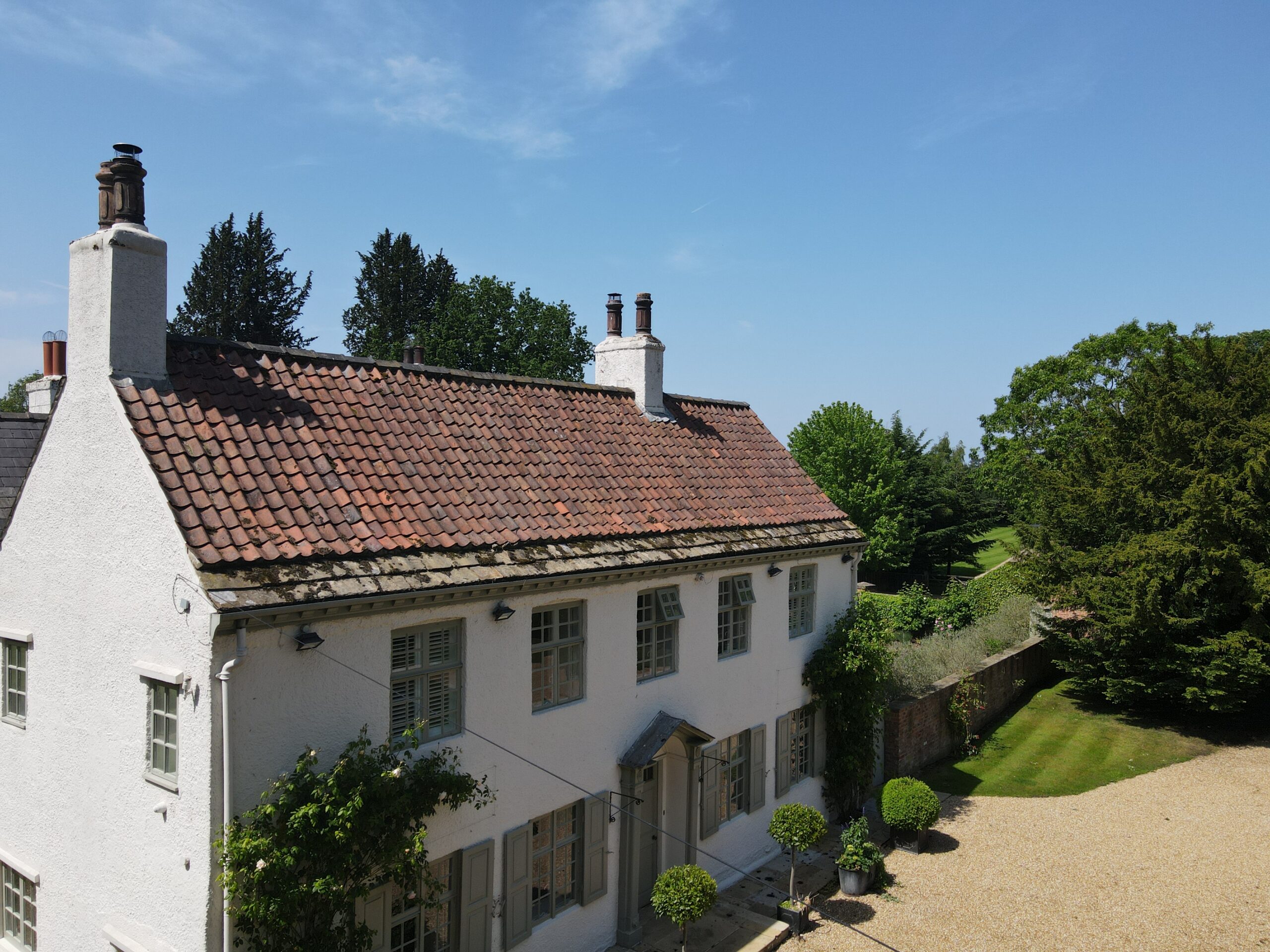
Building pathology is the study and investigation of building failure, deterioration and poor performance. It examines how construction methods, materials, workmanship, environmental exposure, moisture movement, maintenance, alteration and building use interact over time.
A building pathology survey goes beyond a simple condition assessment. It considers why a defect has developed, whether the mechanism remains active, what consequences may follow and what intervention is most appropriate.
This approach is particularly valuable where previous repairs have failed, where the cause of a defect remains unclear, where different parties have offered conflicting opinions or where substantial expenditure is being considered.
At Strut Building Surveyors, building pathology is central to our approach. The objective is to understand what has happened, why it has happened and what should happen next.
From Symptoms to Causes
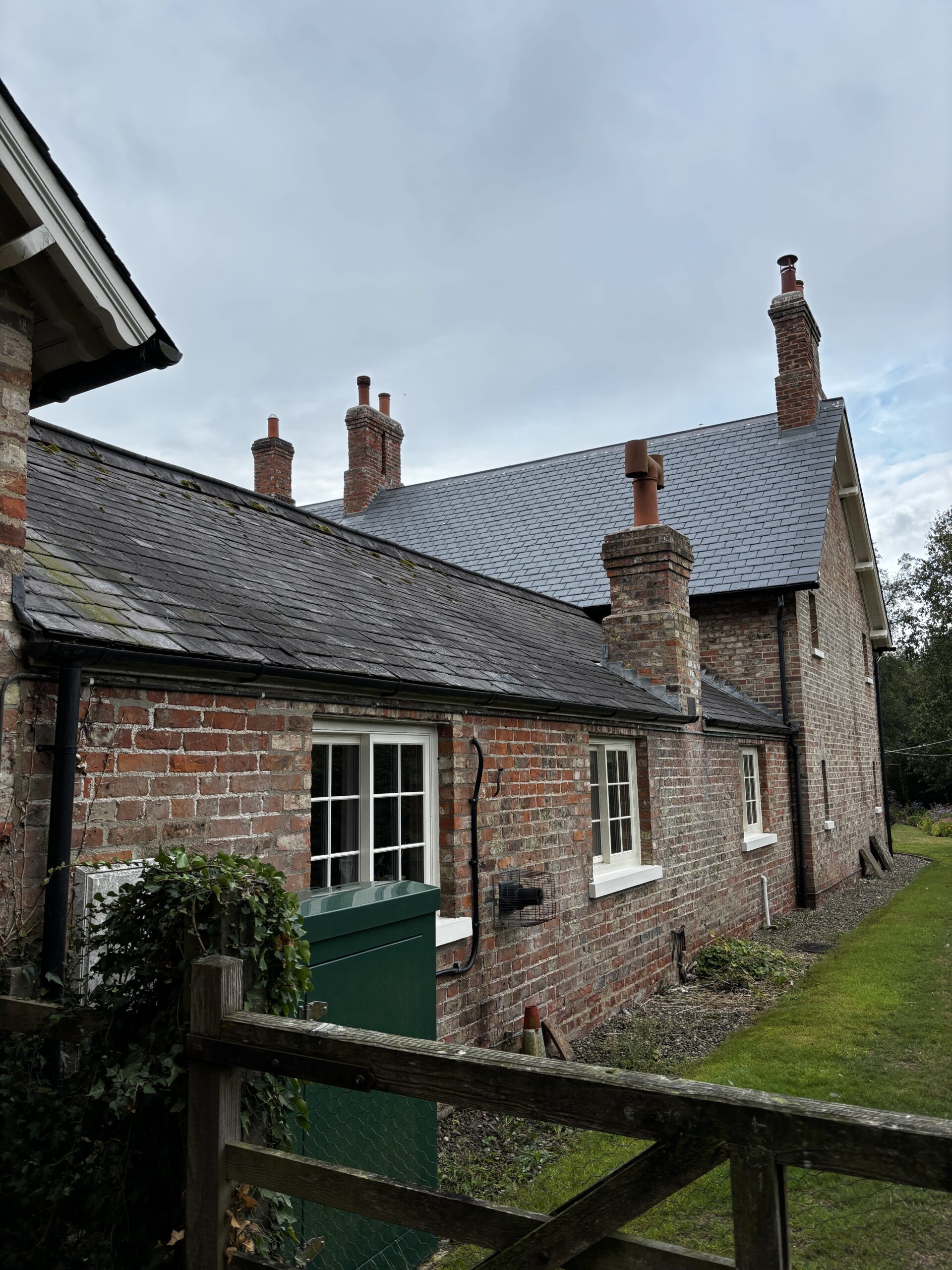
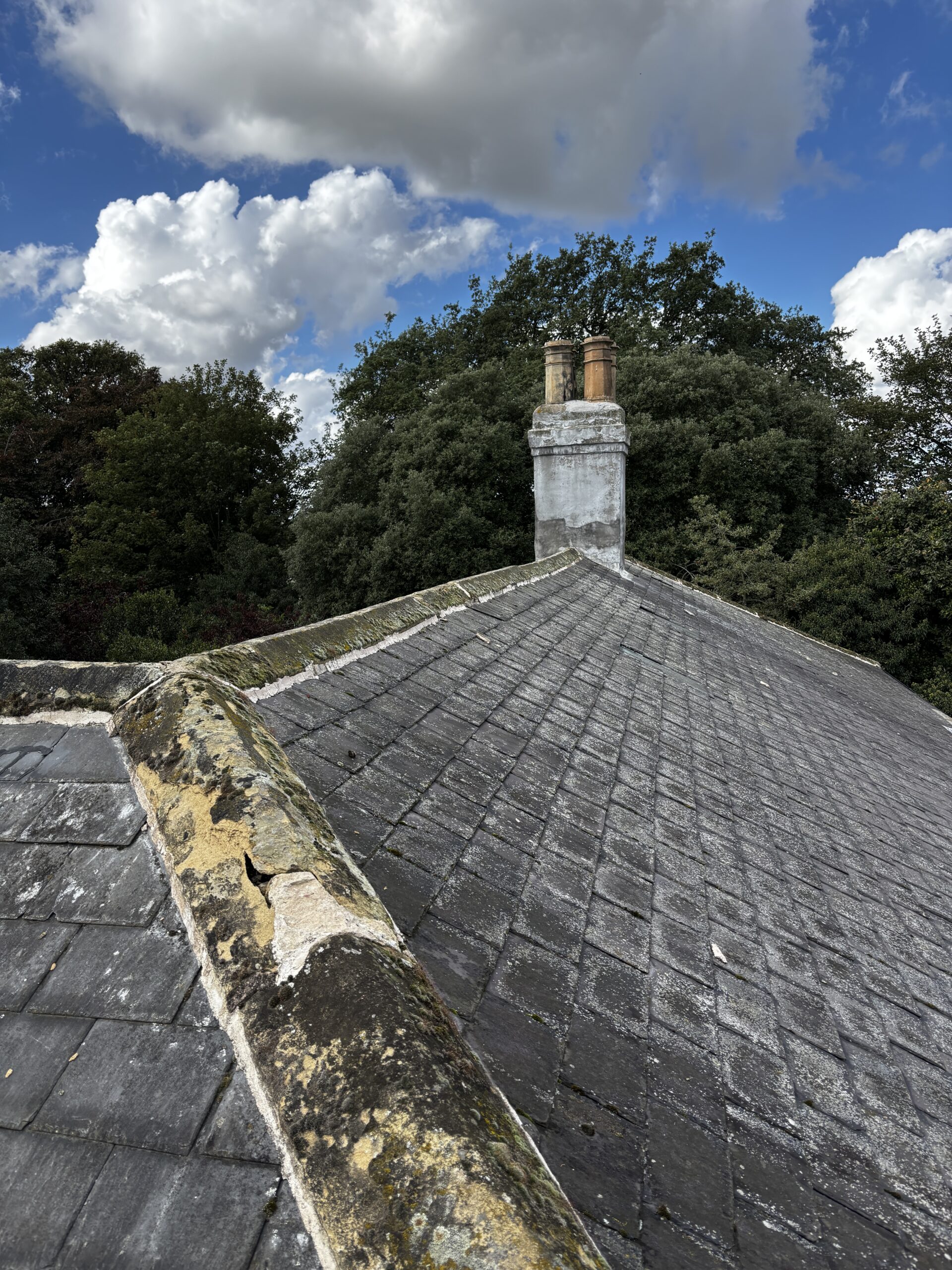
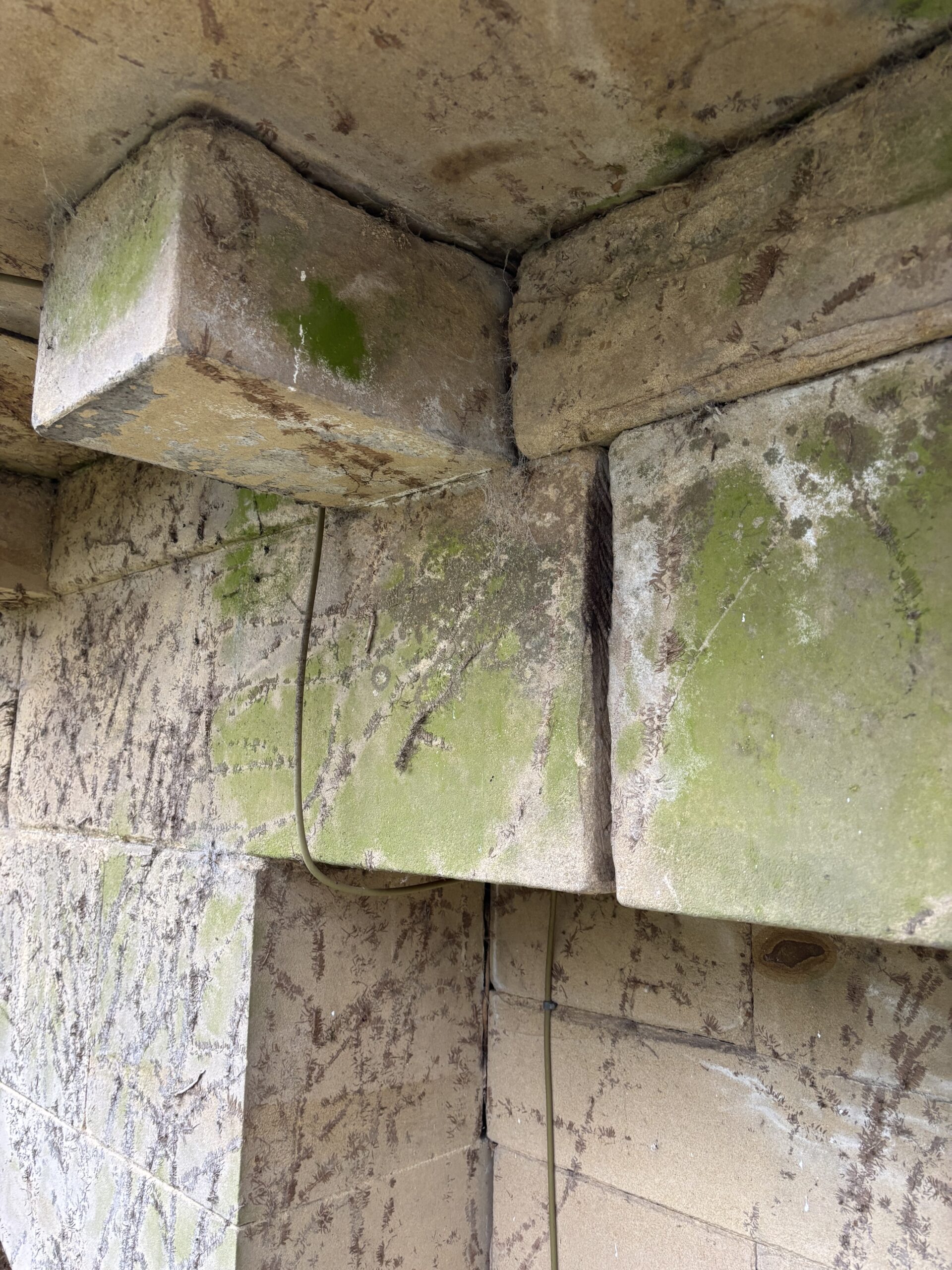
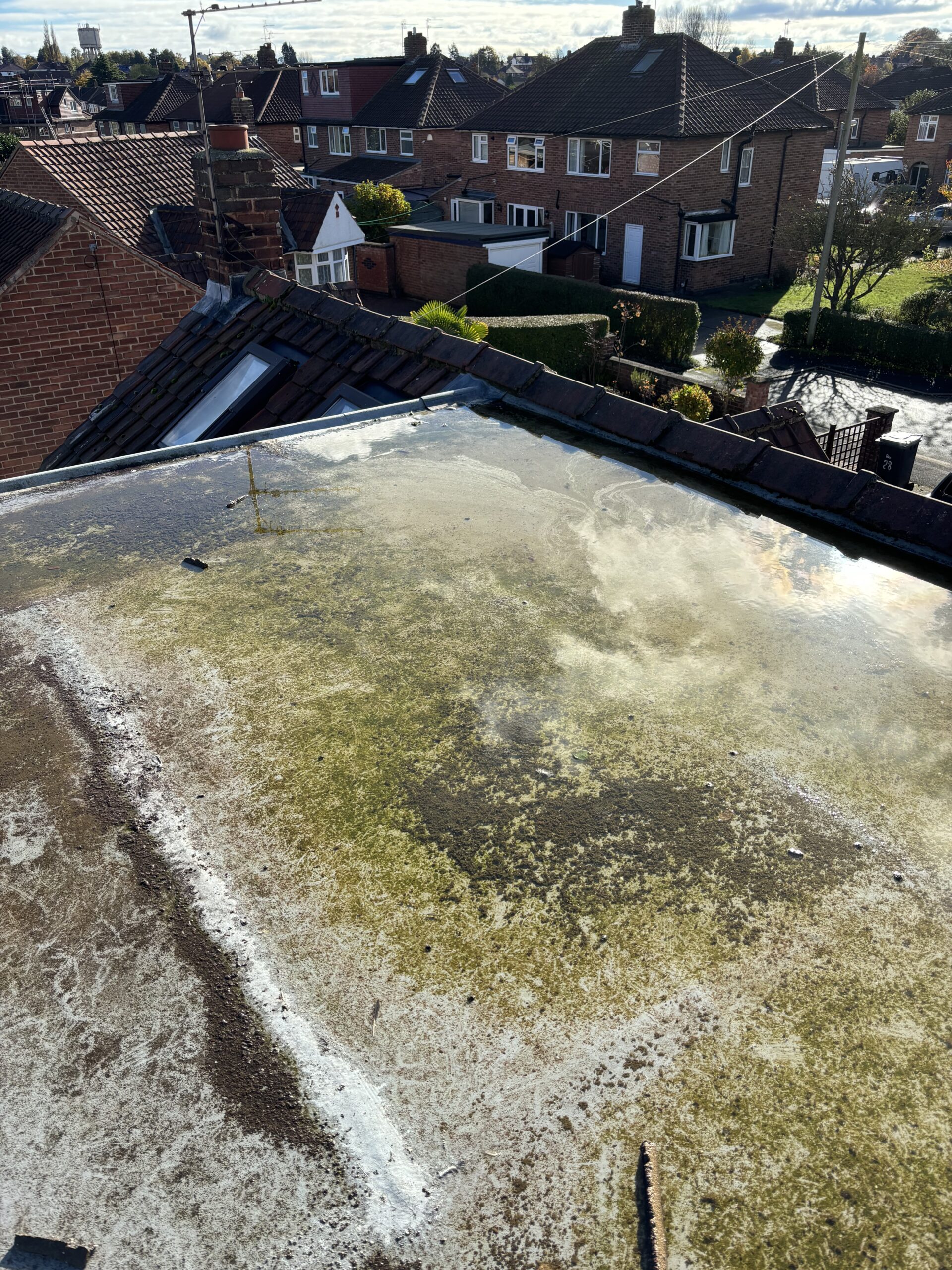
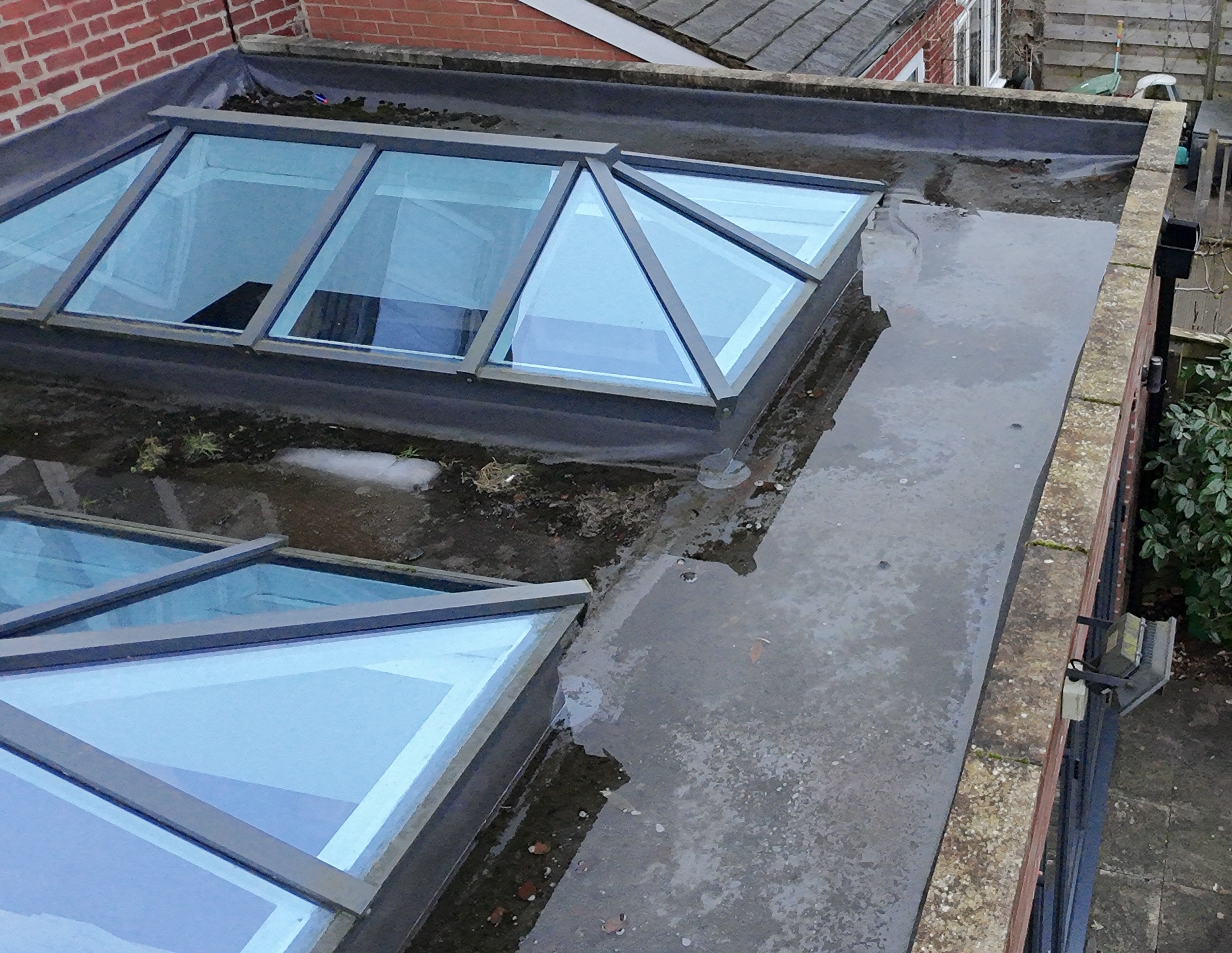
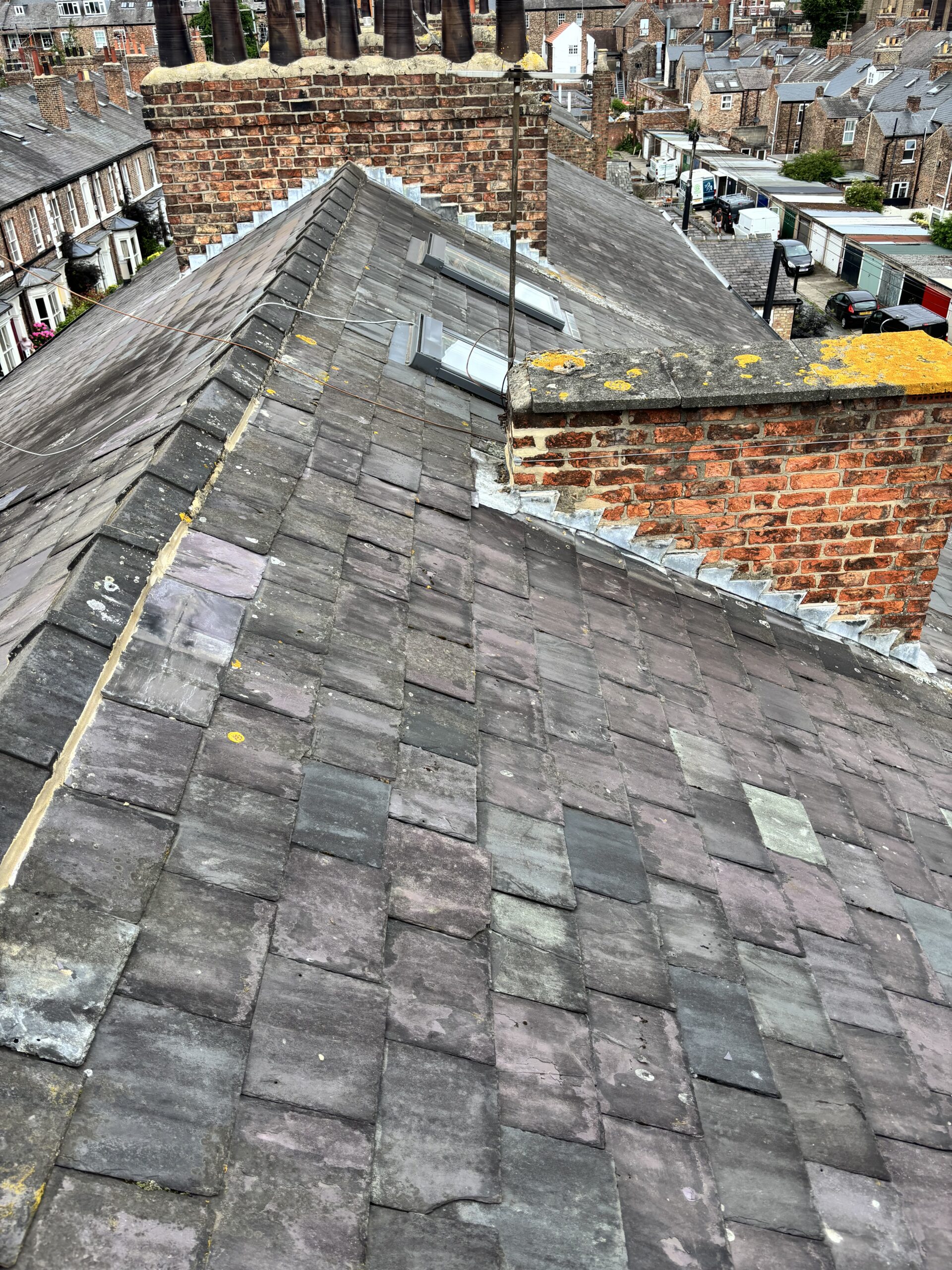
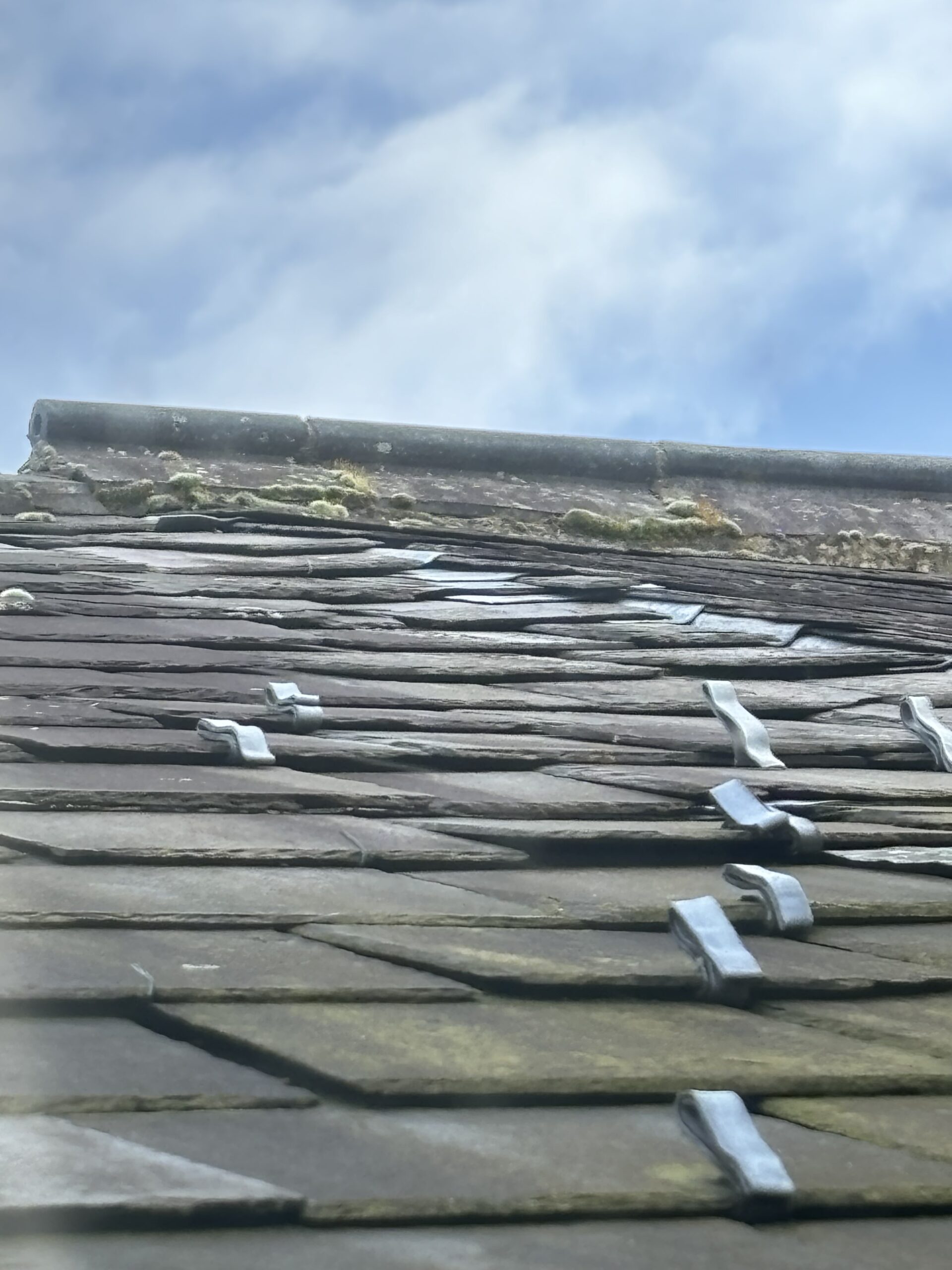
Many building defects present as simple symptoms. Water staining, damp plaster, mould growth, cracking, displaced roof coverings or failed flashings may be easy to observe.
The underlying cause can be much less obvious. A damp wall might result from rain penetration, defective rainwater disposal, condensation, a plumbing leak, masonry saturation, bridging, chimney defects, trapped moisture or the use of inappropriate impermeable materials.
Similarly, internal staining below a roof does not necessarily identify the point at which water is entering. Moisture can travel along underlays, timbers, masonry and other interfaces before becoming visible internally.
The role of a building pathology surveyor is therefore not merely to record the defect, but to distinguish between credible causes and determine which explanation is best supported by the evidence.
Where the available evidence does not justify a firm conclusion, the correct recommendation may be further opening-up, monitoring, testing or specialist investigation rather than an unsupported diagnosis.


 Why Strut
 Services
 Recent Surveys
 Locations
 Knowledge
 Contact