

 Why Strut
 Services
 Recent Surveys
 Locations
 Knowledge
 Contact
STRUT BUILDING SURVEYORS
What is a Party Wall
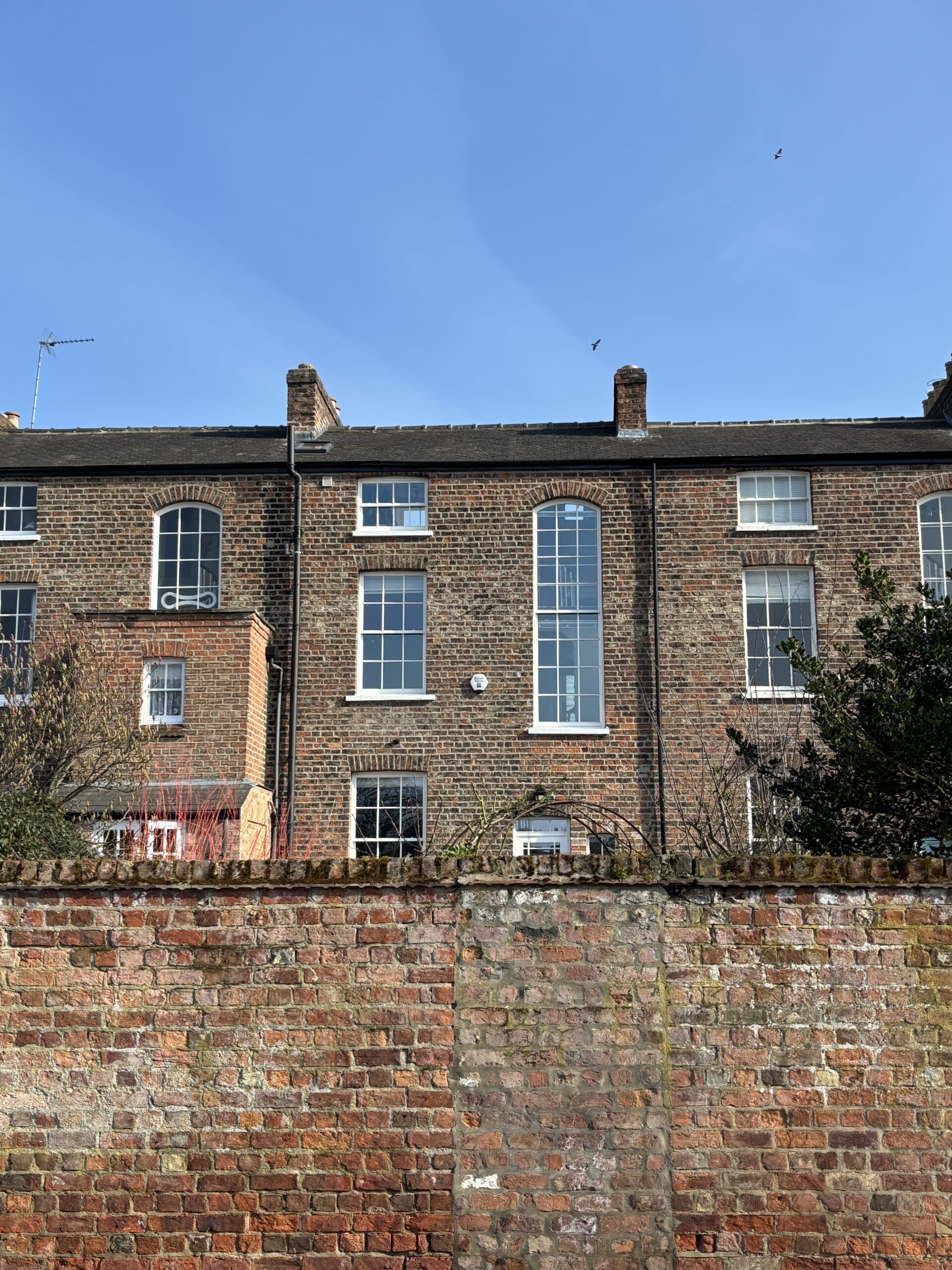
A party wall is a shared wall or structure that separates two adjoining properties and is legally owned by both parties. It is typically found in terraced houses, semi-detached homes, and commercial buildings. Party walls can also include garden walls and other structures near a boundary line.
Under the Party Wall etc. Act 1996, there are three main types of party walls:
Party Wall (Type A) – A wall that sits directly on the boundary line between two properties and is shared by both owners (e.g., the dividing wall between terraced houses).
Party Wall (Type B) – A wall that is entirely on one owner’s land but is used by both properties (e.g., a wall in a semi-detached home where one side supports the neighbor’s floor or roof).
Party Structure – A shared element, such as floors or ceilings, in flats or apartments.
The Party Wall etc. Act 1996 provides a legal framework for handling construction work that affects a party wall, ensuring that both property owners are protected from potential damage and disputes.
Get in touch
Role of a Party Wall Surveyor
A Party Wall Surveyor is a professional appointed under the Party Wall etc. Act 1996 to resolve disputes between property owners when construction work affects a shared boundary or a neighbouring structure.
Responsibilities of a Party Wall Surveyor
Assessing the Works – Review proposed construction works to determine if they fall under the Party Wall Act, such as:
- Building on or near the party wall.
- Excavating within a certain distance of a neighbouring structure.
- Making structural alterations to a shared wall.
Serving Notices – Assist the building owner in preparing and serving the required Party Wall Notice to affected neighbours (Adjoining Owners).
Handling Disputes – If the adjoining owner dissents to the notice, the surveyor helps resolve disputes, ensuring compliance with legal obligations.
Preparing a Party Wall Award – If an agreement isn’t reached informally, the surveyor (or jointly appointed surveyors) will prepare a legally binding Party Wall Award detailing:
- The extent of works permitted.
- Protective measures for adjoining properties.
- Access rights for construction.
- Responsibility for repairs and costs.
Conducting Schedules of Condition – Prior to work commencing, the surveyor will inspect and document the condition of the adjoining property to avoid future disputes regarding damage.
Monitoring Compliance – Oversee the works to ensure adherence to the Party Wall Award and address any concerns raised by either party.
Reporting by a Party Wall Surveyor
A Party Wall Surveyor will typically produce the following reports:
- Schedule of Condition Report – A detailed photographic and written record of the adjoining property’s condition before work starts.
- Party Wall Award – A legally binding document setting out the rights and responsibilities of both parties in relation to the works. This is clearly documented by a party wall surveyor.
- Final Inspection Report (if required) – A follow-up inspection to confirm compliance and assess any post-construction impacts.
Benefits of Engaging a Party Wall Surveyor
- Legal Compliance – Ensures construction works comply with the Party Wall etc. Act 1996, avoiding potential legal disputes.
- Dispute Resolution – Acts as an impartial expert to resolve disagreements fairly and professionally.
- Protects Property Interests – A Schedule of Condition protects both parties by recording the property’s state before work begins, minimising unfounded damage claims.
- Ensures Smooth Project Progress – Helps maintain good relations with neighbours, reducing delays caused by disputes.
- Risk Mitigation – A Party wall surveyor Identifies potential issues and enforces protective measures to prevent damage to adjoining structures.
Simple Definitions
Adjoining Owner
This is the person or company who is the freeholder or leaseholder of the adjoining property. Also for the purposes of section 6 of the Act, a property shall be deemed to be adjoining if it is within the relevant distance even if it is not actually adjoining.
Award
An Award is a legal document prepared by the surveyor(s) and basically has four parts.
1. The sections of the Act that are applicable and the names and addresses of all the parties concerned. 2. The description of the works to be undertaken. 3. The duties and rights of the two owners. 4. The conclusion with signatures and dates.
An Award should confine itself to the work relating to the Notices but may include matters arising out of or incidental to the dispute. For example if the Notice relates to section 6 of the Act which only relates to excavation work then such matters as the wall that is built upon the foundations are irrelevant.
It should not include matters relating to any easements, covenants or restrictions, personal matters between the parties or anything unrelated to the intended works.
Building Control Body
Local authority or approved inspector
Building Owner
This is the person or company that is proposing to undertake the works and is either the freeholder or has a lease for longer than one year.
Line of Junction
This is simply another name for boundary. It is the meeting point or junction of land or properties in different ownerships.
Notices
A Notice is simply the Building Owner informing the Adjoining Owner the works he proposes to undertake. There are some guidance Notices in Part V of this booklet that may be used together with guidance replies. However a Notice may be in the form of a simple letter but for a Notice to be valid it needs to contain the following:
1. The name and address of the Building Owner.
2. A description of the proposed works.
3. The date when the works will start.
Section 1 of the Act concerning works on the Line of Junction requires a notice period of one month.
Section 2 of the Act concerning works to a Party Wall requires two months notice.
Section 6 of the Act concerning excavating near to the Adjoining Owner’s property requires one month’s notice.
The Act says that it is the duty of the Building Owner to serve the Notice but very often this is done by a surveyor acting on his behalf, providing that he has been given written authority by the Building Owner to do so.
When a Notice is served the Adjoining Owner is expected to reply within 14 days, and if he does not do so then it is taken that he dissents to the work and Party Wall Surveyors are appointed to resolve the dispute.
However it must be noted that the Building Owner and Adjoining Owner may come to any agreement they so choose at any stage and this is to be accepted by the surveyors.
Party Structure
This is a wider term, which could be a wall or partition or other structure separating buildings or parts of buildings approached by separate staircases or entrances such as flats. See diagram 5.
Party Fence Wall
This is a dividing wall between the two properties that is not part of a building such as a garden wall, but it does not include a timber fence. See diagram 3.
Party Wall
This is a wall that is commonly shared between Owners. See diagrams 1, 2 and 4.
Party Wall Surveyor
This is the person that is appointed by the Building Owner or Adjoining Owner to resolve the dispute between the parties. (The parties being the Building Owner and Adjoining Owner)
Anyone may be a party wall surveyor except either of the owners who are not allowed to act for themselves. It is however usual to appoint surveyors who are experienced in the workings of the Act, and professional bodies that deal with this are given in part 6 of this guide. They will give you names of party wall surveyors in your area.
Each party may appoint their own chosen surveyor or each party may agree to use the same surveyor. In such a case the surveyor is simply known as the ‘Agreed Surveyor’.
Schedule of Condition
This is simply taking a record of the condition of the Adjoining Owner’s property before the work starts. It is usually done by describing the walls, floors and ceilings, or indeed any other parts that may be affected by the works such as the garden fence or planting, in writing. These notes are usually supported by photographs. Recording a Schedule of Condition is not a requirement of the Act but it is most prudent to do so and Party Wall Surveyors would advise this.
If however an Adjoining Owner does not wish this to be done then an Award may be drawn up without it, but in the event that damage occurs it may be difficult to prove that the damage is attributable to the works. It is therefore highly advised that such a record is made.
Special foundations
These are foundations in which an assemblage of beams or rods is employed for the purpose of distributing any load.
Party
Client-centric approach for property owners.
Wall
Maximising value through knowledge.
Surveyors
Mitigating risk clearly and concisely.
STRUT BUILDING SURVEYORS
Party Wall Surveyor
At Strut Building Surveyors, we believe every building has a story, and it’s our job to help you understand it.
A Party Wall Surveyor plays a crucial role in managing construction projects where work impacts shared boundaries.
By ensuring legal compliance, preventing disputes, and safeguarding properties, their expertise can be invaluable in avoiding costly litigation and project delays.
Get in Touch
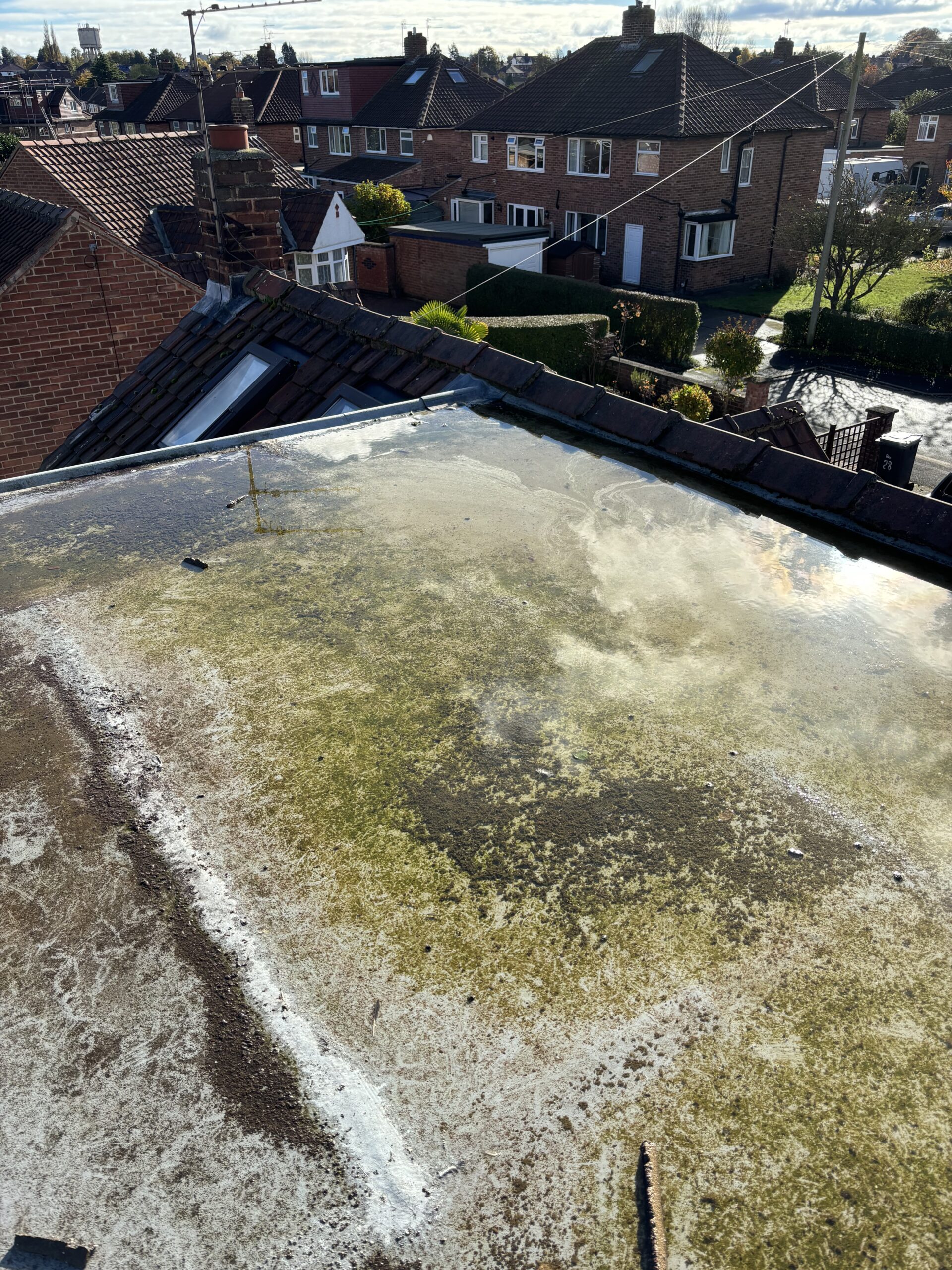
Flat Roof Defects in York | Surveyor Inspection Guide
A surveyor-led guide explaining flat roof defects in York, why membranes fail prematurely, how inspections [...]
02
Mar
Mar
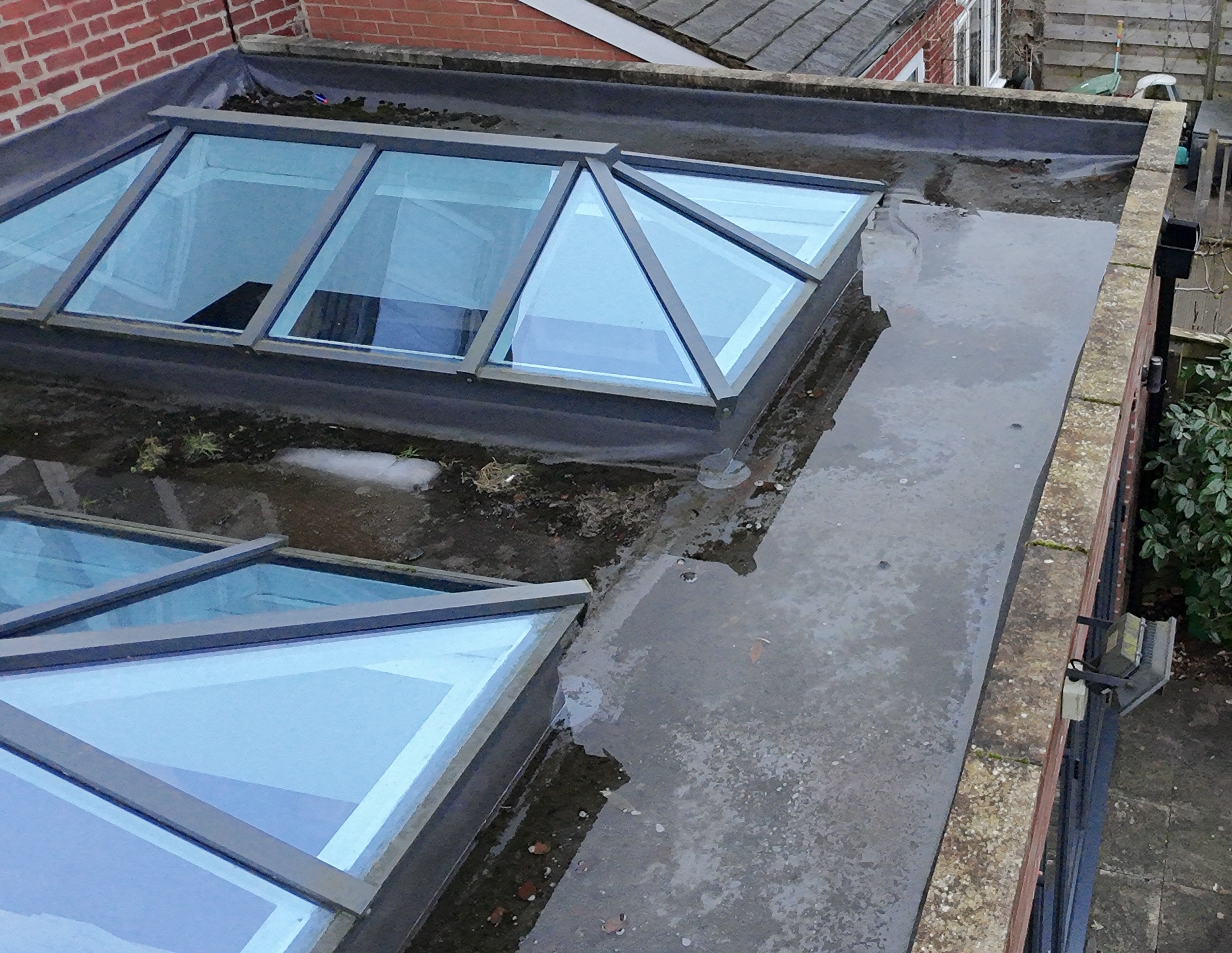
Leaking Roofs in York | Surveyor Inspection Guide
A surveyor-led guide explaining why leaking roofs in York are often misdiagnosed, how water travels [...]
23
Feb
Feb
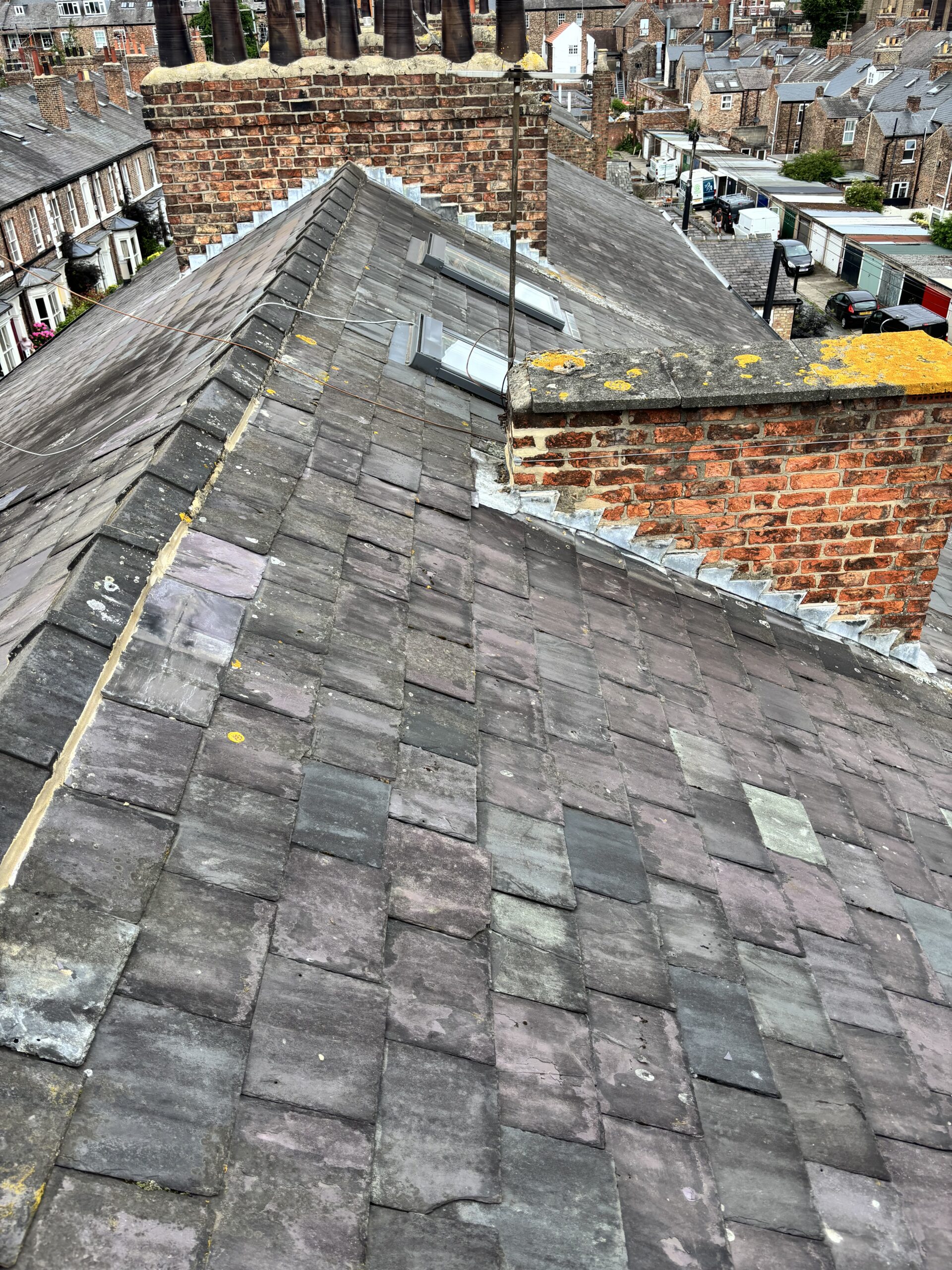
Poor Roof Workmanship in York | Surveyor Inspections
A surveyor-led guide explaining how poor roof workmanship in York is identified, how it differs [...]
02
Feb
Feb
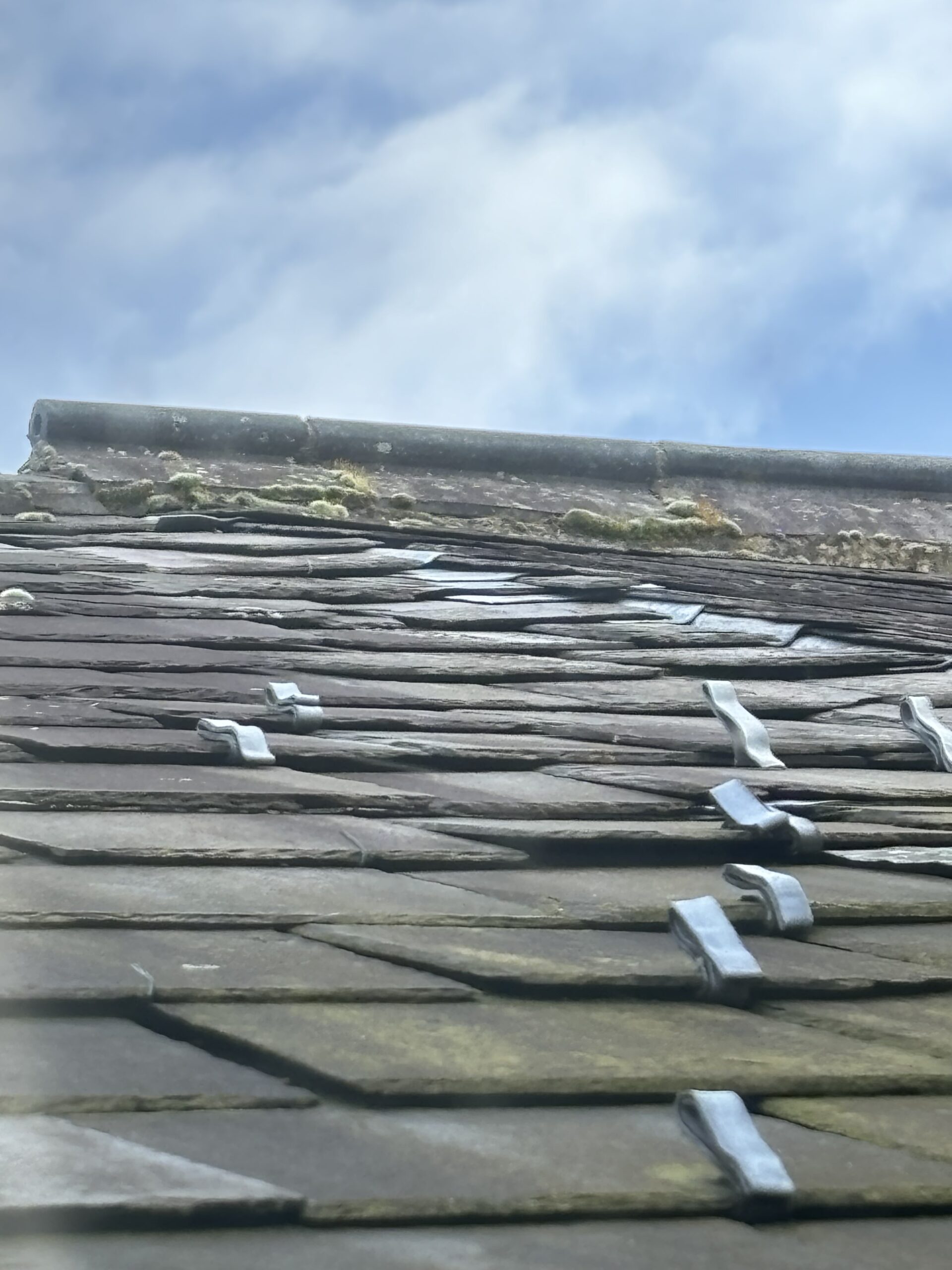
Poor Roofing Work in York | Independent Surveyor Guide
A detailed inspection-led guide explaining how poor roofing work in York is identified, why defects [...]
25
Jan
Jan
Party Wall Survey Guide | Strut
A Party Wall Survey under the Party Wall etc. Act 1996 prevents disputes during boundary [...]
01
Dec
Dec

Listed Building Survey Guide | Strut
A Listed Building Survey provides essential insight for owners and buyers of historic properties. Discover [...]
24
Nov
Nov

Building Safety Act 2022 Guide for Building Owners
A practical Building Safety Act 2022 Guide for domestic and commercial building owners, explaining time [...]
18
Nov
Nov

Snagging Survey Guide for New Builds | Strut
A Snagging Survey ensures your new-build home meets standards before the developer’s warranty expires. Discover [...]
17
Nov
Nov
