water ingress investigation
STRUT BUILDING SURVEYORS

Water Ingress Investigation

Leak Diagnosis & Moisture Pathways

Finding the cause before recommending the cure.

Independent water ingress investigation for roof leaks, damp walls, chimney defects, rainwater failures, building envelope defects, moisture movement and repeated repair failures across Yorkshire and Northern England.

Arrange an Investigation
WATER INGRESS INVESTIGATION

Understanding How Water Enters a Building

Water ingress is one of the most common and misunderstood defects affecting buildings.

Internal staining, dampness, mould growth and visible leaks often appear some distance away from the original point of entry. This makes accurate diagnosis essential before repair works are instructed.

At Strut Building Surveyors, we investigate water ingress using a building pathology approach. We consider roofs, walls, chimneys, rainwater goods, flashings, junctions, internal evidence and likely moisture pathways.

Our role is to identify the most likely cause of water entry, explain why the defect has occurred and provide practical recommendations for repair, further investigation or monitoring.

Clients instruct Strut where the source of water ingress is unclear, where previous repairs have failed or where significant repair costs require independent technical justification.

Get in touch

Water Ingress Investigation | Finding the Source of Leaks and Dampness

What Is Water Ingress?

Water ingress occurs when external moisture enters the building fabric or internal accommodation through a defect in the roof, wall, junction, rainwater system or external envelope.

The visible symptom may be a leak, damp patch, stained ceiling, blistered plaster, mould growth, decayed timber or damaged finishes. However, the visible symptom is rarely the whole problem.

Water can travel within walls, roof voids, cavities, insulation, timber structures and finishes before becoming visible internally. This means the point of appearance is not always the point of entry.

A water ingress investigation is therefore intended to identify the likely source, route and cause of moisture entry before repair decisions are made.

Why Accurate Diagnosis Matters

Many water ingress defects persist because repair work is carried out before the true cause has been established.

Replacing tiles, repointing walls, renewing flashings or sealing surfaces may appear logical, but if the moisture pathway remains unresolved, the defect often returns.

Our role is to investigate the evidence, consider the building as a whole and identify the most likely mechanism of failure.

We inspect the visible symptoms, external fabric, roof areas, rainwater systems, internal finishes and surrounding construction details.

We consider likely moisture sources and pathways, including roofs, walls, chimneys, gutters, flashings, condensation, masonry saturation and defective junctions.

We provide clear written advice that explains the likely cause, practical implications and recommended next steps.

Where required, we support clients with repair scope, specification, tendering, contractor review and project monitoring.

Common Causes of Water Ingress

Water ingress can originate from a wide range of defects. Often, more than one issue is contributing to the problem.

Strut is regularly instructed where the cause is unclear, where previous repairs have failed or where there is disagreement between contractors, insurers or property owners.

Our reports are designed to reduce uncertainty and help clients make informed repair decisions based on evidence rather than assumption.

Water Ingress Investigation Adds Value When

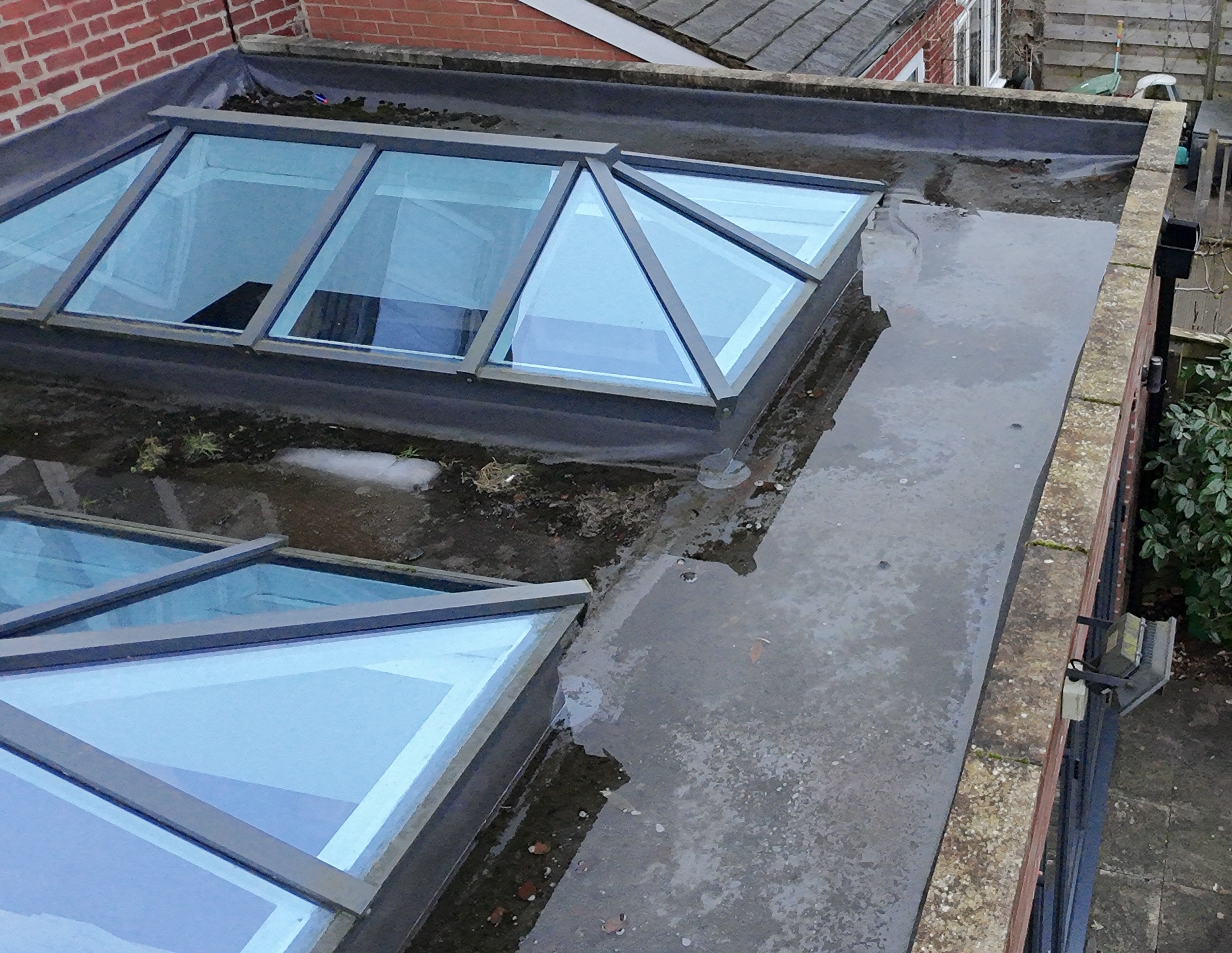
We assess roof coverings, underlays, valleys, ridges, verges, abutments, flat roofs, rooflights and internal evidence of water tracking.

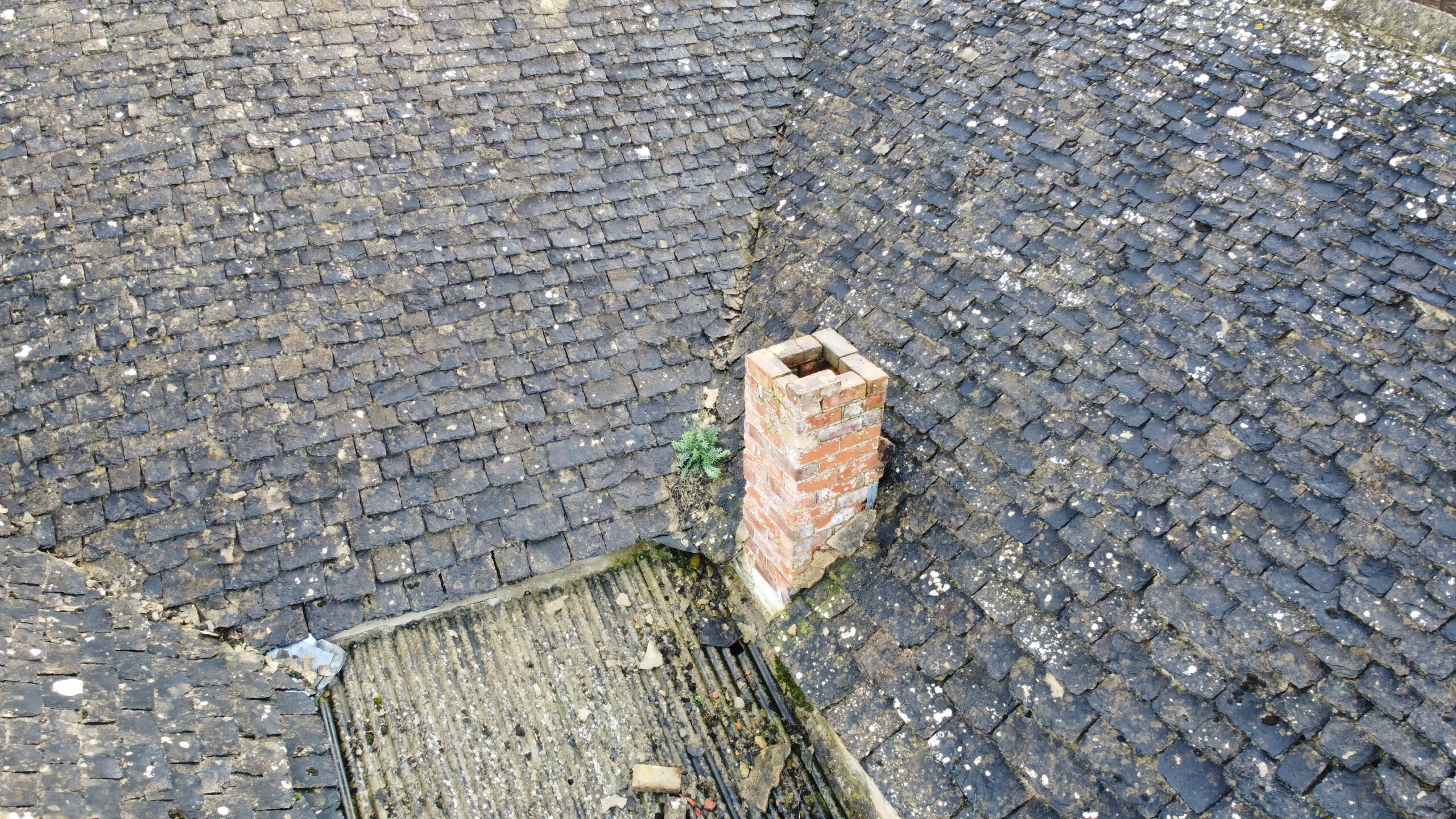
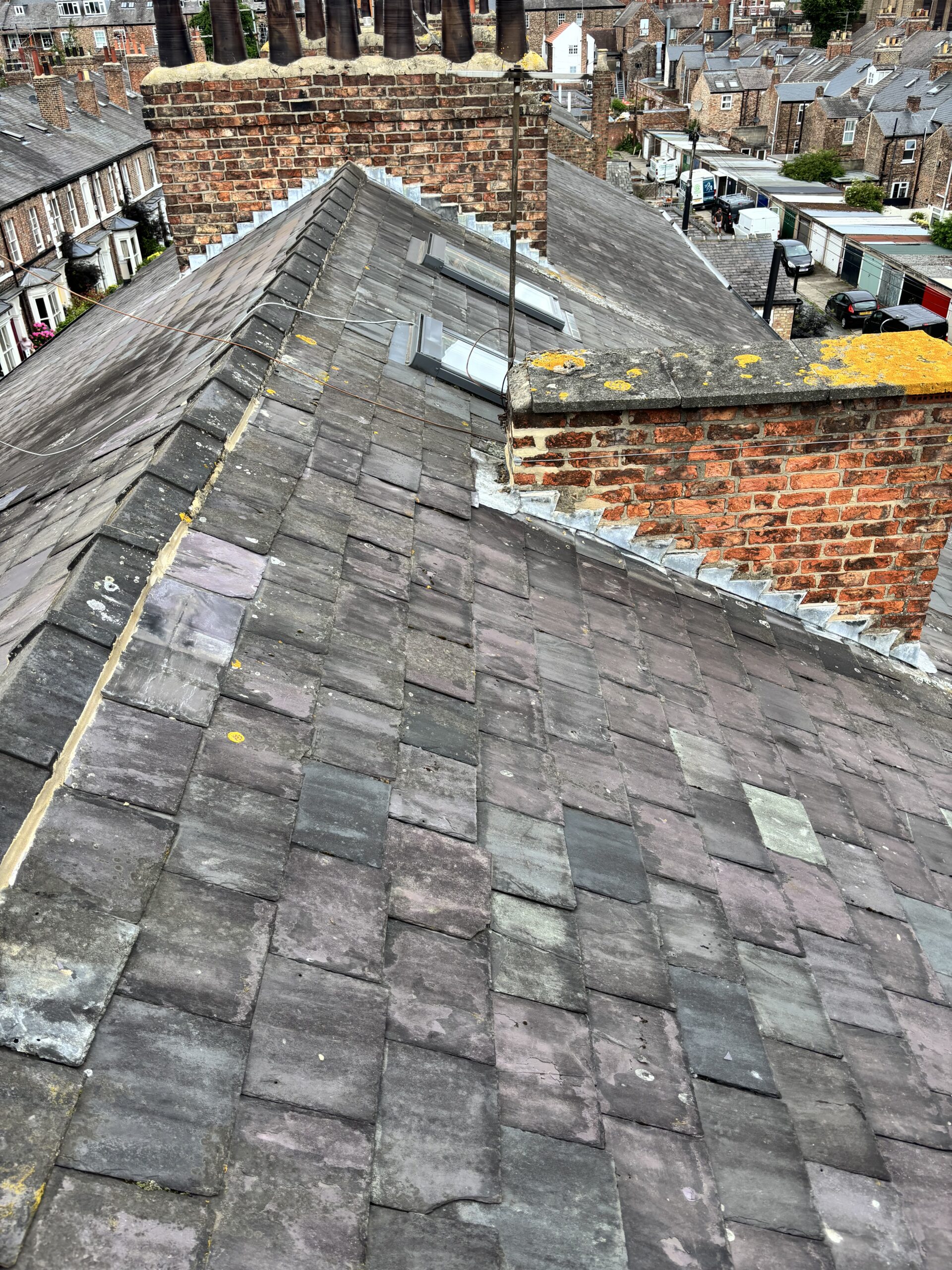
Chimneys are common sources of water ingress. We consider flashings, flaunching, pointing, pots, terminals, masonry saturation and water paths around the stack.

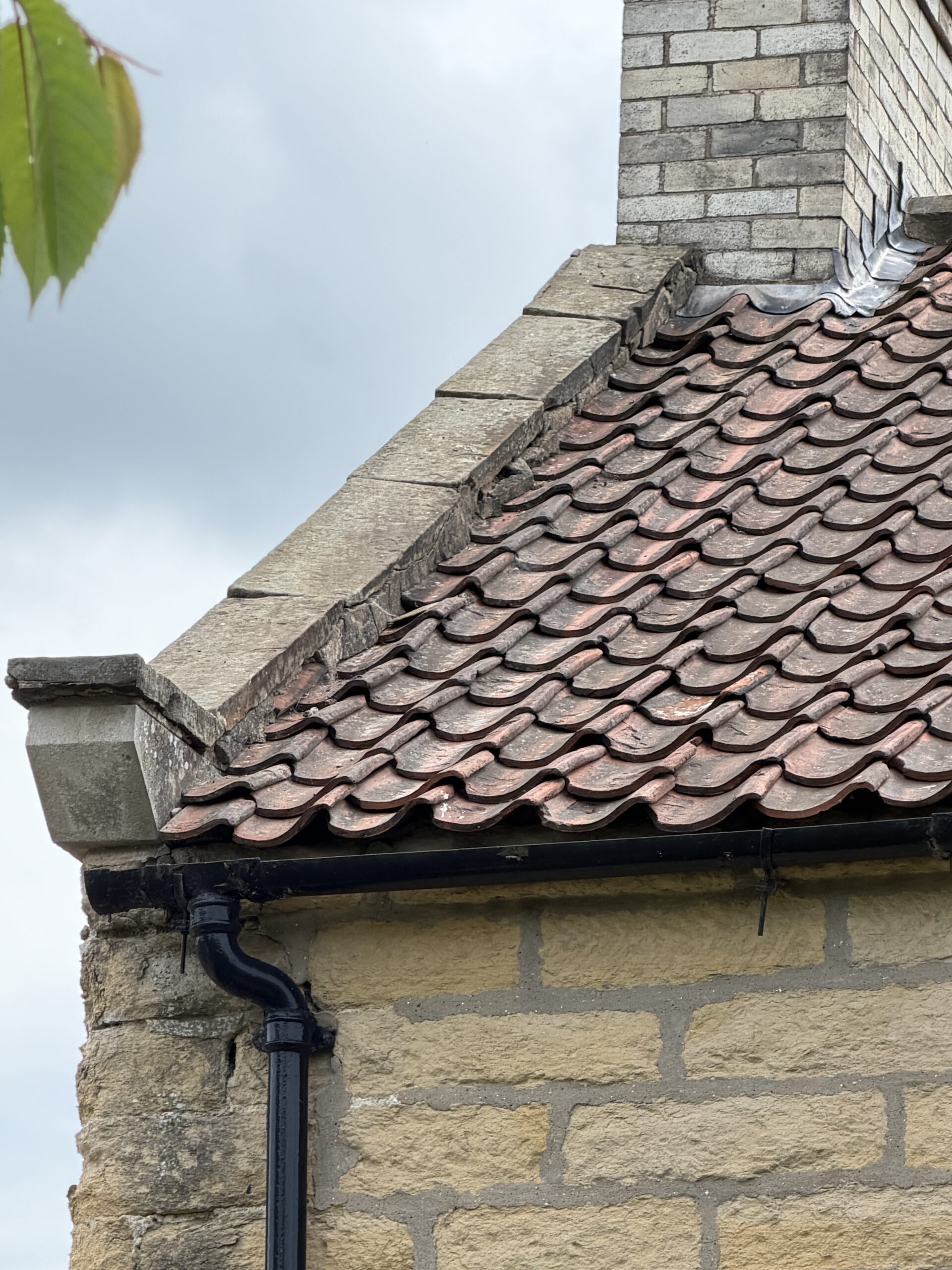
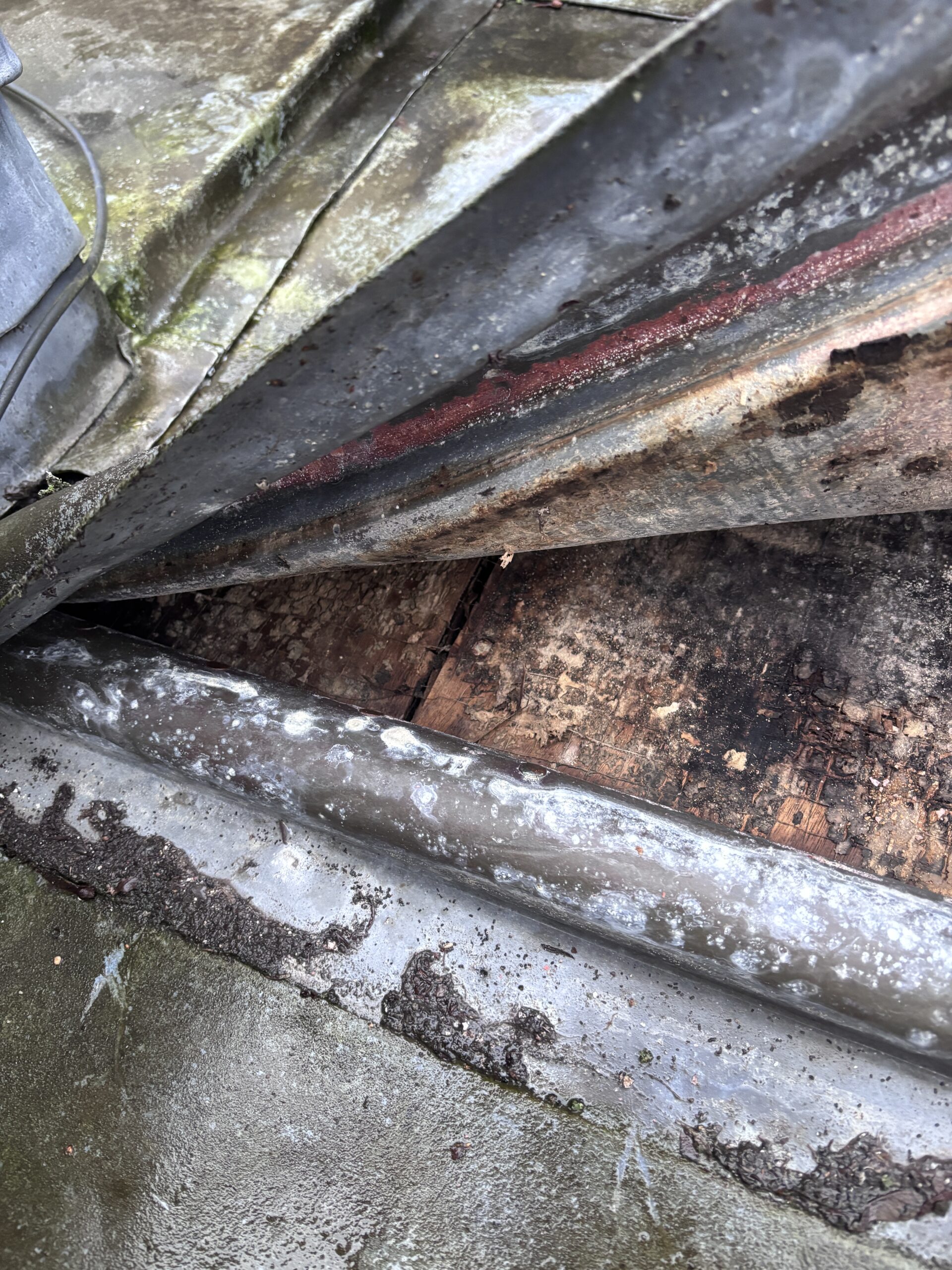
Failed leadwork, poor step flashings, inadequate cover, thermal movement cracks and defective abutments can all allow water to enter the building fabric.

Blocked gutters, undersized outlets, leaking joints, poor falls and defective downpipes can discharge water onto vulnerable building fabric.

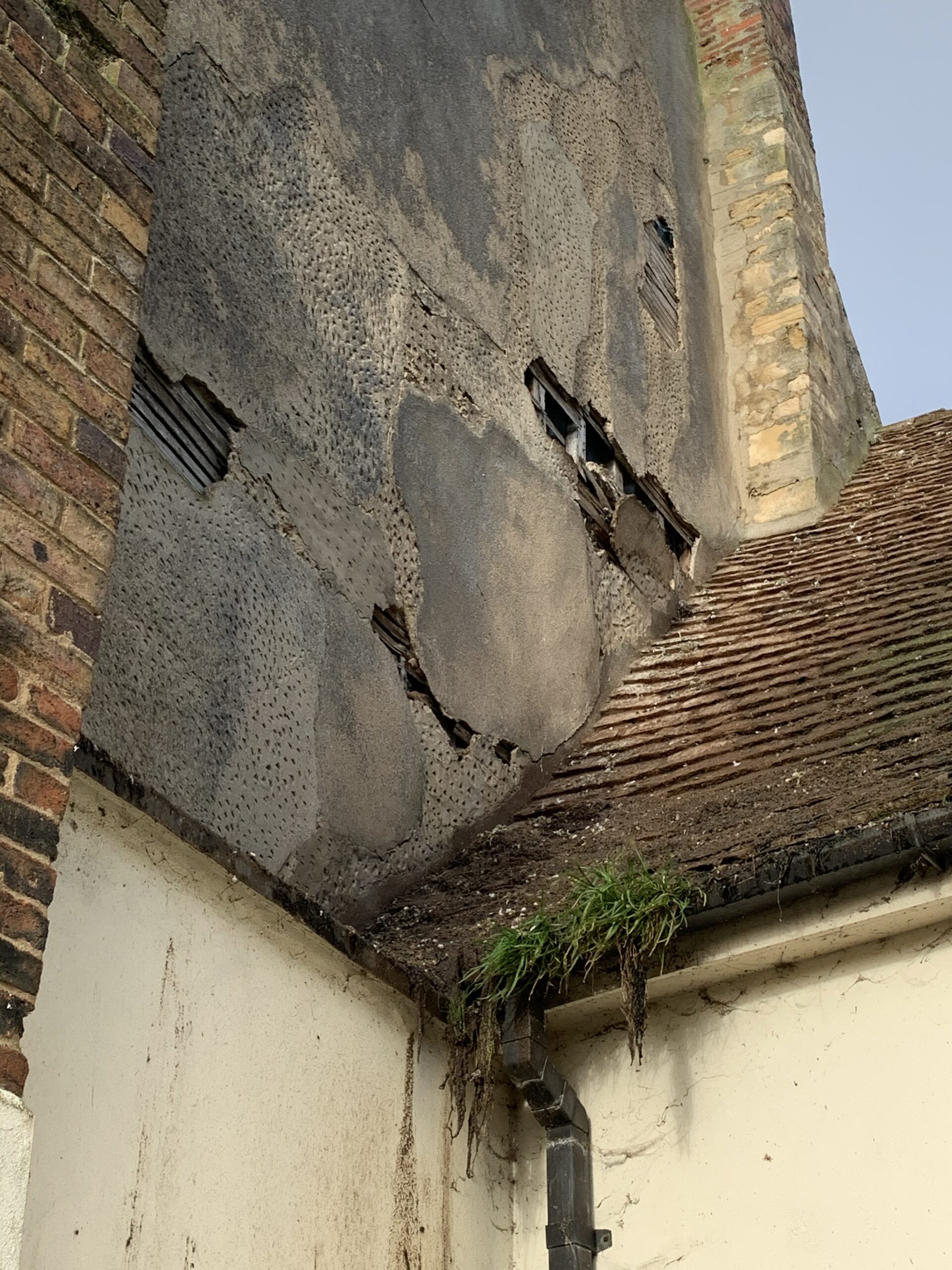
Masonry defects, cracked render, failed pointing, porous materials and poor detailing around openings can all contribute to water ingress.

Internal moisture, condensation, poor ventilation and thermal bridging can sometimes mimic external water ingress. We consider both internal and external moisture sources.

Where earlier repairs have not resolved the issue, we review whether the original diagnosis was correct and whether wider building defects remain unresolved.

Roof Leaks

Investigation of roof coverings, flashings, valleys, chimneys, flat roofs and rainwater interfaces.

Building Envelope

Assessment of walls, render, masonry, cladding, junctions and external fabric performance.

Building Pathology

Understanding moisture pathways, material behaviour, defect causes and long-term building performance.

Our Water Ingress Investigation Process

Our water ingress investigations are structured to help clients move from uncertainty to evidence-led repair decisions.

Inspect

We inspect the affected internal areas, external fabric, roofs, walls, chimneys, rainwater goods and likely moisture entry points.

Interpret

We interpret moisture patterns, staining, construction details, weather exposure, material condition and possible water routes.

Report

We provide clear written findings, photographs, likely causes, practical recommendations and further investigation advice where required.

Prioritise

We help clients understand which defects require immediate action and which can be managed through planned repair or monitoring.

Specify

Where required, we prepare repair scopes, schedules of work and technical specifications suitable for contractor pricing.

Support

We can assist with tender review, contractor briefing, progress inspections and completion review where further support is required.

Roof-Related Water Ingress

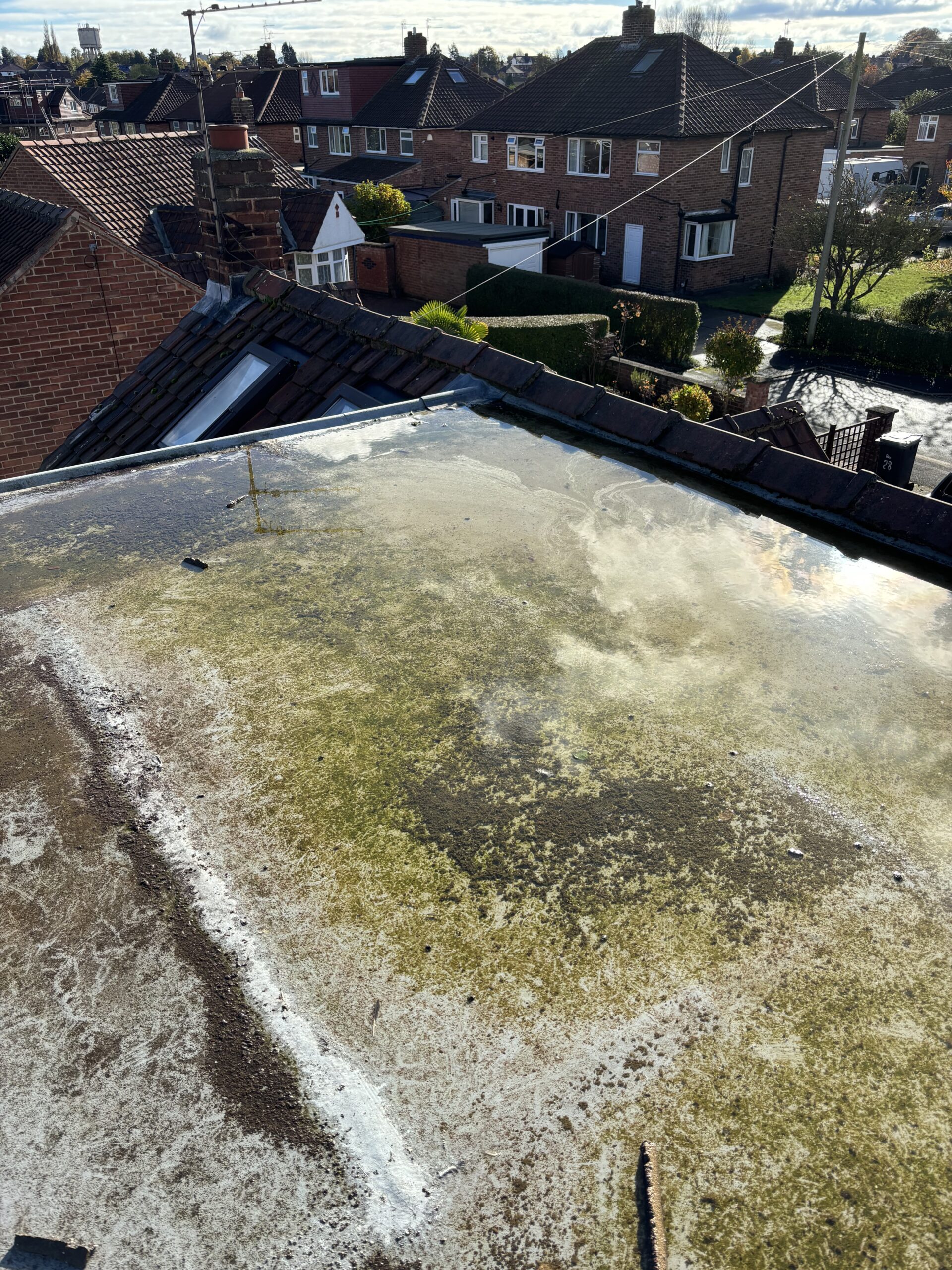
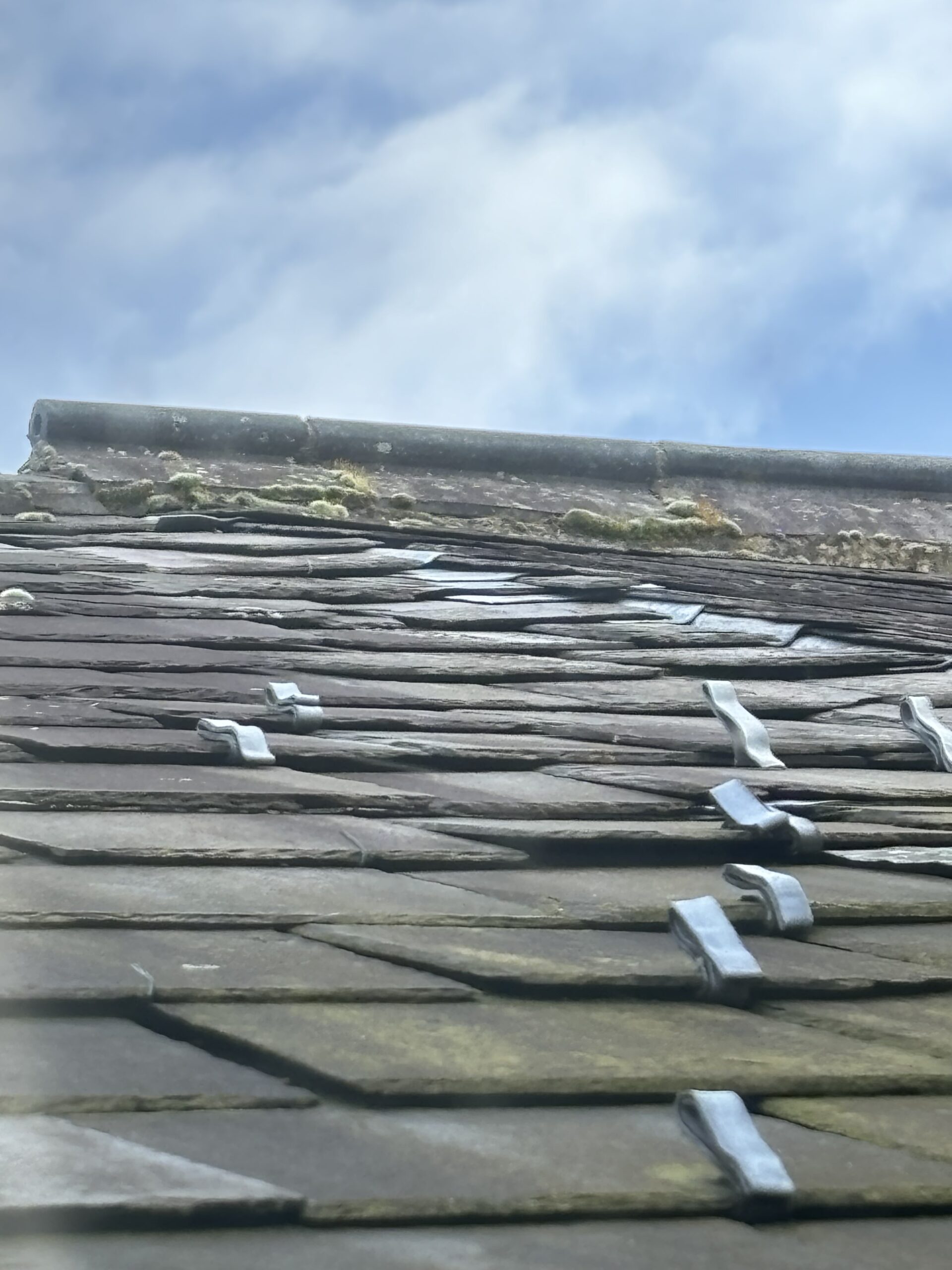
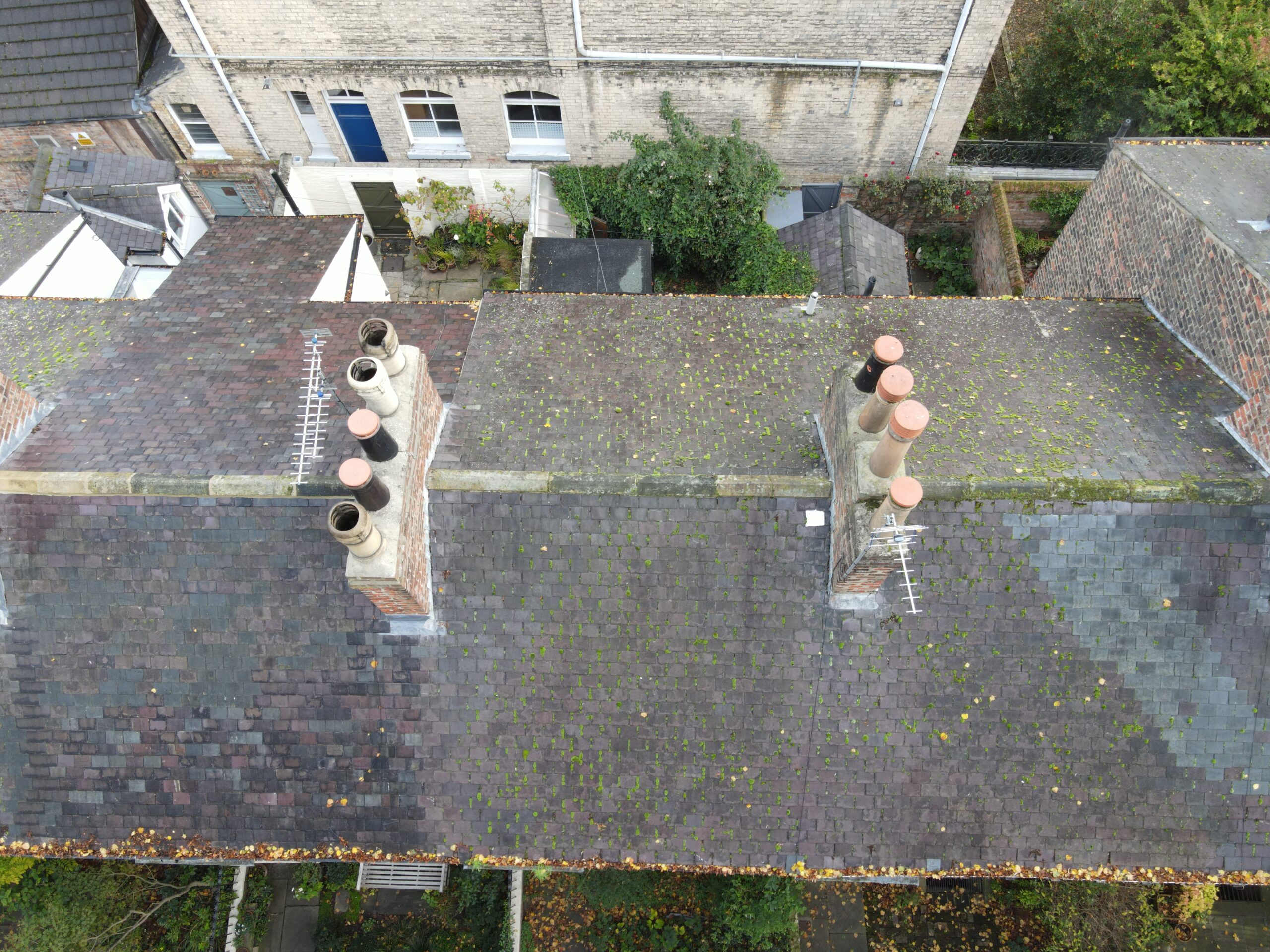
Many water ingress investigations begin at roof level. Defective coverings, failed leadwork, chimney defects, blocked gutters, poorly detailed abutments and flat roof failures can all allow water into the building.

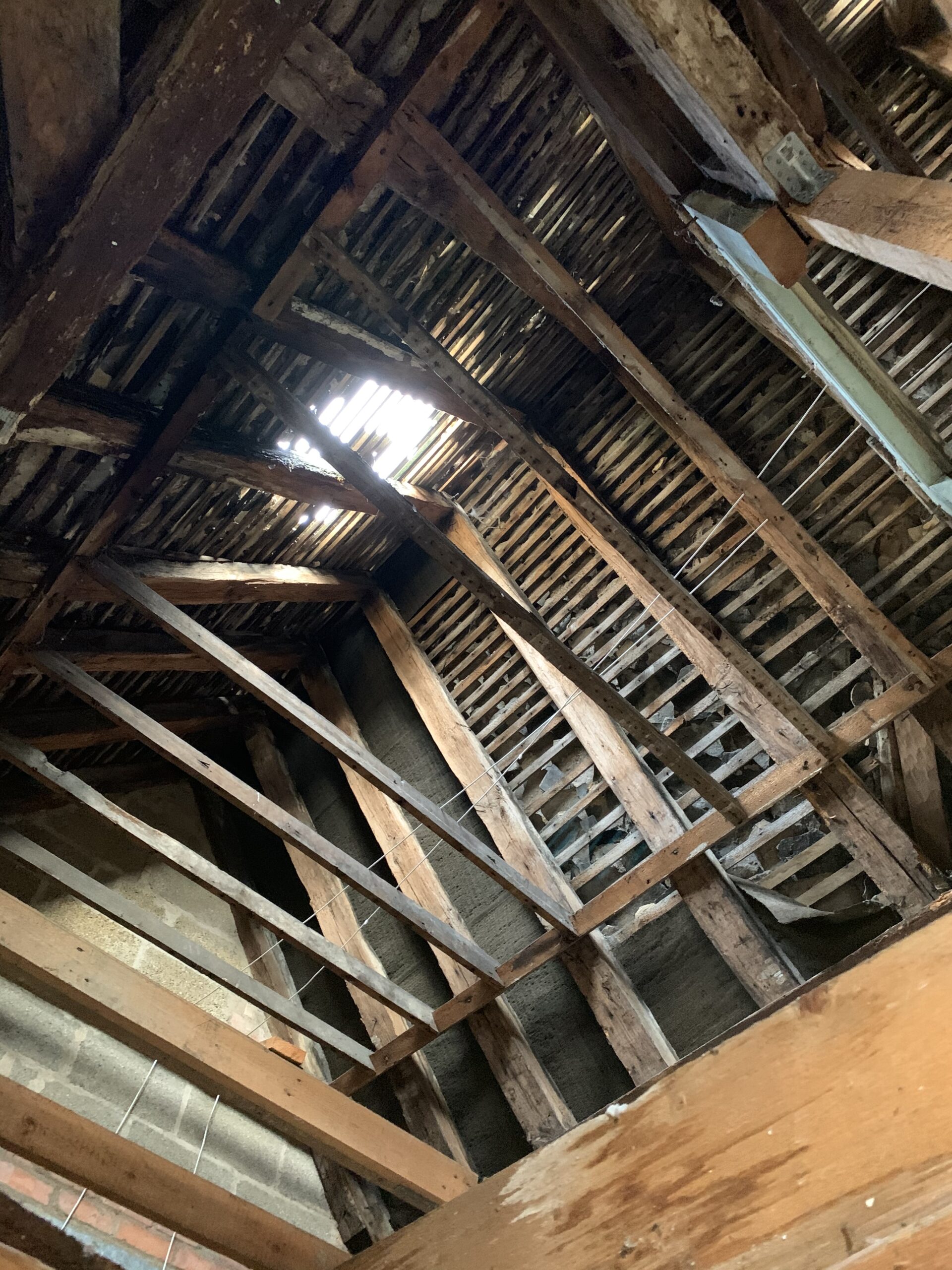
Roof leaks can be difficult to diagnose because water may travel along underlays, timbers, insulation, cavities and finishes before becoming visible internally.

Our roofing expertise allows us to assess the roof as a system, considering coverings, flashings, ventilation, rainwater disposal and hidden moisture pathways.

Wall, Masonry and Envelope Defects

Water ingress may also occur through walls, render, masonry joints, window interfaces, parapets, cladding systems or other building envelope defects.

Solid wall buildings, heritage properties and exposed elevations often require careful investigation because moisture movement can be affected by historic materials, previous repairs and the breathability of the construction.

Where appropriate, we consider the wider building envelope rather than focusing only on one isolated defect.

Condensation or Water Ingress?

Not all moisture defects are caused by external water entry. Condensation, poor ventilation, thermal bridging, air leakage and internal moisture generation can create staining, mould and dampness that may be mistaken for water ingress.

A proper investigation should consider both external and internal moisture sources before recommending repairs.

Where condensation risk is significant, further monitoring, moisture testing, borescope inspection or opening-up may be recommended.

Repeated Repair Failures

Repeated water ingress repairs often fail because the visible symptom has been treated without resolving the underlying cause.

Examples include repointing without addressing roof drainage, renewing flashings without correcting masonry saturation, sealing surfaces without considering trapped moisture, or replacing roof coverings where condensation is the actual issue.

Strut helps clients step back from repeated repair cycles and assess the defect through evidence-led building pathology.

Water Ingress Investigation Across Yorkshire & Northern England

Based in York, Strut Building Surveyors provides water ingress investigation, leak diagnosis and building pathology advice across Yorkshire and Northern England.

We are regularly instructed by homeowners, commercial property owners, buyers, managing agents, developers, schools, estates and professional advisers where moisture defects require careful technical investigation.

If you need to understand why a building is leaking, showing damp staining, retaining moisture or suffering repeated repair failures, Strut can provide independent water ingress investigation before repair decisions are made.

Request Water Ingress Advice
Fabric Background Overlay Image
STRUT BUILDING SURVEYORS

Water Ingress Investigation

Strut Building Surveyors investigates water ingress, diagnoses likely causes and provides clear recommendations for repair, further investigation or project support.

From roof leaks and defective leadwork to chimney failures, masonry defects, condensation risk and repeated repair failures, our water ingress investigation advice is designed to help clients make informed decisions.

Based in York, we work across Yorkshire and Northern England for homeowners, commercial clients, property investors, schools, managing agents and building owners.

Get in Touch
Strut Surveyors - York Surveyors
office@strutsurveyors.com

All rights reserved

Flat Roof Defects in York | Surveyor Inspection Guide

A surveyor-led guide explaining flat roof defects in York, why membranes fail prematurely, how inspections [...]

Leaking Roofs in York | Surveyor Inspection Guide

A surveyor-led guide explaining why leaking roofs in York are often misdiagnosed, how water travels [...]

Poor Roof Workmanship in York | Surveyor Inspections

A surveyor-led guide explaining how poor roof workmanship in York is identified, how it differs [...]

Poor Roofing Work in York | Independent Surveyor Guide

A detailed inspection-led guide explaining how poor roofing work in York is identified, why defects [...]

Party Wall Survey Guide | Strut

A Party Wall Survey under the Party Wall etc. Act 1996 prevents disputes during boundary [...]

Listed Building Survey Guide | Strut

A Listed Building Survey provides essential insight for owners and buyers of historic properties. Discover [...]

Building Safety Act 2022 Guide for Building Owners

A practical Building Safety Act 2022 Guide for domestic and commercial building owners, explaining time [...]

Snagging Survey Guide for New Builds | Strut

A Snagging Survey ensures your new-build home meets standards before the developer’s warranty expires. Discover [...]