why strut
STRUT BUILDING SURVEYORS

Heritage Building Pathology

Traditional Building Defects & Moisture Behaviour

Understanding historic buildings before repair decisions are made.

Independent heritage building pathology for listed buildings, traditional construction, lime-based materials, historic roof structures, moisture behaviour and defects caused by inappropriate modern repairs.

Arrange a Heritage Consultation
HERITAGE BUILDING PATHOLOGY

Understanding Traditional Buildings

Traditional and listed buildings do not behave in the same way as modern construction.

Heritage building pathology focuses on understanding how historic buildings deteriorate, how moisture moves through traditional fabric and why defects develop over time.

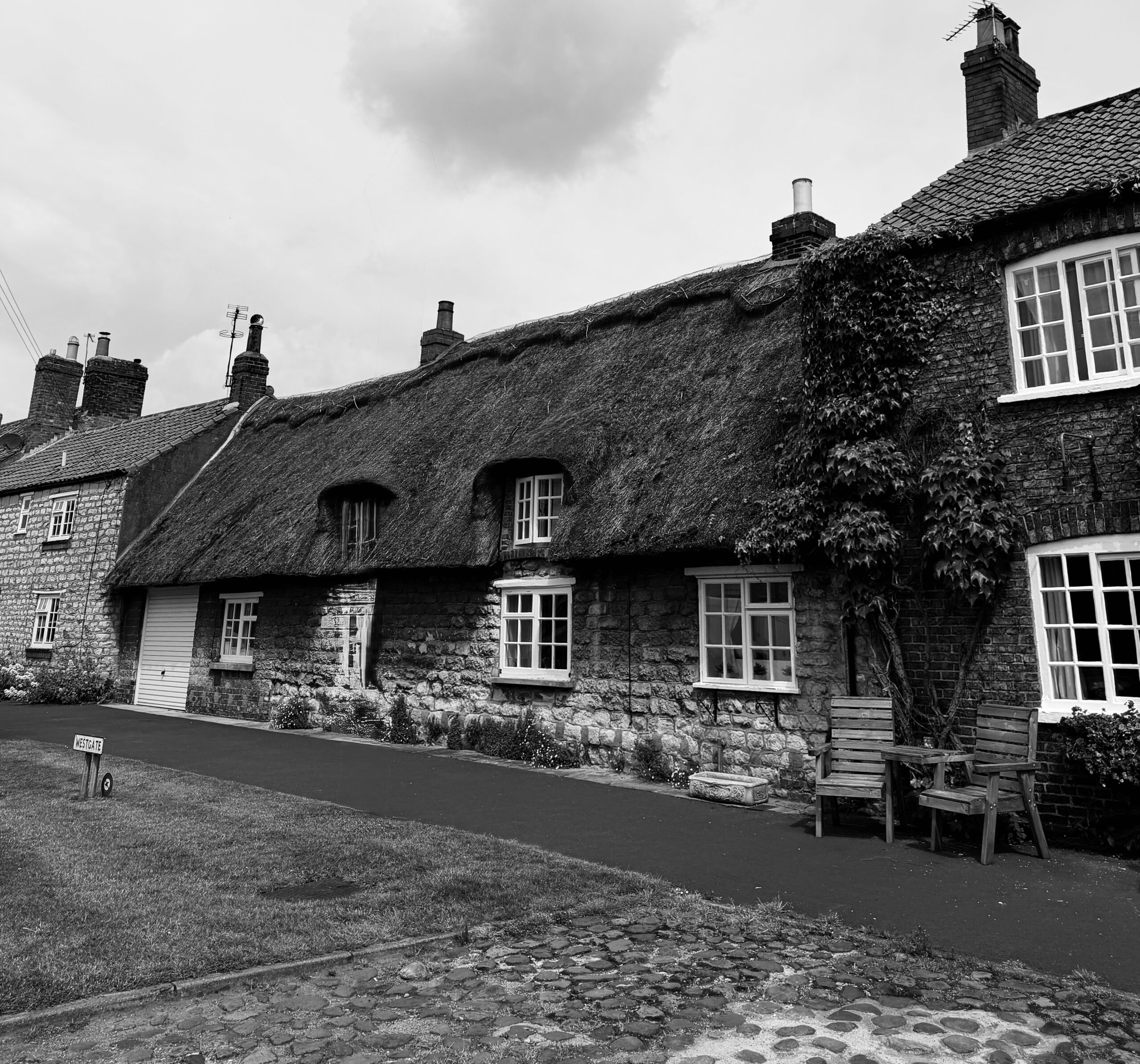
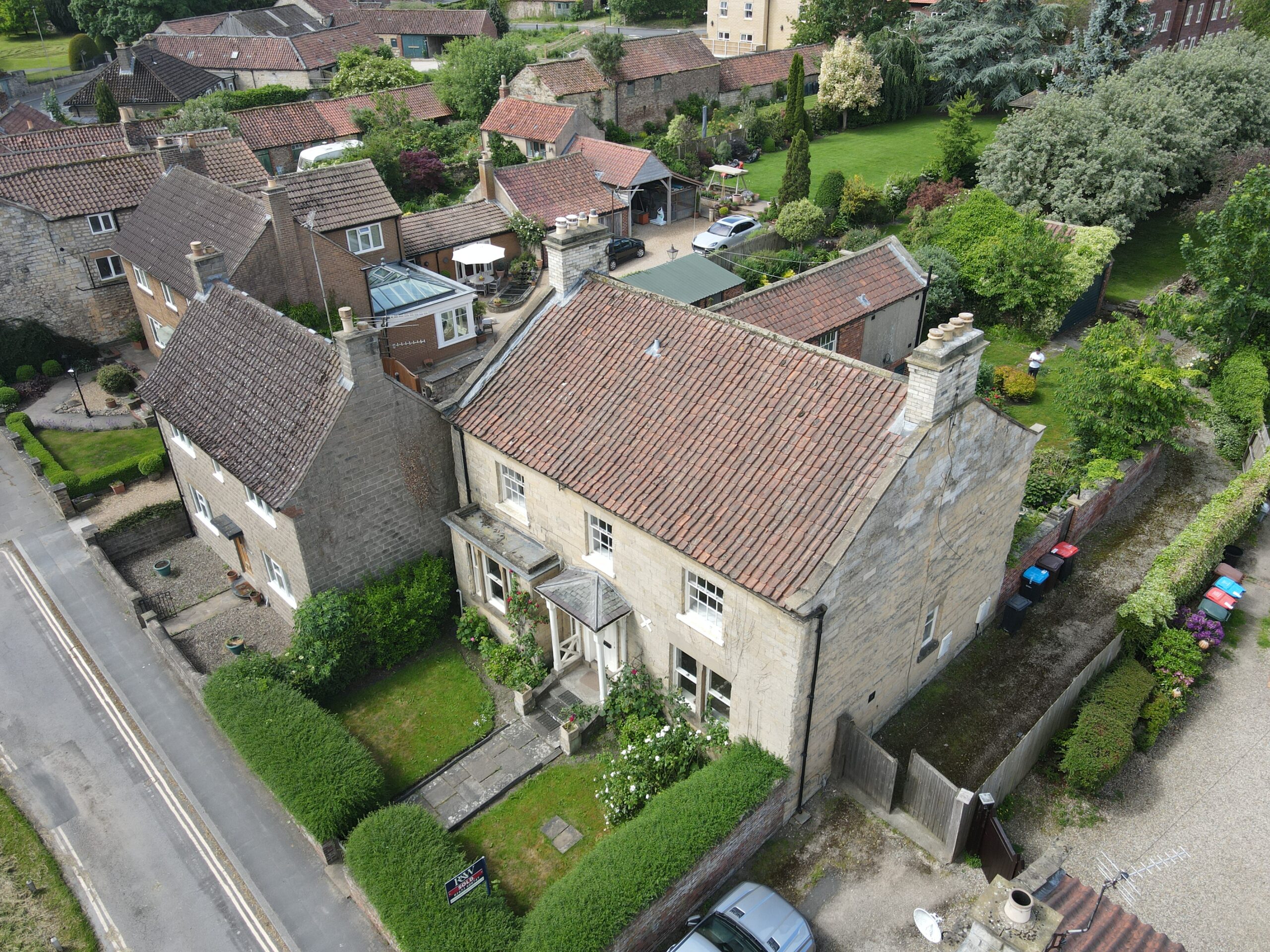
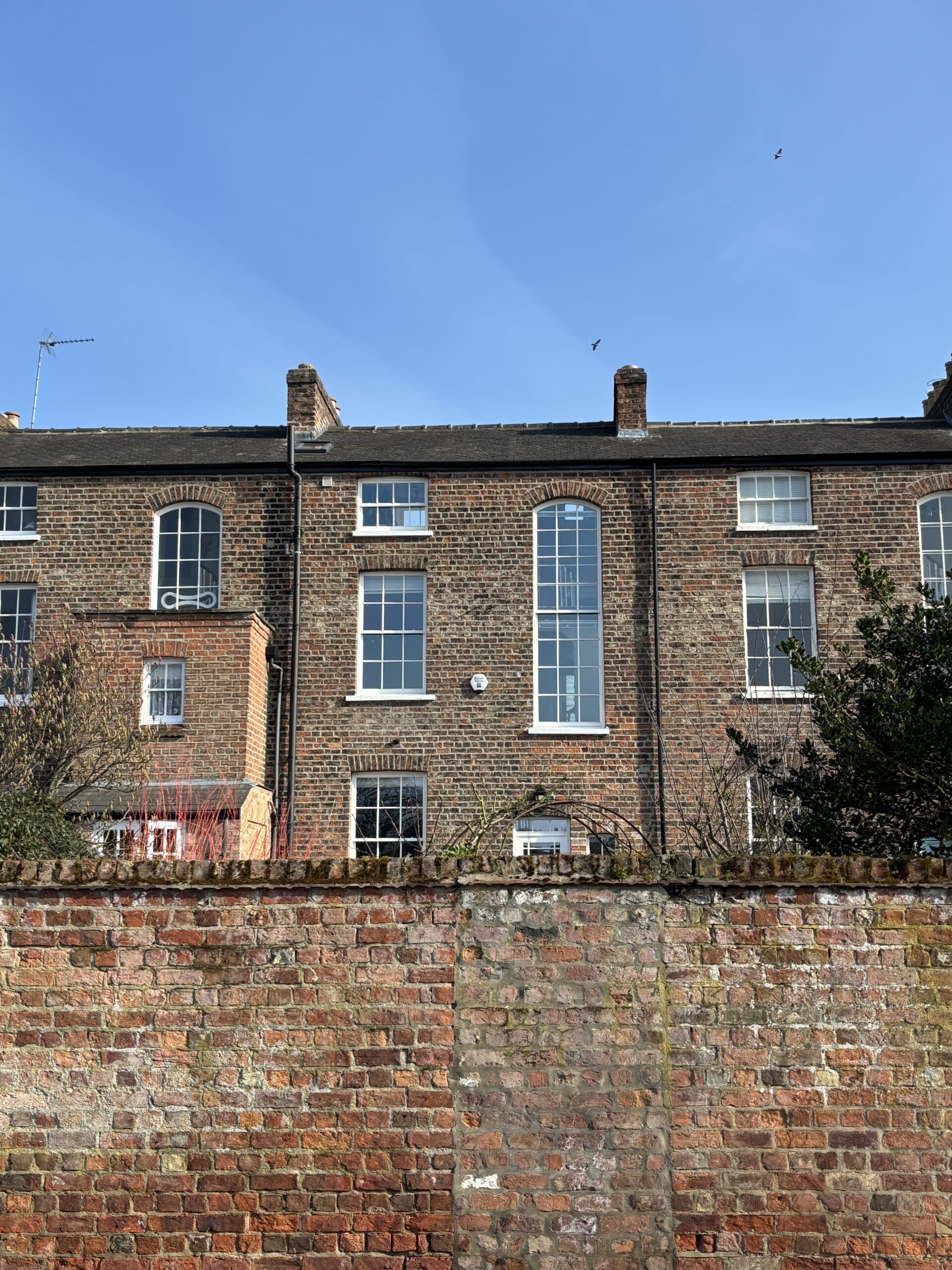
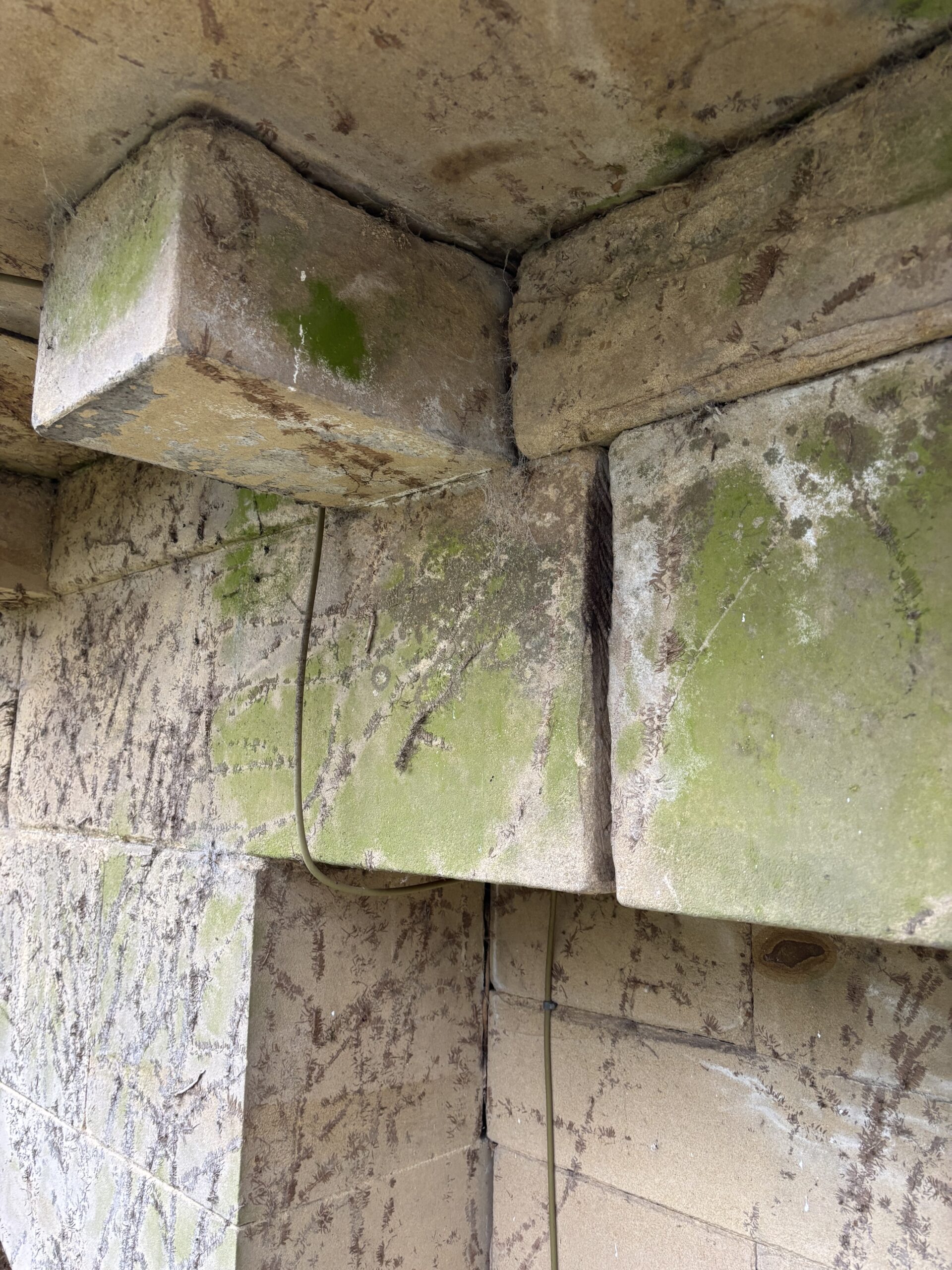
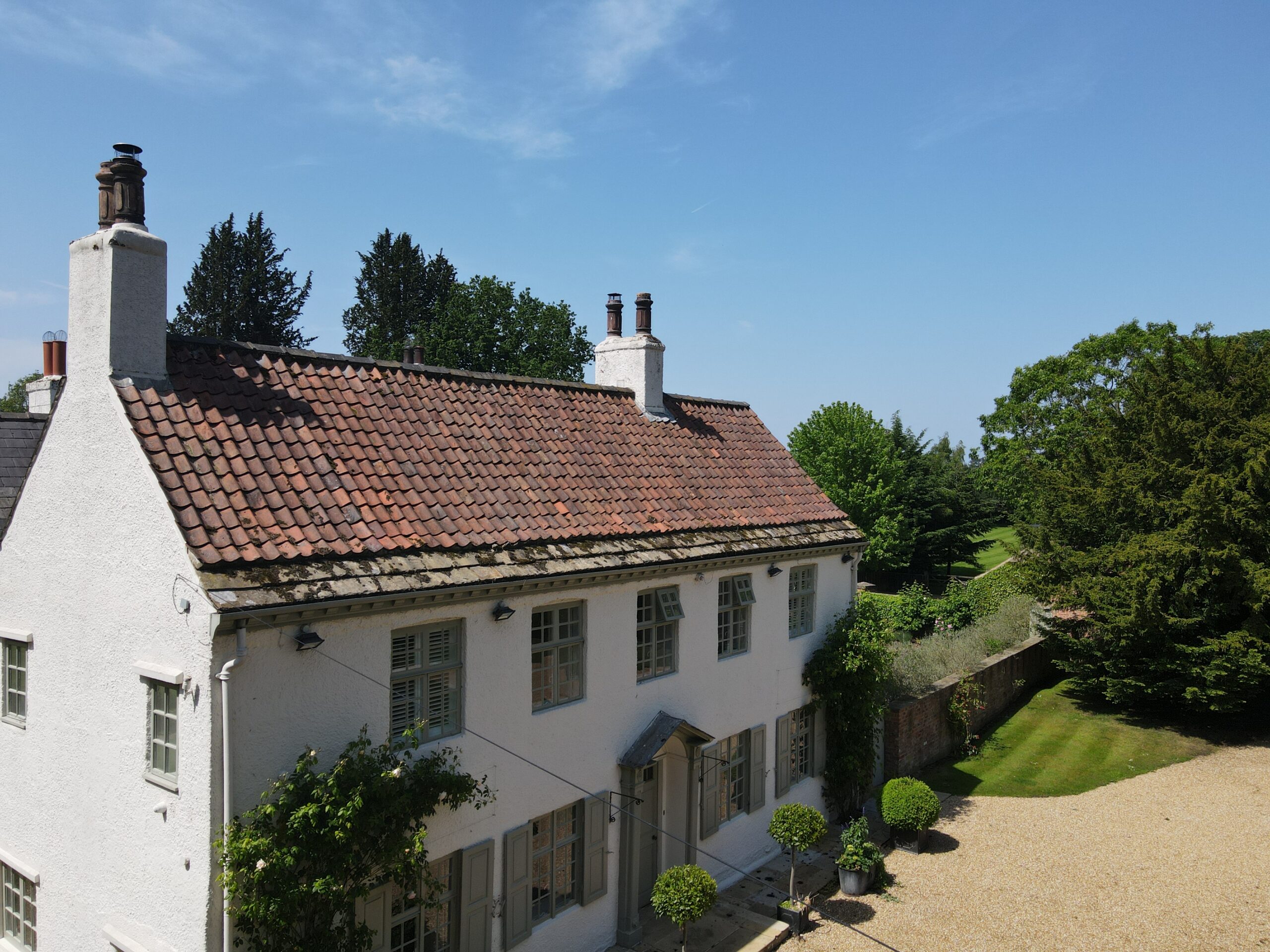
At Strut Building Surveyors, we investigate listed buildings, traditional roofs, lime-based construction, historic timber structures, solid walls, chimneys, leadwork, dampness, decay and inappropriate modern repairs.

Our role is to identify whether a defect is caused by age, weathering, material decay, poor maintenance, unsuitable repair methods or changes that have disrupted the way the building was intended to perform.

Clients requiring a wider assessment of a historic property may also wish to consider our Listed Building Survey service.

Get in touch

Listed Buildings

Specialist surveying advice for historic and listed buildings, traditional fabric and conservation-led repair.

Moisture Behaviour

Understanding dampness, condensation, vapour movement and moisture balance in older buildings.

Historic Roofs

Investigation of traditional roof structures, coverings, chimneys, leadwork and moisture-related roof defects.

Heritage Building Pathology | Traditional Building Defects & Repair Risk

What Is Heritage Building Pathology?

Heritage building pathology is the investigation of defects, deterioration and performance issues affecting historic and traditional buildings.

Unlike modern construction, traditional buildings often rely on vapour-open materials, natural ventilation, solid wall construction and the ability of the fabric to absorb and release moisture over time.

Defects may arise when this balance is disrupted by age, weathering, poor maintenance, incompatible materials or inappropriate modern repairs.

At Strut Building Surveyors, our heritage building pathology work considers how traditional materials, historic construction methods, moisture behaviour, roof structures, chimneys, leadwork and repair history interact.

Why Traditional Buildings Behave Differently

Older buildings were not generally designed around modern cavity walls, impermeable barriers or highly controlled internal environments.

They often depend upon breathability, evaporation and compatible materials. When modern repairs trap moisture or prevent evaporation, decay and deterioration can accelerate.

Understanding this behaviour is essential before specifying repairs to listed buildings, period homes, historic roofs or traditional masonry structures.

We inspect visible defects, historic fabric, roof structures, walls, chimneys, rainwater goods, internal finishes and evidence of previous repair.

We consider likely causes, including moisture behaviour, material incompatibility, inappropriate repairs, weathering, workmanship, maintenance and building use.

We provide clear written advice explaining what appears to be happening, why it matters and what repair principles should be considered.

Where required, we support clients with repair scope, conservation-led specification, contractor advice, tendering and project monitoring.

Common Heritage Building Defects

Strut is instructed where historic buildings require more than a standard survey. Many heritage defects are caused not by age alone, but by incompatible repairs, trapped moisture, poor detailing or failure to understand traditional construction.

Our reports are designed to reduce uncertainty and help owners, purchasers and custodians make informed decisions about repair, maintenance and long-term stewardship.

Heritage building pathology is particularly valuable where inappropriate modern repairs have concealed or accelerated deterioration.

Heritage Building Pathology Adds Value When

We assess how moisture moves through traditional fabric, including solid walls, lime mortars, timber structures, roof voids and historic finishes.

We consider lime mortars, lime plasters, vapour permeability, breathability and the importance of compatible repair materials.

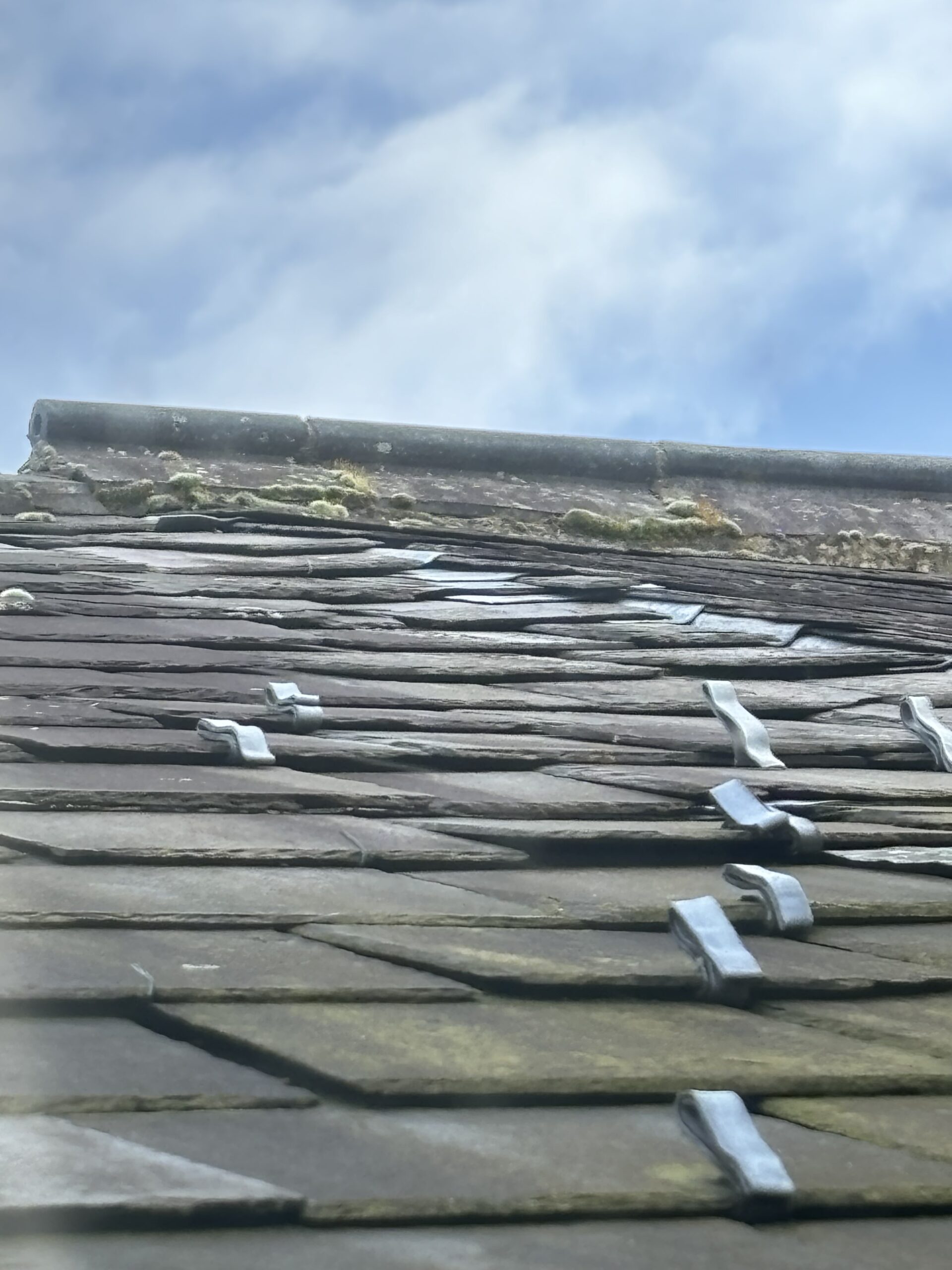
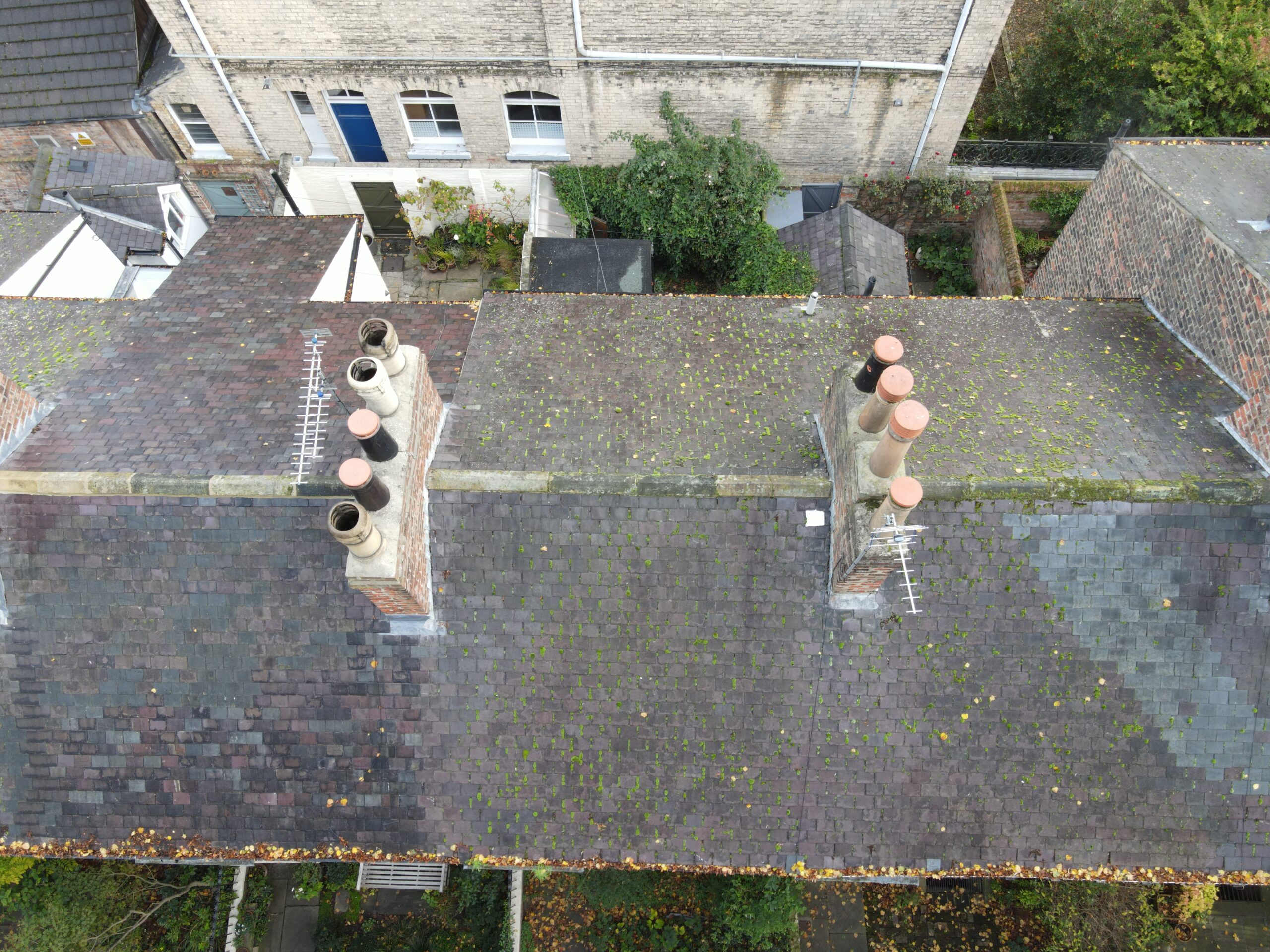
We investigate traditional roof structures, slate and tile coverings, leadwork, chimneys, ventilation, timber decay and roof-related water ingress.

Cement pointing, cement render, impermeable paints, waterproof coatings, inappropriate insulation and sealed finishes can trap moisture and accelerate decay.

We help clients consider repair before replacement, minimum intervention, retention of historic fabric and practical conservation-led repair strategies.

We investigate roof leaks, chimney defects, rainwater failures, leadwork deterioration and moisture pathways through traditional construction.

We help purchasers understand heritage repair liabilities, future maintenance requirements and risks before committing to acquisition.

Our Heritage Building Pathology Process

Our heritage investigations are structured to help clients understand traditional buildings before repair decisions are made.

Inspect

We inspect historic fabric, roofs, chimneys, walls, rainwater systems, internal symptoms, previous repairs and areas of deterioration.

Interpret

We interpret defects in the context of traditional construction, moisture behaviour, materials, exposure, repair history and building use.

Report

We provide clear written findings, photographs, likely causes, repair principles and practical recommendations for next steps.

Prioritise

We help clients understand urgent defects, developing risks, maintenance needs and longer-term fabric stewardship priorities.

Specify

Where required, we prepare conservation-led repair scopes, schedules of work and technical specifications suitable for contractor pricing.

Support

We can assist with contractor briefing, tender review, progress inspections and completion review where further support is required.

Moisture in Historic Buildings

Moisture is central to many heritage building defects. Traditional buildings frequently absorb, buffer and release moisture through lime mortars, solid walls, timber structures and vapour-open finishes.

Problems can develop when moisture is trapped by cement repairs, impermeable coatings, modern insulation or poor ventilation.

A heritage building pathology investigation considers whether dampness is caused by external water ingress, condensation, trapped moisture, inappropriate repairs or a combination of factors.

Lime Construction and Breathability

Lime mortars, lime plasters and breathable finishes are often central to the performance of older buildings. These materials allow moisture movement and evaporation in a way that differs from modern cement-based materials.

Inappropriate cement pointing, cement render, gypsum plaster, sealed paints or waterproof coatings can restrict evaporation and contribute to dampness, salt damage and decay.

Our advice considers material compatibility and whether repairs should support the original moisture behaviour of the building.

Historic Roof Structures and Leadwork

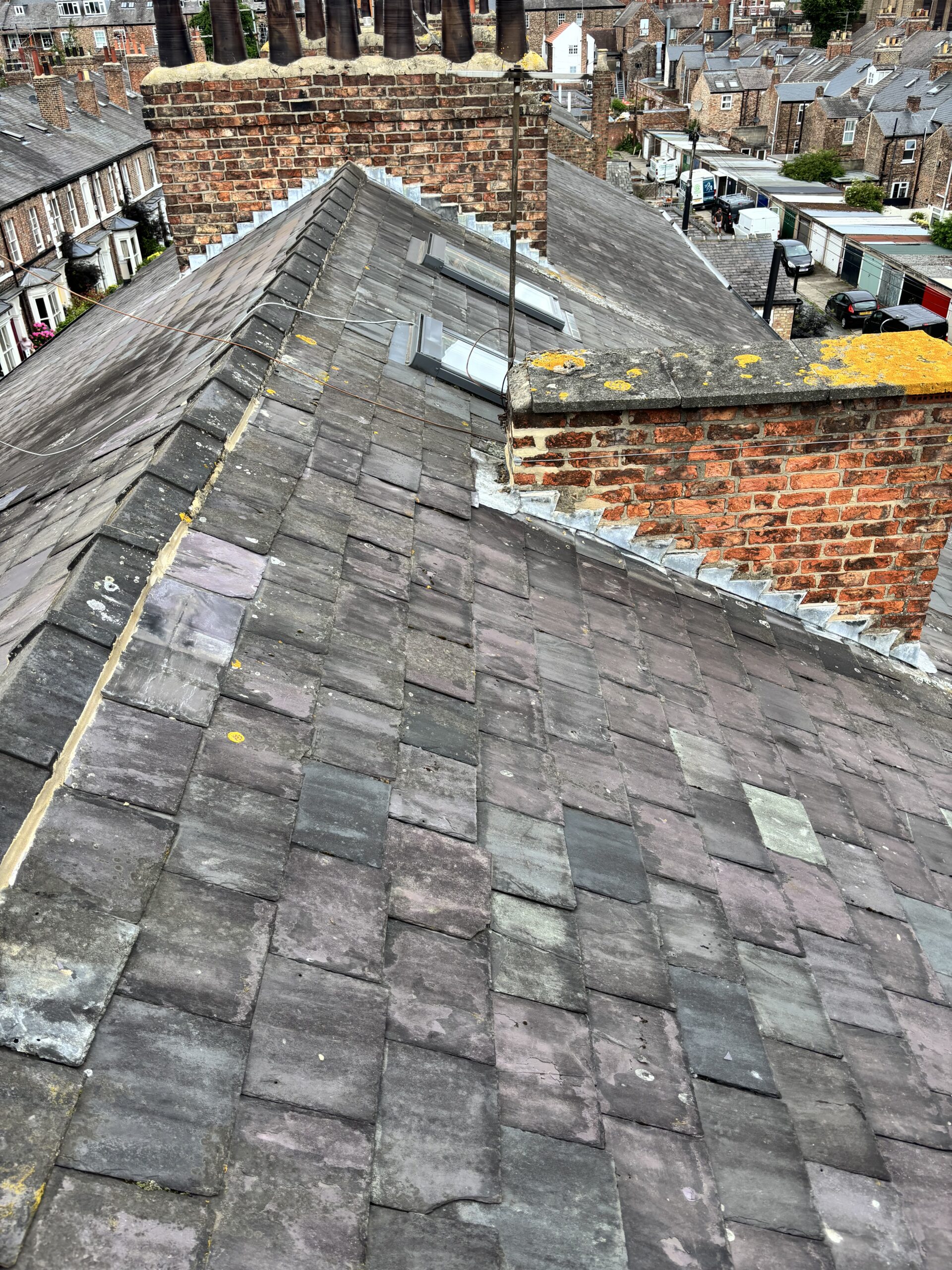
Roofs are often the most vulnerable part of a heritage building. Traditional roof structures, slate coverings, pantiles, stone slates, chimneys, valleys, gutters and leadwork details all play a critical role in managing water.

Historic buildings frequently rely upon lead weatherings, flashings, gutters and parapet details to protect vulnerable junctions. Failure of these components can result in significant fabric deterioration.

Where specialist repair is required, listed building leadwork techniques may be needed to repair or replace traditional details correctly.

Inappropriate Modern Repairs

Many defects in historic buildings are caused by previous repair attempts rather than the original construction itself.

Common issues include cement repointing, cement flashings, impermeable paints, waterproof coatings, inappropriate insulation, poor replacement windows, incompatible roof repairs and sealed internal finishes.

These interventions can prevent moisture evaporation, concentrate decay, damage historic fabric or create hidden defects that only become visible over time.

Heritage Building Pathology Across Yorkshire & Northern England

Based in York, Strut Building Surveyors provides heritage building pathology, listed building defect investigation and traditional building consultancy across Yorkshire and Northern England.

We are regularly instructed by homeowners, purchasers, custodians, managing agents, estates and professional advisers where historic buildings require careful technical investigation.

If you need to understand why a listed or traditional building is deteriorating, retaining moisture, suffering roof defects or affected by inappropriate modern repairs, Strut can provide independent heritage building pathology advice before repair decisions are made.

Request Heritage Building Advice
Fabric Background Overlay Image
STRUT BUILDING SURVEYORS

Heritage Building Pathology

Strut Building Surveyors investigates heritage building defects, diagnoses likely causes and provides practical advice for conservation-led repair.

From moisture behaviour and lime construction to historic roof structures, leadwork, listed buildings and inappropriate modern repairs, our heritage building pathology advice is designed to help clients make informed decisions.

Based in York, we work across Yorkshire and Northern England for owners, purchasers, custodians, estates, managing agents and professional advisers.

Get in Touch
Strut Surveyors - York Surveyors
office@strutsurveyors.com

All rights reserved

Flat Roof Defects in York | Surveyor Inspection Guide

A surveyor-led guide explaining flat roof defects in York, why membranes fail prematurely, how inspections [...]

Leaking Roofs in York | Surveyor Inspection Guide

A surveyor-led guide explaining why leaking roofs in York are often misdiagnosed, how water travels [...]

Poor Roof Workmanship in York | Surveyor Inspections

A surveyor-led guide explaining how poor roof workmanship in York is identified, how it differs [...]

Poor Roofing Work in York | Independent Surveyor Guide

A detailed inspection-led guide explaining how poor roofing work in York is identified, why defects [...]

Party Wall Survey Guide | Strut

A Party Wall Survey under the Party Wall etc. Act 1996 prevents disputes during boundary [...]

Listed Building Survey Guide | Strut

A Listed Building Survey provides essential insight for owners and buyers of historic properties. Discover [...]

Building Safety Act 2022 Guide for Building Owners

A practical Building Safety Act 2022 Guide for domestic and commercial building owners, explaining time [...]

Snagging Survey Guide for New Builds | Strut

A Snagging Survey ensures your new-build home meets standards before the developer’s warranty expires. Discover [...]