

 Why Strut
 Services
 Recent Surveys
 Locations
 Knowledge
 Contact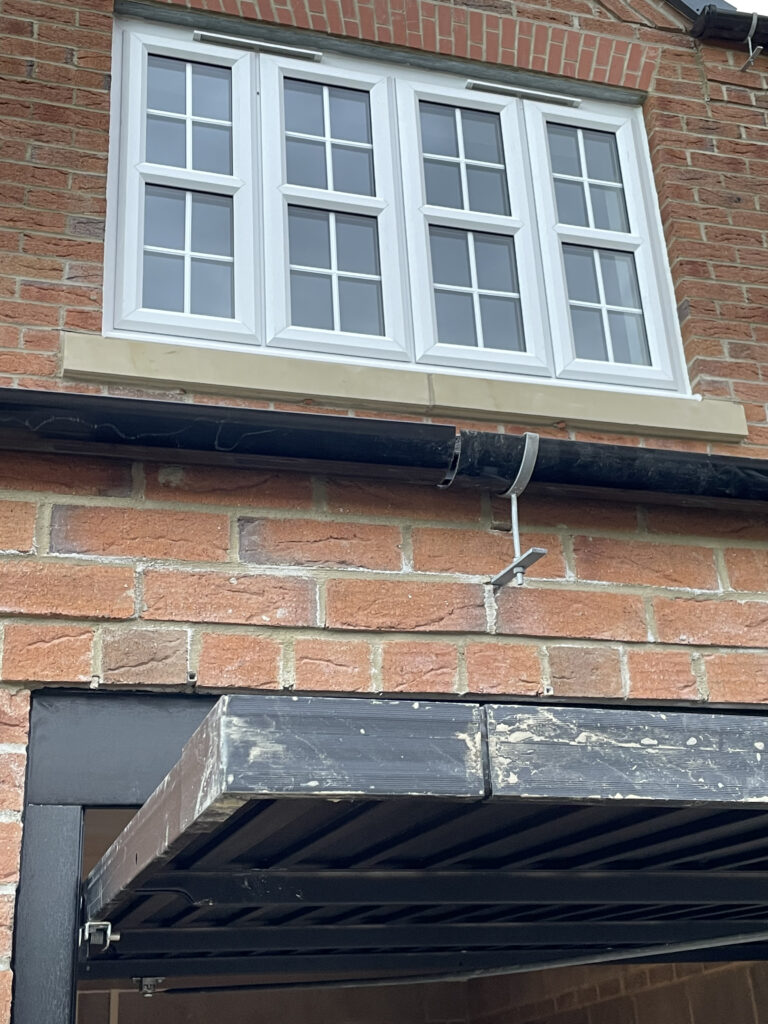
Snagging Survey Guide: How to Protect Your New-Build Investment
New-build homes promise modern design, efficiency and minimal maintenance—yet thousands of buyers move in each year to discover hidden defects. A professional Snagging Survey from Strut Building Surveyors identifies workmanship and material issues before the developer’s warranty expires, giving you leverage for timely rectification. In this complete guide, we explain what a snagging inspection covers, common defects we find, timing tips, and how it protects both buyers and small developers across Yorkshire.
What Is a Snagging Survey?
A Snagging Survey is an independent inspection of a newly built home to identify construction defects, poor workmanship, or unfinished items before hand-over or during the warranty period. It goes far beyond the developer’s cosmetic checklist—checking alignment, functionality, safety, compliance and specification against drawings and building regulations. The result is a detailed “snag list” that the builder must address under warranty or contractual obligation.
Developers are obliged under most NHBC and LABC warranties to correct legitimate snags reported within the first two years—provided you document them accurately.
When Should You Book a Snagging Survey?
- Pre-completion: ideally 1–2 weeks before legal completion, allowing time for remedial work.
- Immediately after moving in: within the first 14 days if pre-completion access isn’t allowed.
- End of the builder’s two-year warranty: a final inspection before the defects period ends.
Booking early ensures defects are corrected before they escalate. Small items—loose fittings, poor mastic seals, uneven finishes—can lead to damp, air leakage, or costly décor repair later.
What a Snagging Survey Covers
Strut’s RICS-qualified surveyors apply the same rigour as our Full Building Surveys, adapted for new construction. We assess every visible and functional element:
- External brickwork, pointing, DPC alignment and mortar quality.
- Roof coverings, flashings, verge trims and rainwater goods.
- Windows, doors, seals, ironmongery and security hardware.
- Floors, ceilings, walls, plaster finish and joinery.
- Kitchen and bathroom installation, tiling, sanitary fittings and ventilation.
- Loft insulation, hatches, fire barriers and thermal continuity.
- Garden levels, drainage, driveways, paving and boundary walls.
- Heating, electrics, smoke detection and visible plumbing.
We highlight both cosmetic and functional issues, differentiating between snags (finish defects) and defects (performance or safety concerns).
Typical Defects We Find on New Builds
Even reputable developers suffer quality drift due to subcontracting and tight programmes. Our Snagging Surveys in Yorkshire regularly uncover:
- Poor mortar or inconsistent brick colour and texture.
- Uneven roof tiles, missing verge clips, or mis-aligned gutter falls.
- Cracked render and silicone staining from premature rain exposure.
- Stiff window handles, missing restrictors, and air leakage around frames.
- Mis-aligned kitchen units, damaged worktops, incomplete sealant.
- Incorrect falls to shower trays causing ponding and leaks.
- Cold bridging and missing insulation in lofts and eaves.
- External levels above damp-proof course leading to rising damp risk.
- Poor drainage to patios and driveways, causing standing water.
Where we identify construction issues with wider implications—roofing, leadwork, or drainage—we reference suitable remedial approaches via trusted contractors such as Neal Roofing and Roof York.
Snagging Survey vs Developer Checklist
Many developers offer a “courtesy inspection,” but these are not independent. The table below compares the two approaches:
| Aspect | Developer Checklist | Professional Snagging Survey |
|---|---|---|
| Inspector | Site manager / contractor | Independent RICS surveyors (Strut) |
| Scope | Visible decorative issues | Fabric, safety, function and finish |
| Timing | At handover | Pre- or post-completion to suit access |
| Outcome | Limited checklist | Illustrated report with prioritised actions |
| Benefit | Minimal paper trail | Strong evidence for warranty repairs |
How Our Snagging Surveys Are Delivered
1) Inspection & Evidence
We carry out a systematic room-by-room inspection, recording defects photographically with location references. Lofts, roofs and external works are reviewed for weathering, ventilation and drainage performance.
2) Report & Snag List
Within 48–72 hours you receive an illustrated PDF showing each defect, its severity, and suggested remedy. Lists are categorised by priority—urgent / warranty / cosmetic—so you can manage communication with the builder efficiently.
3) Follow-Up & Verification
We can revisit once rectification works are complete to verify workmanship or liaise with warranty providers such as NHBC, LABC or Premier Guarantee if defects are contested.
Cost and Timescale
Inspection fees typically range from £350 to £650 + VAT for standard homes and £700 – £1,200 for larger or bespoke properties. Reports are issued within three working days of inspection. If access is restricted, we stage the survey to cover external works once complete.
Regional Insight — New Builds Across Yorkshire
Yorkshire’s new-build stock spans high-volume suburban estates to bespoke rural infills. Common local issues include wind-driven rain exposure on coastal sites, sulphate attack on soft brick, and frost damage in Pennine valleys. Strut’s regional knowledge helps buyers and developers understand which snags pose long-term risk versus superficial cosmetic concerns.
Why Developers Also Commission Snagging Surveys
Forward-thinking developers use independent snagging as a quality-control tool before handover. It demonstrates commitment to build quality, reduces warranty claims and enhances buyer confidence. For small builders without dedicated QA teams, outsourcing this inspection protects reputation and cash flow.
Case Study: Avoiding Costly Repairs
A homebuyer in Harrogate commissioned Strut for a Snagging Survey two weeks after completion. Our report identified over 70 defects including missing fire-stopping in the loft and inadequate drainage to the driveway. The developer rectified all issues under warranty—saving the owner more than £4,500 in potential repairs.
In Leeds, a small developer used our independent inspection before final handover to flag mortar shrinkage and roof tile alignment. Rectification prior to completion prevented snag claims and enhanced buyer satisfaction scores.
FAQs: Snagging Survey
Is a Snagging Survey the same as a RICS HomeBuyer Report?
No. A HomeBuyer Report evaluates existing homes and structural risk. A Snagging Survey focuses on finish quality and minor construction defects in new builds.
Can I attend the inspection?
Yes, we welcome buyers on-site to discuss findings in real time and demonstrate key maintenance points.
Will my builder accept your report?
Our reports reference NHBC Standards and Building Regulations Approved Documents, making them credible and difficult to dismiss.
What if the developer disagrees?
We can support written responses or follow-up inspections to verify remedial work and liaise with warranty providers.
Do you inspect apartments and shared areas?
Yes—we inspect individual units and common areas (subject to management access), highlighting defects the management company must address.
Next Steps
Don’t assume your new home is defect-free. Commission a professional Snagging Survey to identify issues early and secure remedies while you have full warranty rights. Strut Building Surveyors combine construction knowledge with clear reporting so Yorkshire homeowners and developers can build with confidence.
Related reading: Full Building Survey Guide | Common Building Defects | Commercial Building Survey Guide

