

 Why Strut
 Services
 Recent Surveys
 Locations
 Knowledge
 Contact
ROOFING SURVEYING SERVICES
BS 5534 Roof Survey
Independent BS 5534 roof survey services for slating, tiling, battens, underlays, fixings, laps, wind uplift risk and pitched roof defect diagnosis.
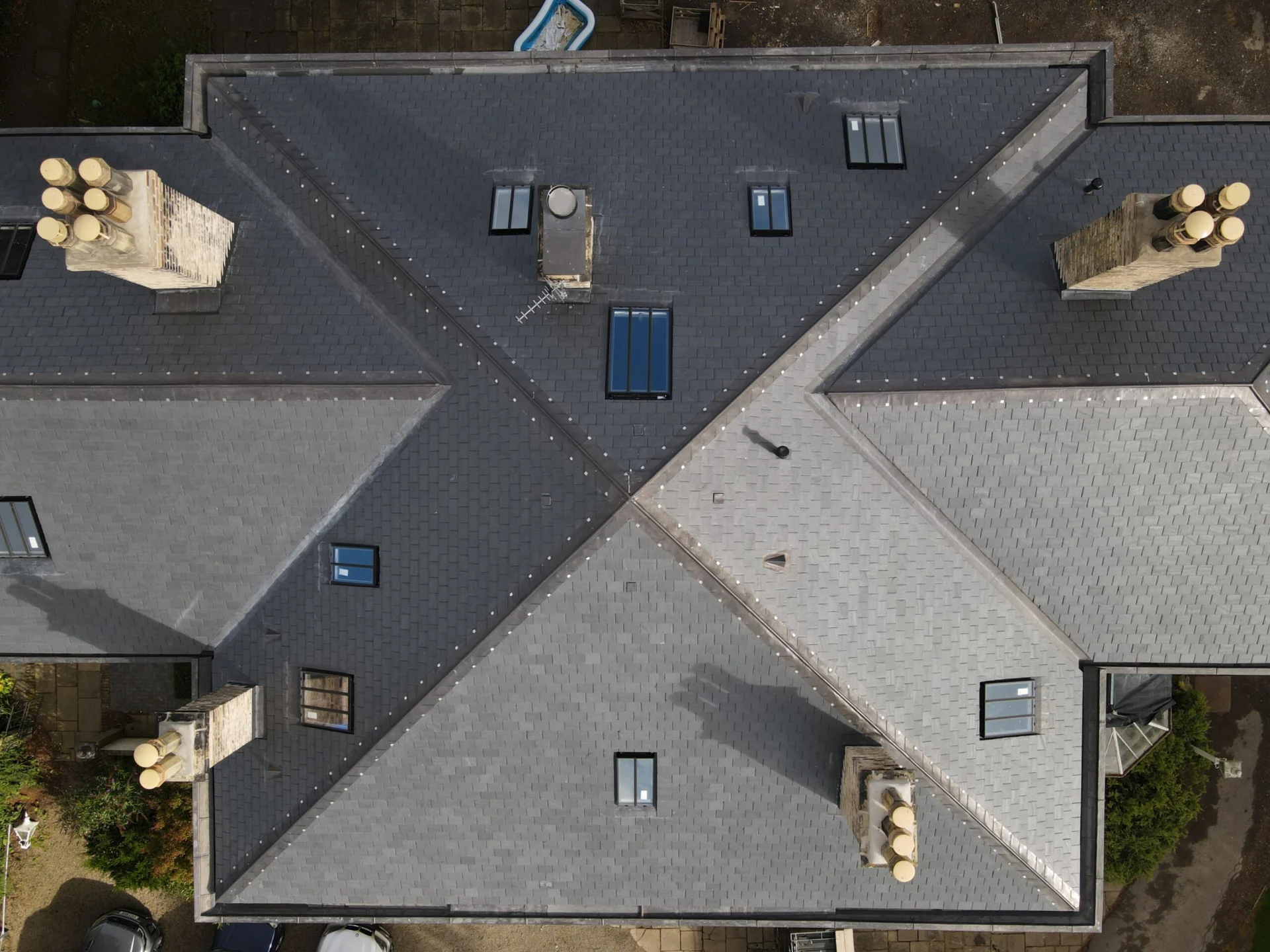
Independent BS 5534 roof survey services for slating, tiling, battens, underlays, fixings, laps, wind uplift risk and pitched roof defect diagnosis.
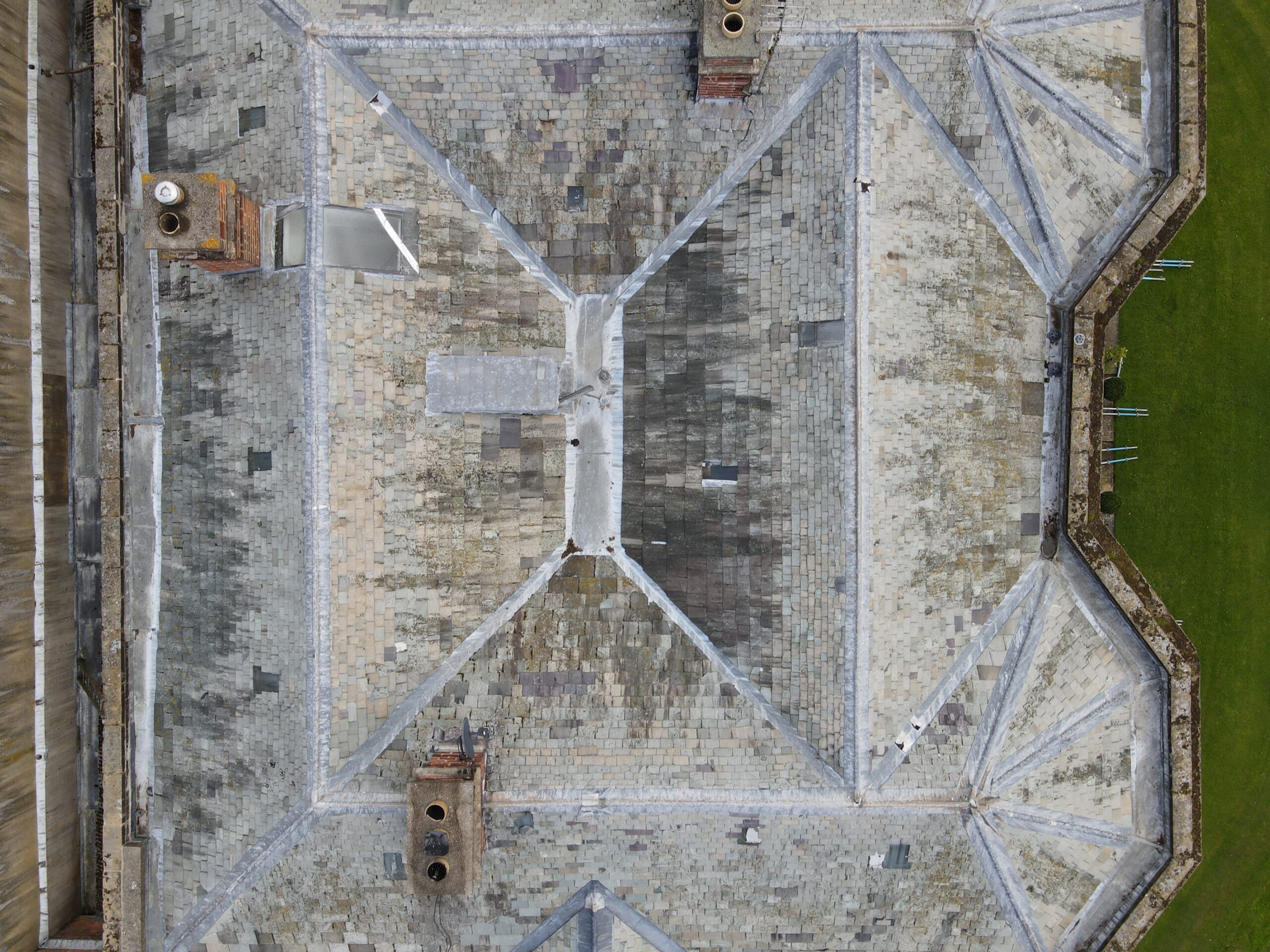
Return to the main roofing surveying services hub.
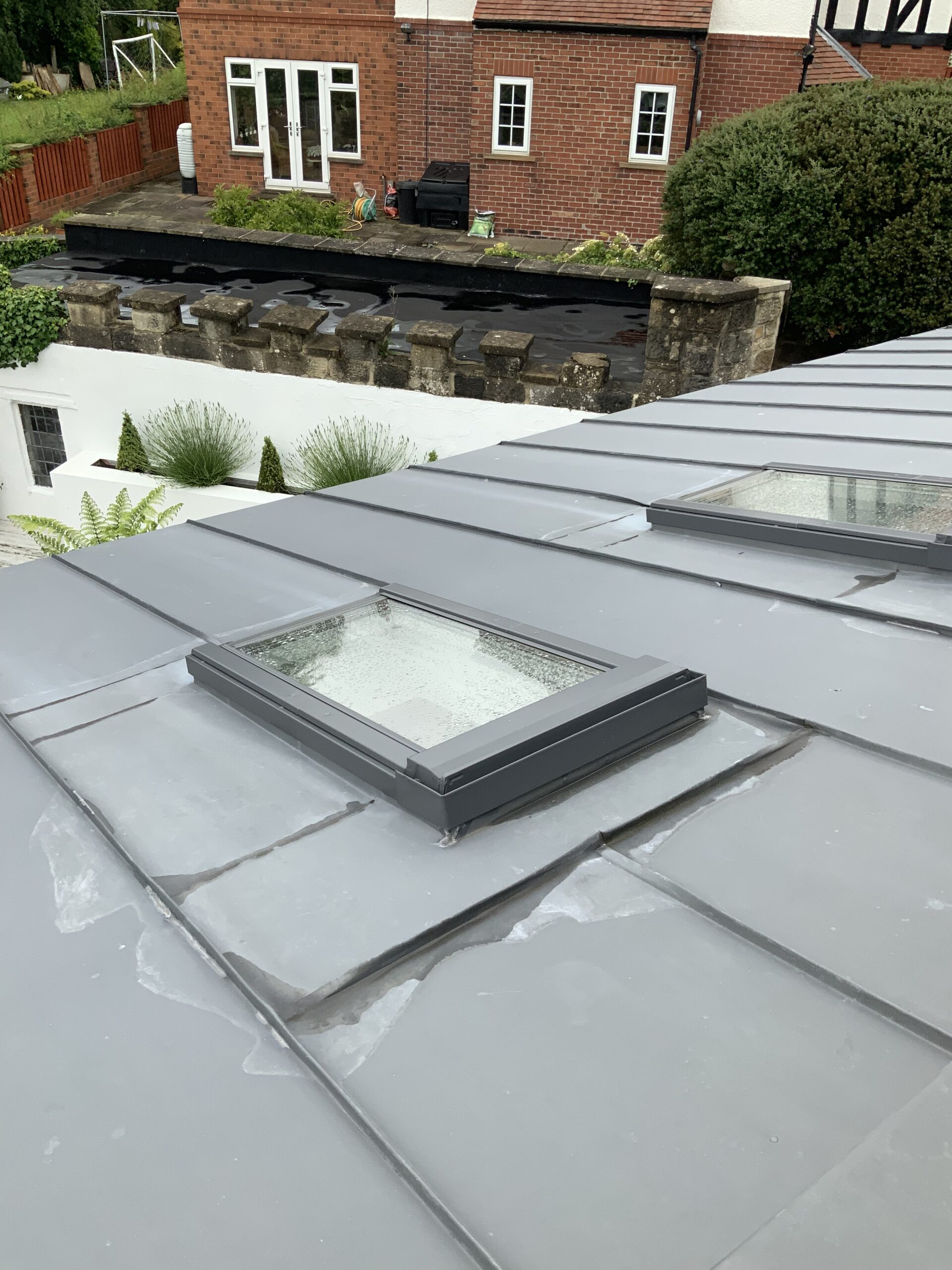
Lead flashings, valleys, abutments, codes, joints and movement.
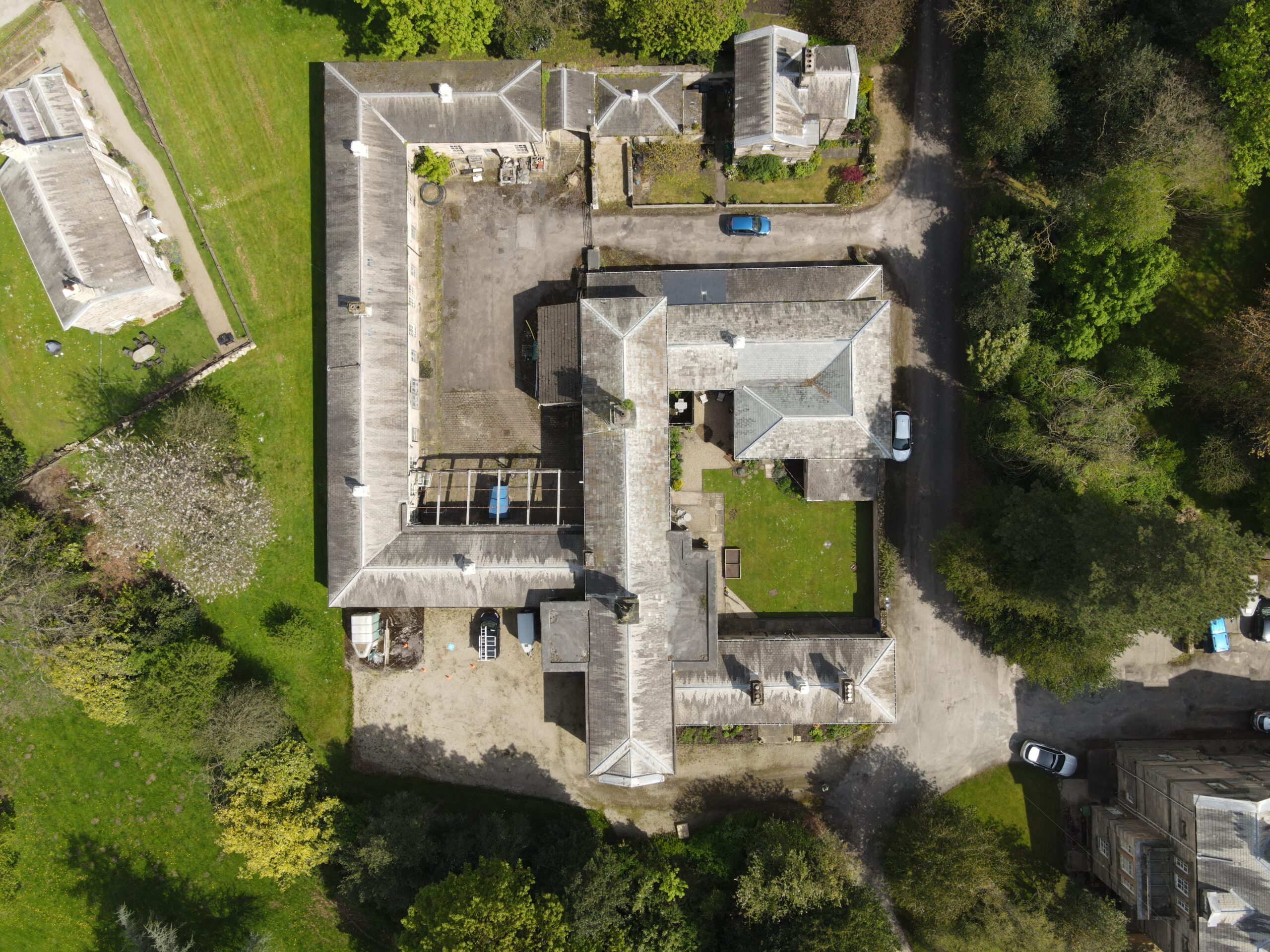
Aerial inspection of high level roof coverings, valleys, chimneys and abutments.
A BS 5534 roof survey is a technical pitched roof inspection focused on the design, performance and installation of slating, tiling and associated components. It is particularly useful where a roof has leaked, suffered storm damage, been poorly installed, or is being assessed before purchase, repair or re-roofing.
Strut Building Surveyors inspect pitched roofs with reference to the issues commonly addressed by BS 5534, including tile and slate suitability, headlaps, sidelaps, battens, underlays, fixings, dry ridge and verge systems, valley detailing, roof penetrations and wind uplift resistance.
Our role is to provide a clear independent view: what is wrong, why it matters, whether the roof appears consistent with accepted good practice, and what remedial action should be considered.
Book a Roof Survey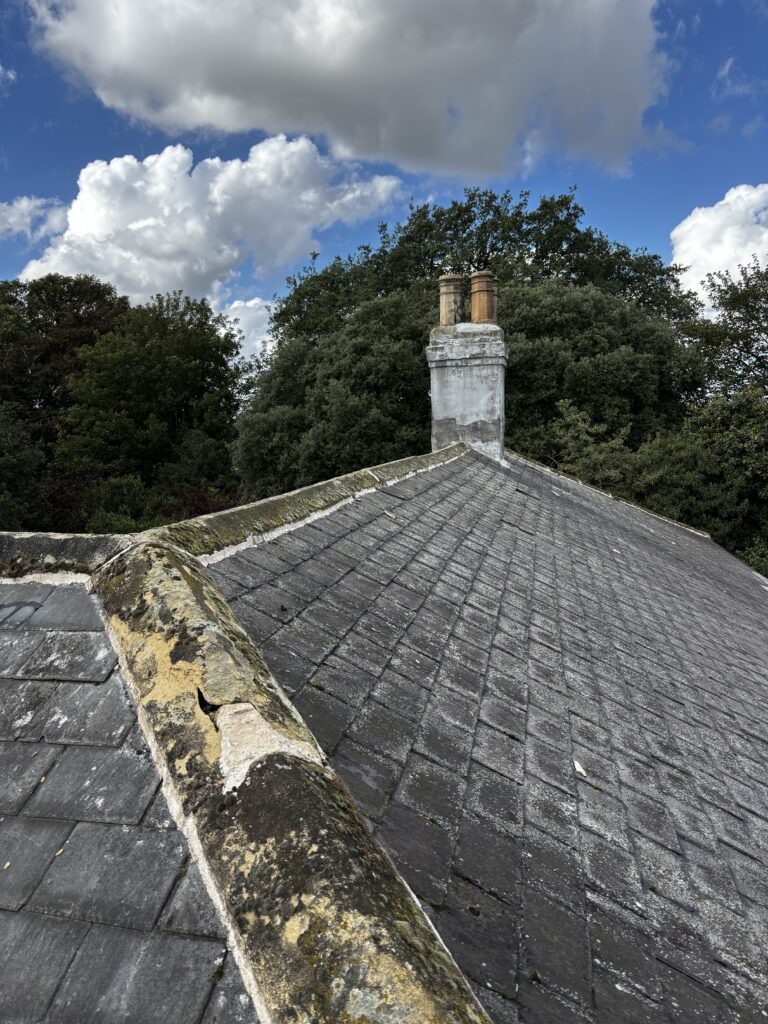
BS 5534 is the British Standard code of practice for slating and tiling for pitched roofs and vertical cladding. It is one of the key technical reference points for pitched roof surveys, particularly where there are concerns about roof covering selection, installation quality, fixing, underlay performance or wind loading.
A BS 5534 roof survey does not mean that every roof is judged mechanically against a single checklist. Older roofs, heritage roofs, reclaimed materials and repair situations often require professional judgement. However, BS 5534 provides a structured framework for considering whether a pitched roof has been designed, specified and installed in a way that is likely to perform properly.
For external reference, useful resources include the British Standards Institution, the Building Regulations Approved Documents, the HSE construction guidance and the Planning Portal Approved Documents resource.
A BS 5534 roof survey is suitable where a pitched roof requires technical diagnosis rather than a simple visual opinion. The survey can be used before works are specified, after works have been completed, during a dispute, or as part of acquisition due diligence.
Our BS 5534 roof survey service considers the visible roof construction, roof covering condition, workmanship, detailing and likely performance risks.
The first stage of a BS 5534 roof survey is to consider whether the roof covering appears suitable for the building, pitch, exposure and roof form.
We may inspect:
Where defects are visible, we explain whether the issue appears isolated, workmanship-related, age-related or potentially systemic.
Incorrect laps are a common cause of water penetration, wind-driven rain entry and premature failure. A BS 5534 roof survey may consider whether slates or tiles appear to have been laid at a suitable gauge and whether the roof has adequate resistance to rain and snow under normal exposure conditions.
Typical issues include:
These defects are particularly important where a roof has been recently re-covered, where leaks are recurring, or where the contractor’s workmanship is being challenged.
Roofing battens are not simply packing pieces. They support the roof covering, receive fixings and form part of the overall roof system. Defective battens can lead to loose coverings, fixing failure, distortion and reduced roof performance.
Our pitched roof surveys may consider:
Where battens are hidden, we may recommend targeted opening-up or further investigation if there is sufficient evidence of concealed risk.
Underlay defects are a frequent finding in a BS 5534 roof survey. Underlays can be damaged by poor installation, excessive exposure before the roof covering is installed, incorrect draping, poor laps, UV degradation or incompatible ventilation strategy.
We may assess:
Underlay condition is especially important where a roof is leaking despite the main roof covering appearing visually acceptable.
A BS 5534 roof survey is particularly valuable where there are concerns about storm resistance, insecure tiles, slipped slates, displaced ridge units or dry verge failures.
Modern pitched roofing relies on appropriate mechanical fixing. Mortar alone should not be relied upon to secure vulnerable components, and exposed roof areas often require particular attention.
Our survey may consider:
Where fixing adequacy cannot be confirmed visually, we explain the limitation and identify whether opening-up, manufacturer data or contractor installation records should be requested.
Ridges, hips and verges are exposed parts of the roof and often show early signs of poor fixing or poor workmanship. A BS 5534 roof survey may also consider dry-fixed ridge, hip and verge systems with reference to manufacturer guidance and relevant good practice.
Common defects include:
These issues are often visible from a drone roof survey, but high-level inspection, scaffold access or local opening-up may be required where the cause is disputed.
Many pitched roof failures occur at junctions rather than across the main field of tiles or slates. Valleys, abutments, chimneys, dormers, rooflights and changes in roof pitch require careful detailing.
We may inspect:
Where leadwork is a significant part of the defect, we may recommend a linked BS 6915 leadwork survey.
Not every roof leak is a leak. Condensation, trapped moisture and air leakage can create staining, mould, timber decay and insulation damage. A BS 5534 roof survey may identify where a linked moisture assessment is required.
We may consider:
Where moisture risk is central, the investigation may also need to consider BS 5250 condensation and moisture risk.
A BS 5534 roof survey is most useful where the condition, installation quality or performance of a pitched roof is in question. It is suitable for private homes, commercial property, managed estates, development sites, heritage buildings and recently completed roofing projects.
Commissioning a BS 5534 roof survey before works begin can help define the scope, avoid vague quotations and ensure tendering contractors are pricing the same technical requirements.
Where a new roof has leaked, moved, lifted or been poorly finished, a technical survey can identify whether the problem is isolated workmanship or a wider installation failure.
For acquisition due diligence, a pitched roof survey can help identify likely capital expenditure, hidden risk and whether further specialist investigation should be undertaken before commitment.
Our BS 5534 roof survey reports are written to be clear, practical and evidence-led. The level of detail depends on the instruction, access and purpose of the report.
A BS 5534 roof survey is not automatically an intrusive inspection unless specifically agreed. Many important elements of a pitched roof, including fixings, batten grading, underlay laps and hidden ventilation routes, may be concealed by the roof covering or internal finishes.
Where hidden defects are suspected, we may recommend:
This ensures the opinion is proportionate, transparent and technically defensible.
We review the issue, the property type, available photographs, contractor quotations, invoices, drawings, previous reports and any dispute correspondence. This helps determine whether a BS 5534 roof survey is the correct route or whether a wider roofing survey is required.
We inspect the accessible pitched roof areas, roof coverings, valleys, verges, ridges, hips, abutments, flashings, rainwater interfaces, roof voids and internal evidence of water ingress where relevant.
We prepare a clear report setting out the visible defects, likely causes, relevant standards commentary, practical recommendations and any further investigation required.
Where required, we can assist with repair scope preparation, specification, tender review, contractor briefing, periodic inspection during works and practical completion review.
A BS 5534 roof survey is a pitched roof inspection that considers slating, tiling, battens, underlays, fixings, laps, wind uplift risk and associated detailing with reference to the principles of BS 5534 and accepted roofing practice.
Yes, but with care. BS 5534 is primarily written around design, performance and installation of pitched roofs, but older roofs, heritage buildings and reclaimed materials may require professional judgement. We do not apply standards blindly where traditional construction or conservation context needs to be considered.
Yes. A BS 5534 roof survey can help identify whether a roof defect appears to be caused by poor workmanship, poor detailing, unsuitable materials, inadequate fixings, incorrect laps or other technical issues. The report can assist discussions with contractors, insurers or professional advisers.
We inspect visible fixing evidence where accessible. However, many fixings are concealed beneath tiles or slates. Where fixing adequacy is disputed or cannot be confirmed visually, we may recommend targeted opening-up, manufacturer data review or scaffold-level inspection.
Yes. Following a BS 5534 roof survey, we can prepare a remedial scope or specification, assist with tender review and provide periodic inspection during roofing works where required.
Strut Building Surveyors provide independent BS 5534 roof survey services for pitched roof defects, slating and tiling issues, disputed roof works, pre-purchase due diligence and planned re-roofing projects. Explore our wider Roofing Surveying Services, Roof Surveys and Knowledgebase.
Get in Touch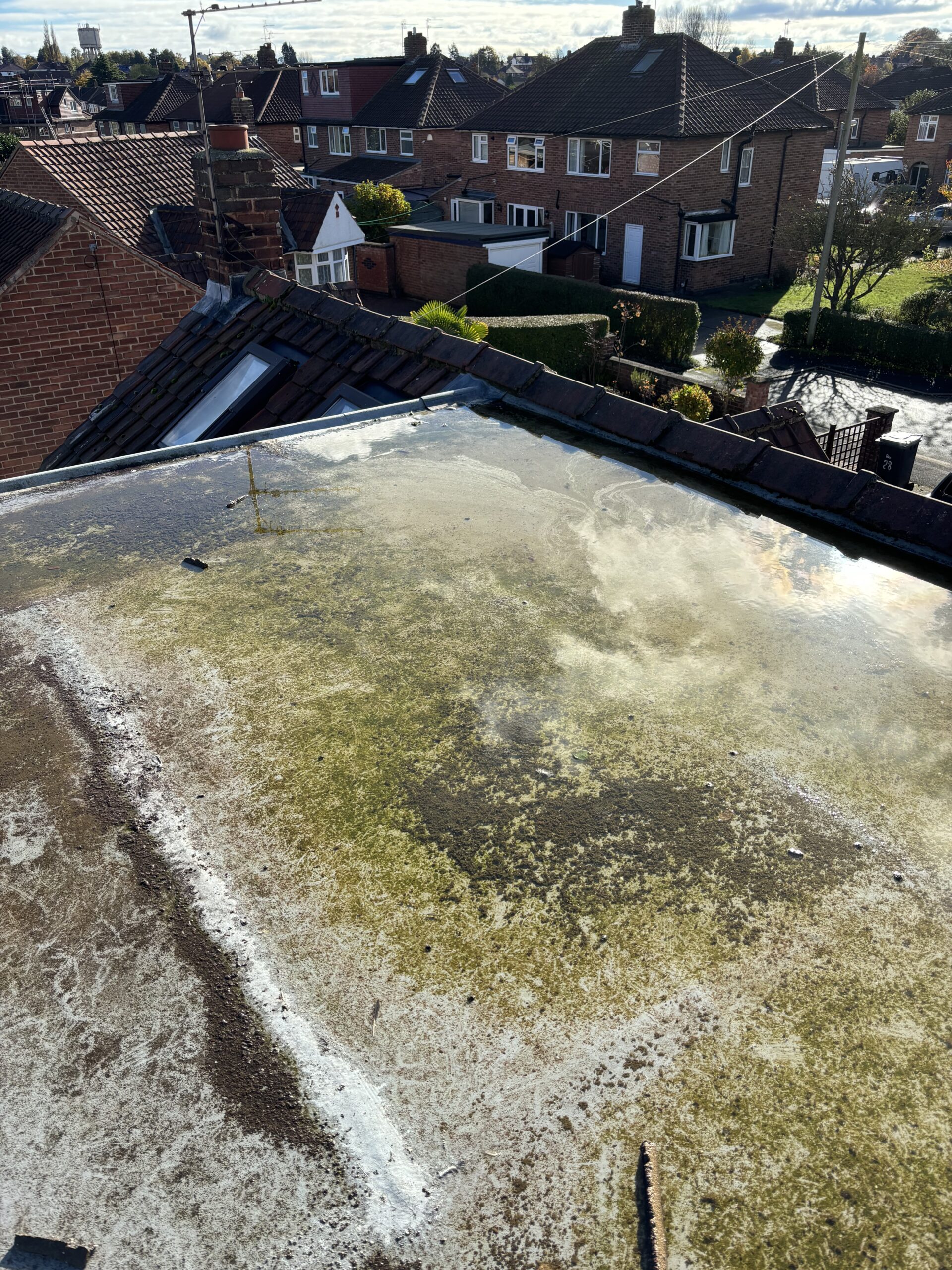
A surveyor-led guide explaining flat roof defects in York, why membranes fail prematurely, how inspections [...]
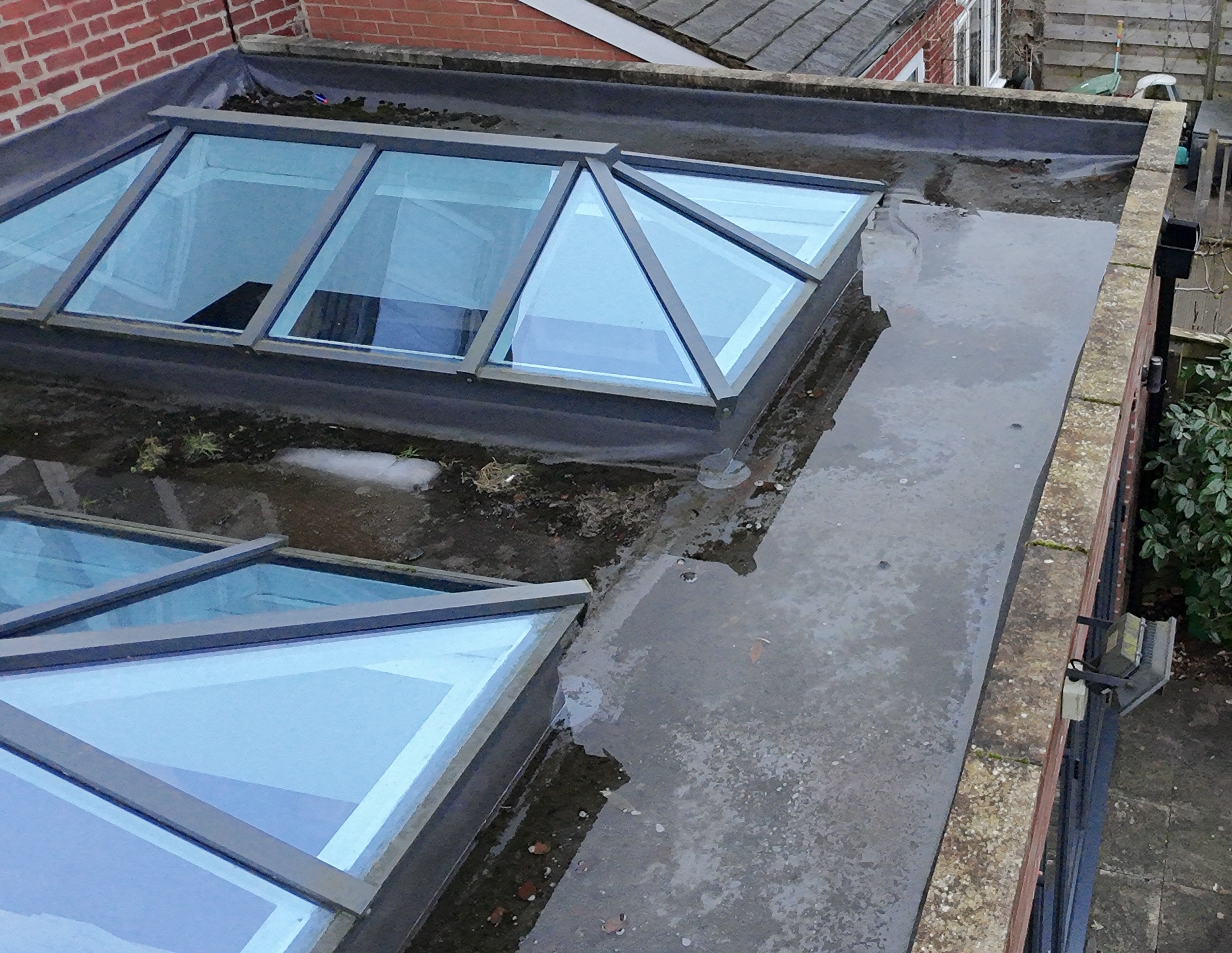
A surveyor-led guide explaining why leaking roofs in York are often misdiagnosed, how water travels [...]
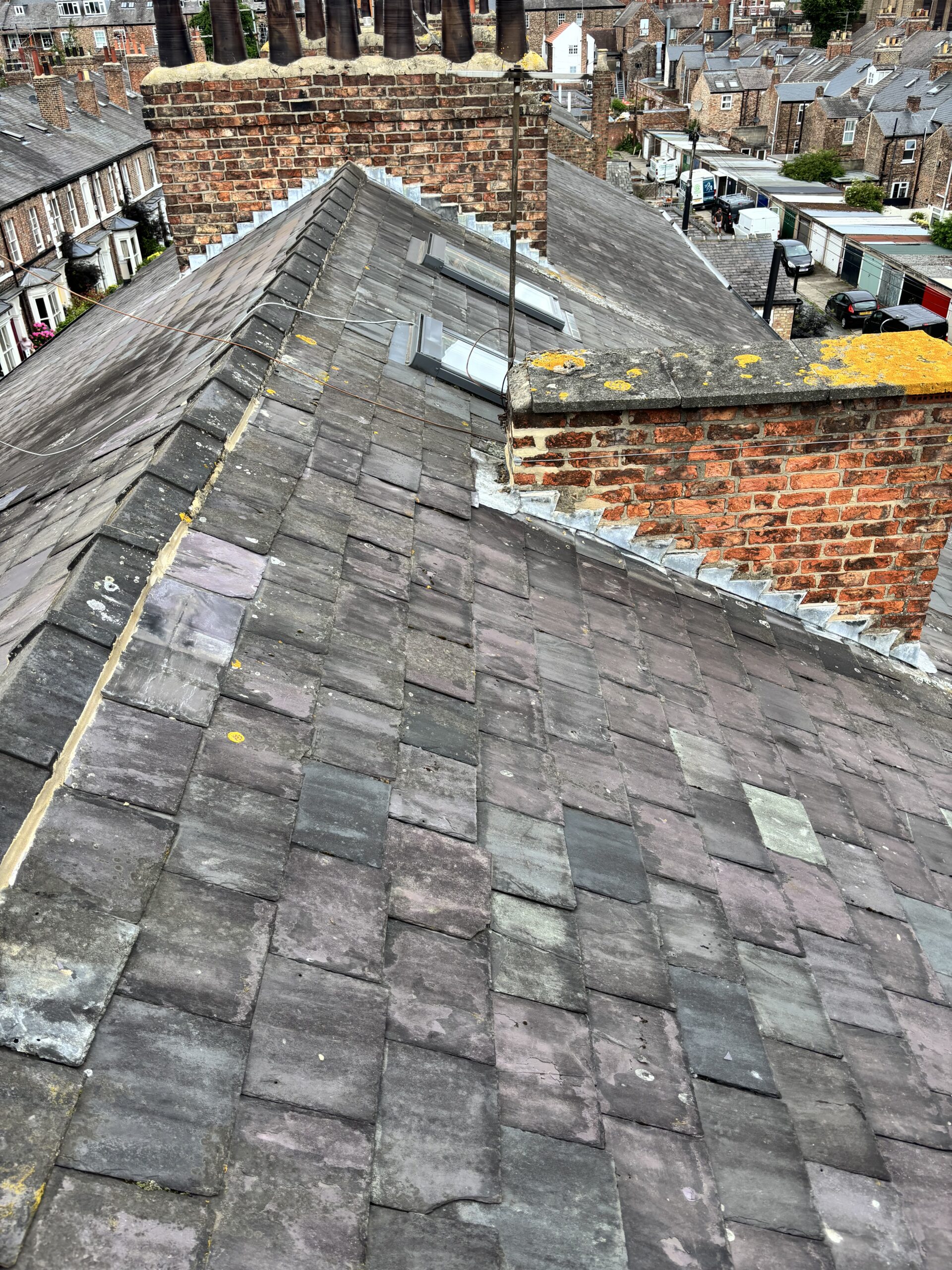
A surveyor-led guide explaining how poor roof workmanship in York is identified, how it differs [...]
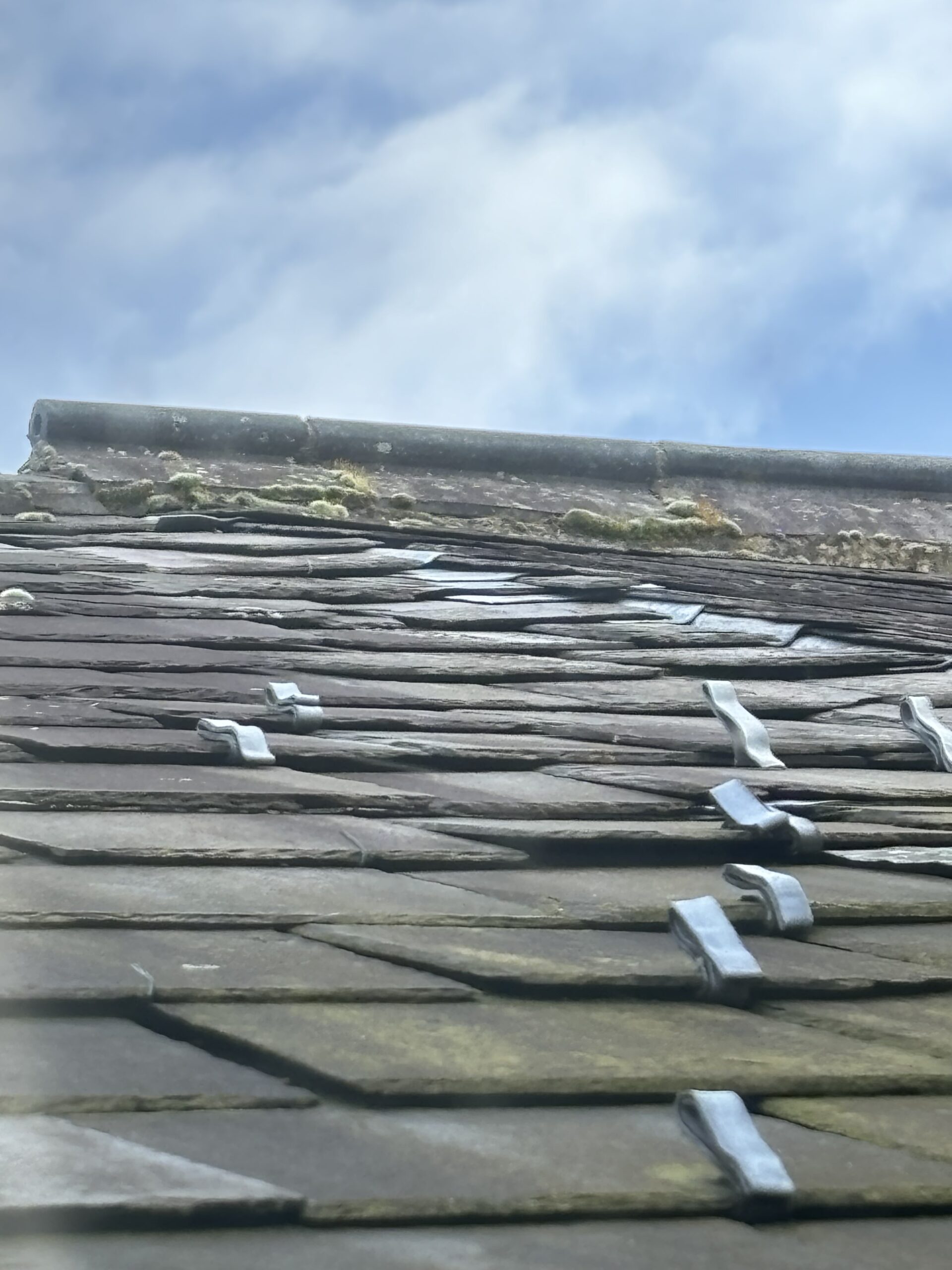
A detailed inspection-led guide explaining how poor roofing work in York is identified, why defects [...]
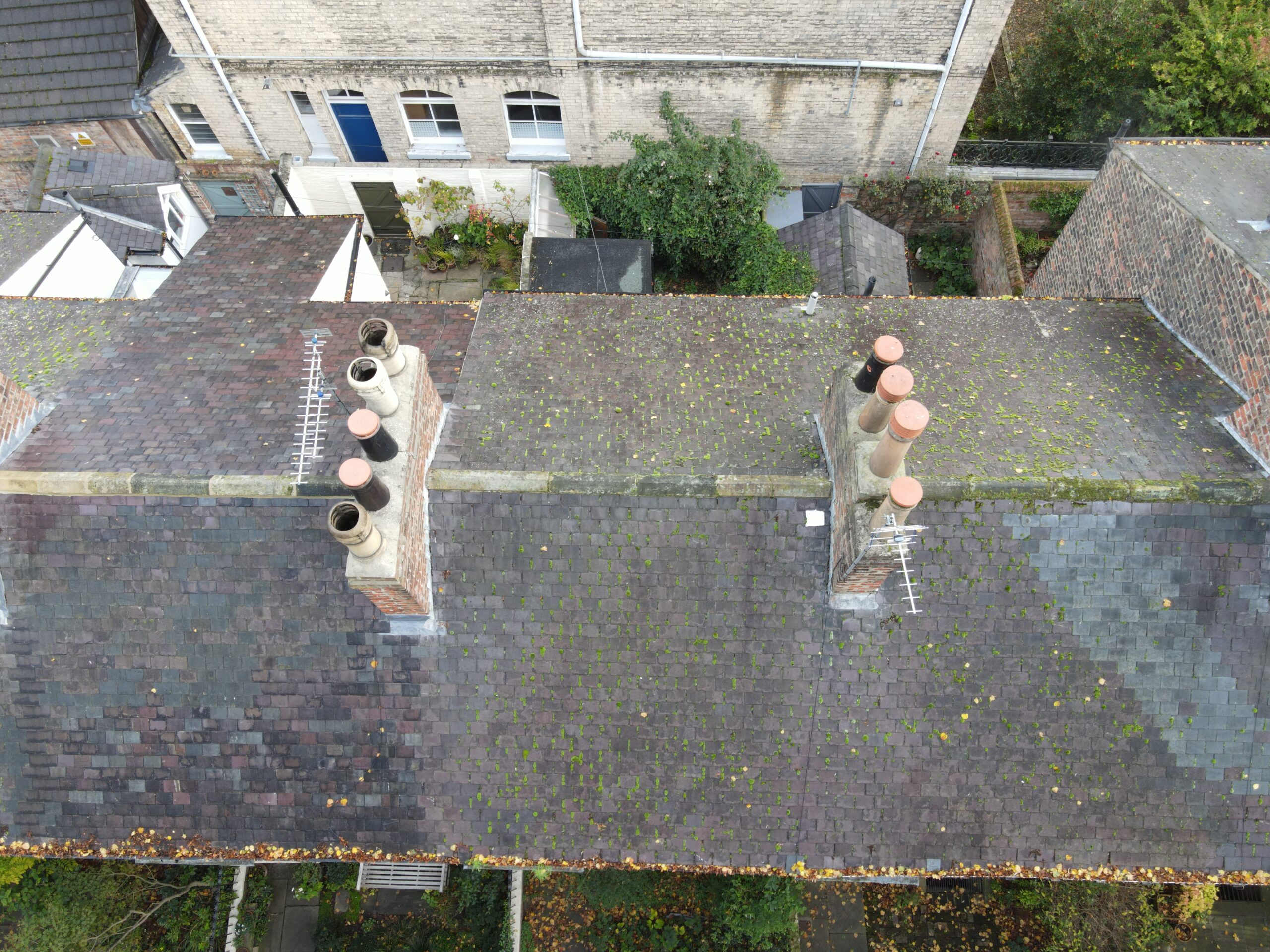
A Party Wall Survey under the Party Wall etc. Act 1996 prevents disputes during boundary [...]

A Listed Building Survey provides essential insight for owners and buyers of historic properties. Discover [...]
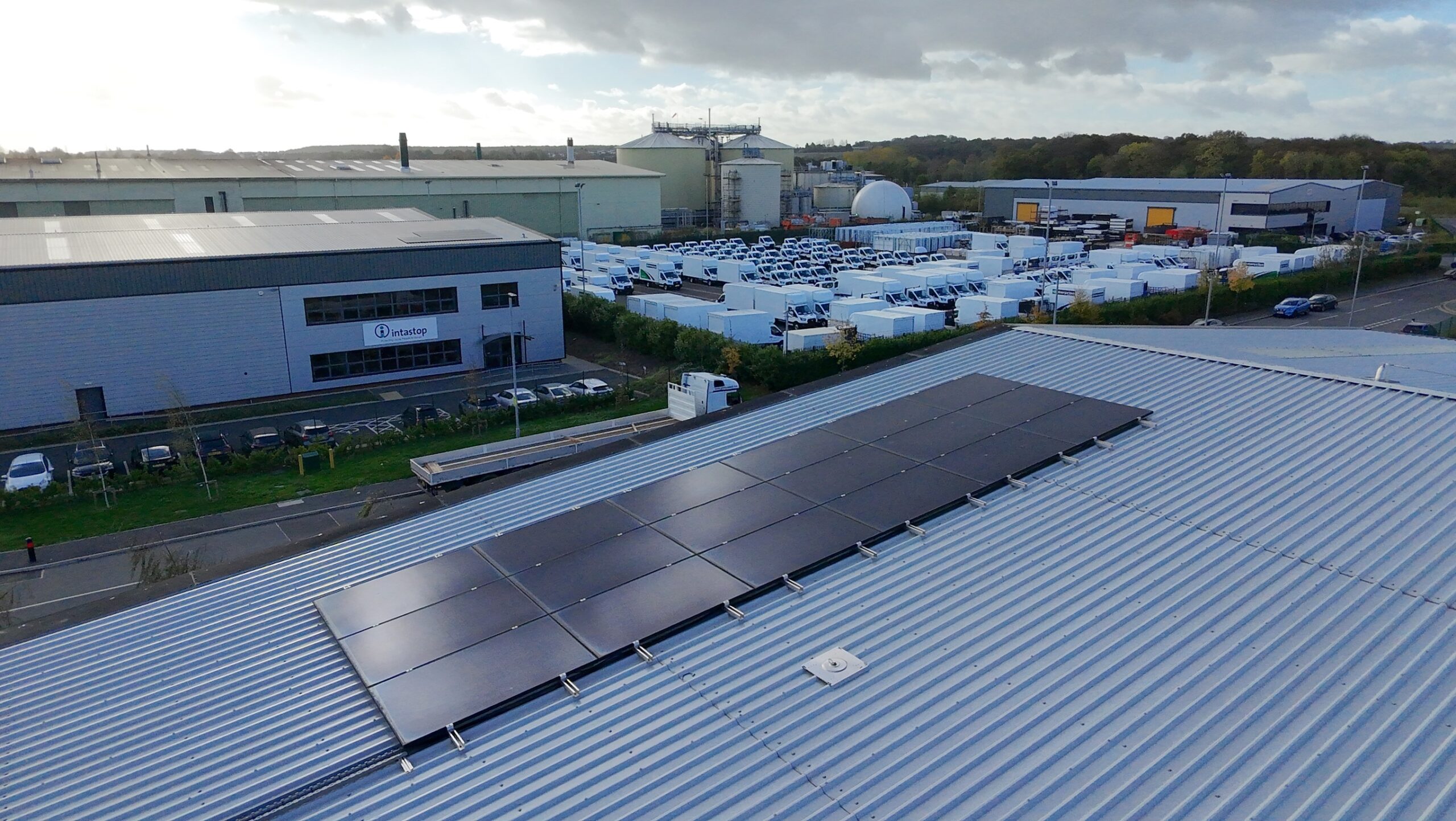
A practical Building Safety Act 2022 Guide for domestic and commercial building owners, explaining time [...]

A Snagging Survey ensures your new-build home meets standards before the developer’s warranty expires. Discover [...]

