

 Why Strut
 Services
 Recent Surveys
 Locations
 Knowledge
 Contact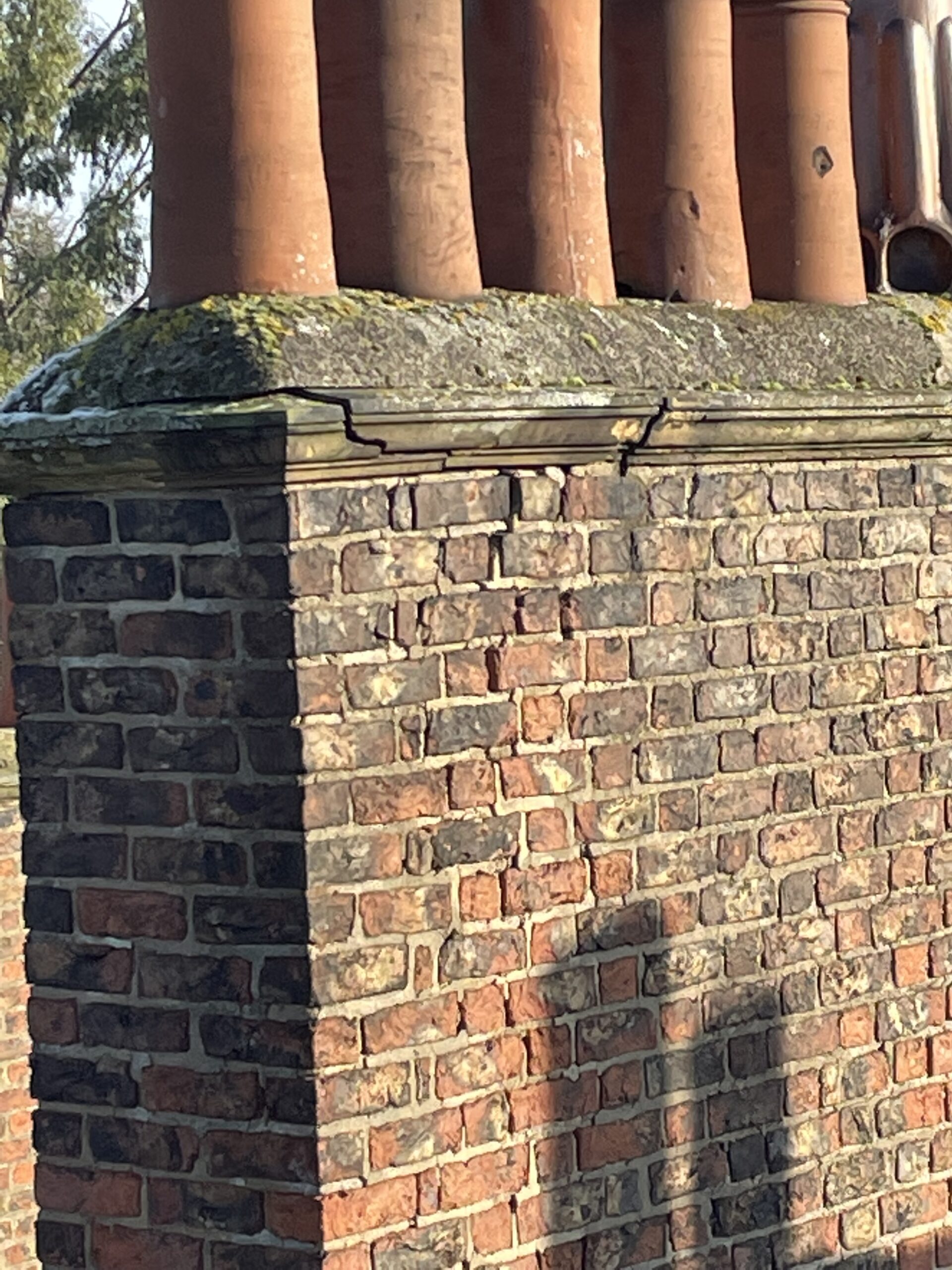
STRUT BUILDING SURVEYORS
What is a Specific Defect Survey
A Specific Defect Survey is a focused inspection carried out by an RICS Chartered Surveyor to assess and report on a particular issue affecting a property.
Unlike a general property survey, this type of inspection targets a specific problem, such as damp, structural movement, roof defects, or timber decay.
A specific defect survey can be advantageous to identify and effect repairs on a particular problem relating to a property.
At Fabric, we can carry out a specific defect survey and provide appropriate professionals to offer repairs as may be required.
Get in touch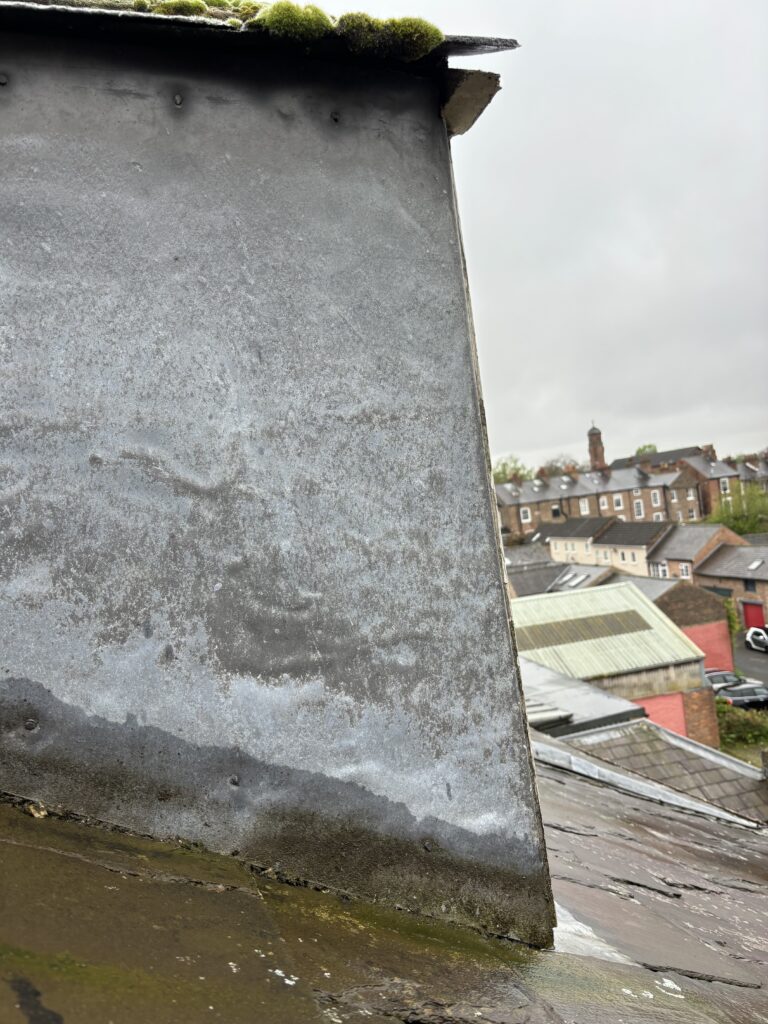
Process of a Specific Defect Survey
Client Consultation & Briefing
- The surveyor discusses the client’s concerns and gathers information about the defect.
- Relevant documents, such as previous surveys, architectural plans, or maintenance records, may be reviewed.
Site Inspection
- A physical inspection of the affected area is conducted, assessing the extent, nature, and potential causes of the defect.
- The surveyor may use tools like moisture meters (for damp), borescopes (for hidden voids), or thermal imaging cameras (for heat loss and insulation issues).
Assessment & Diagnosis
- The surveyor determines whether the defect is cosmetic, superficial, or indicative of a deeper structural or material failure.
- External factors such as drainage, weather exposure, or neighboring structures may be considered.
Recommendations & Reporting
- A detailed report is prepared, including findings, causes, and potential solutions.
- The report typically includes photographs, technical analysis, and cost implications for remediation.
- If necessary, the surveyor may recommend further investigations by specialists (e.g., structural engineers, damp, roofing or chimney specialists).
Advice & Next Steps
- The surveyor advises the client on the urgency of repairs, legal implications, and suitable remedial actions.
- Depending on the defect, recommendations may include DIY fixes, professional repairs, or further monitoring.
- A specific defect survey may give rise from involvement from other professionals to provide further opinion if needed.
Common Specific Defects in Buildings
Buildings can suffer from a wide range of defects due to poor construction, material failure, environmental conditions, or lack of maintenance. Below is a list of 30 common specific defects found in buildings:
Below you will find a list of 30 common specific defects.
Structural Defects
-
Cracks in Walls & Ceilings – Can result from settlement, thermal movement, or structural failure.
-
Subsidence & Ground Movement – Causes sinking or tilting of buildings due to soil instability.
-
Lintel Failure – Cracked or sagging brickwork above windows/doors due to corroded or inadequate lintels.
-
Wall Tie Failure – Common in older cavity walls where corroded ties cause bulging or cracking.
-
Poor Structural Support – Inadequate foundations, undersized beams, or failing load-bearing walls.
-
Defective Reinforced Concrete – Spalling or cracking due to reinforcement corrosion.
Roofing Defects
-
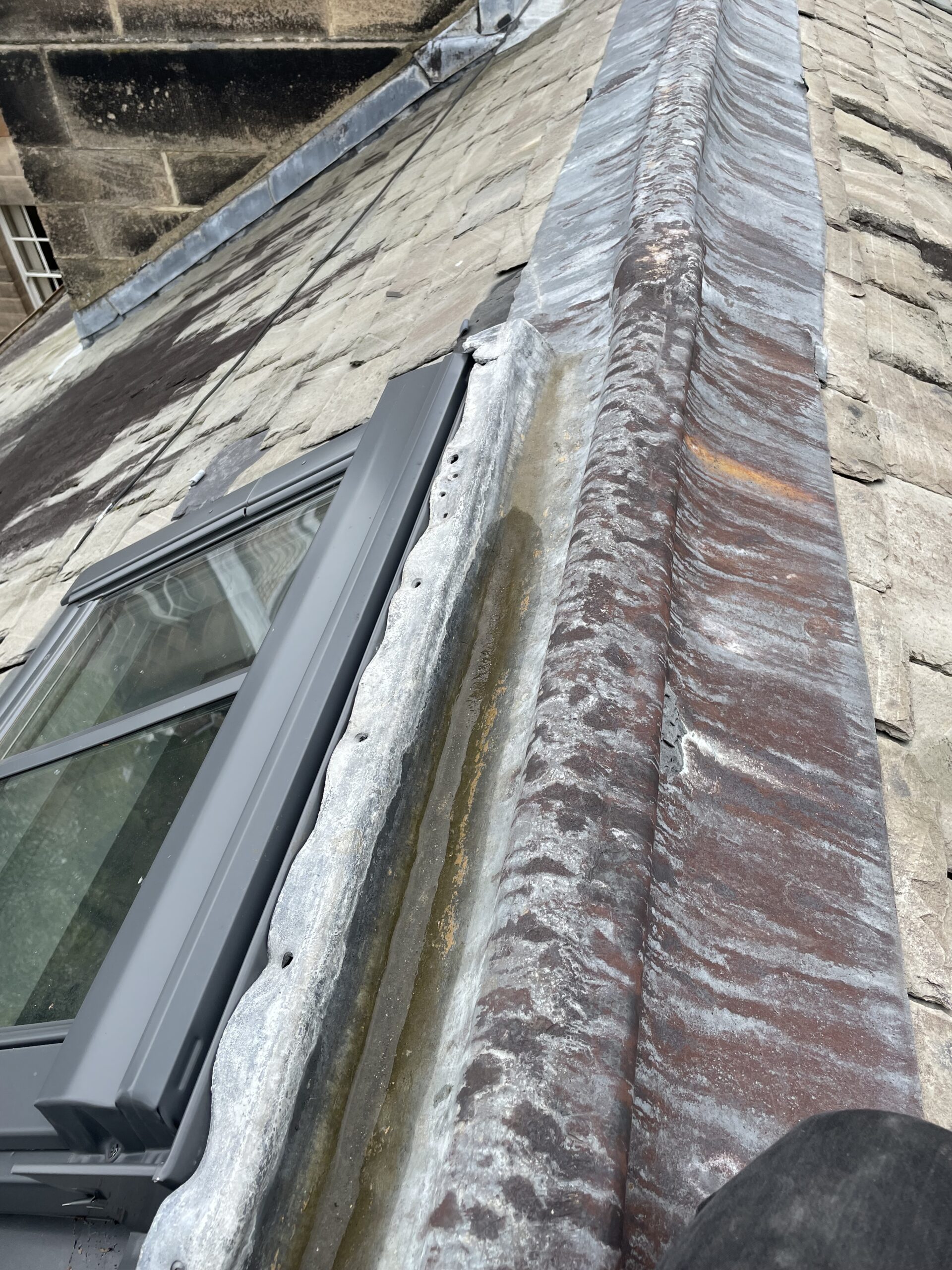
Leaking Roofs – Due to broken/missing tiles, poor flashing, or inadequate waterproofing.
-
Sagging Roofs – Caused by weakened rafters, insufficient support, or overloading.
-
Blocked or Faulty Gutters & Downpipes – Leading to water ingress and damp problems.
-
Flat Roof Failure – Cracking or ponding due to poor drainage or membrane deterioration.
20 More Specific Defects
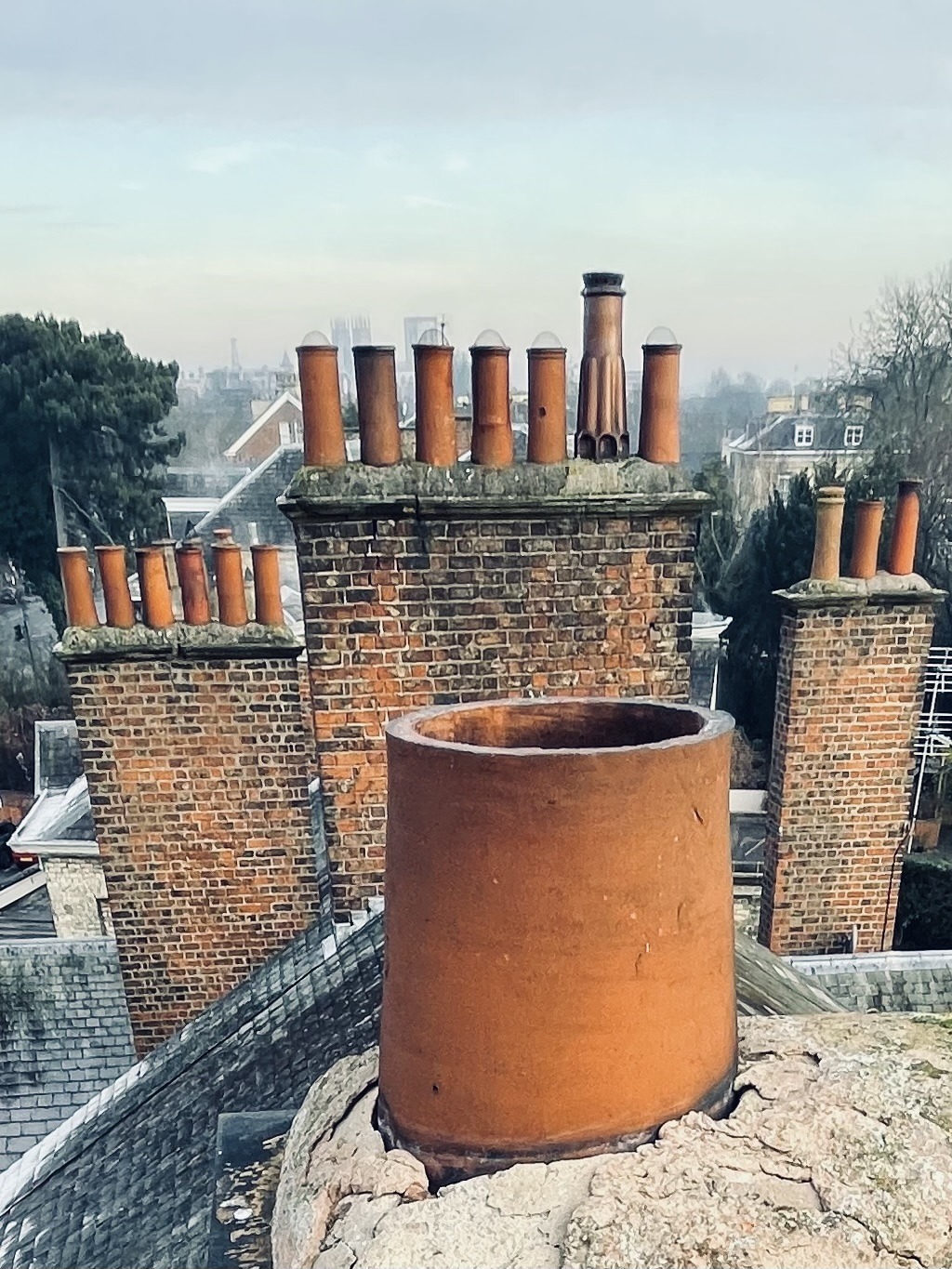
11. Defective Chimney Stacks – Loose bricks, leaning stacks, or cracked mortar joints.
Damp & Moisture-Related Defects
-
Rising Damp – Moisture rising through walls due to a failed damp-proof course (DPC).
-
Penetrating Damp – Water entering through walls due to defective pointing, roofing, or poor drainage.
-
Condensation & Mould Growth – Due to poor ventilation and high humidity levels.
-
Leaking Pipes – Causing hidden water damage and damp patches.
-
Wet & Dry Rot – Fungal decay in timber caused by excess moisture.
Facade & External Envelope Defects
-
Brickwork & Pointing Deterioration – Weathering and erosion of mortar joints.
-
Render Cracking or Delamination – Poor adhesion, movement, or weather exposure causing detachment.
-
Cladding Failure – Warping, detachment, or water ingress due to faulty fixings or poor installation.
-
Defective Windows & Doors – Issues with draughts, leaks, or frame deterioration.
Internal Defects
-
Plaster Cracking or Detachment – Due to movement, poor adhesion, or damp penetration.
-
Defective Flooring – Warping, uneven surfaces, or loose tiles/boards due to moisture or poor installation.
-
Thermal Bridging – Cold spots on walls leading to condensation and heat loss.
-
Poor Insulation – Insufficient or deteriorated insulation causing heat loss and high energy bills.
Mechanical & Electrical Defects
-
Faulty Electrical Wiring – Outdated or damaged wiring, posing fire and safety risks.
-
Inadequate Ventilation – Poor airflow causing condensation, mould, and poor air quality.
-
Defective Plumbing & Drainage – Leaks, blockages, or pipe corrosion leading to water damage.
-
Faulty Heating Systems – Boilers, radiators, or underfloor heating not functioning efficiently.
Fire Safety & Security Defects
-
Fire Stopping Deficiencies – Gaps in fire barriers allowing smoke and fire spread.
-
Defective Fire Doors – Poor sealing, incorrect installation, or damage compromising fire safety.
Each of these defects can vary in severity and impact, requiring expert assessment and remediation. Would you like a more detailed breakdown of any specific category?
Specific
Focused approach.

Defect
Identify and consider.
Survey
Effectively managing remedial work.
Arranging Repairs
After completing a Specific Defect Survey, a Strut Building Surveyor plays a crucial role in coordinating the necessary repairs by engaging specialist contractors. Their expertise ensures that remedial work is carried out efficiently, in compliance with regulations, and to a high standard. The process typically involves the following steps:
1. Interpretation of the Survey Report
- The surveyor carefully reviews the defect survey findings to determine the scope of remedial work required.
- They assess whether further specialist investigations (e.g., structural engineering analysis, damp testing, or invasive inspections) are necessary.
- A cost-benefit analysis is conducted to establish the most effective repair strategy.
2. Specification of Works & Tendering
- The surveyor prepares a detailed repair specification, outlining:
- The exact work required.
- Materials and techniques to be used.
- Compliance with building regulations and industry standards.
- If necessary, they create tender documents and invite reputable specialist contractors to bid for the work.
3. Selection of Specialist Contractors
- The surveyor sources and vets qualified contractors, ensuring they have:
- The right certifications (e.g., Gas Safe for heating, NICEIC for electrical work, CSCS for construction).
- A track record of quality workmanship.
- Appropriate insurance and health & safety compliance.
- They compare quotes, balancing cost with quality and reliability.
4. Contract Administration & Project Management
- The surveyor prepares contracts to formalize the agreement between the client and the contractor.
- They oversee the works to:
- Ensure adherence to the specification.
- Monitor progress and troubleshoot issues.
- Verify compliance with building regulations, planning permissions, and warranties.
- Site visits and inspections are conducted to maintain quality control.
5. Quality Assurance & Final Inspection
- Upon completion, the surveyor:
- Inspects the work to confirm it meets the agreed standards.
- Identifies any snagging issues that need rectification before final approval.
- Ensures all necessary documentation (e.g., warranties, compliance certificates) is handed over to the client.
6. Ongoing Maintenance & Future Prevention
- The surveyor may provide advice on preventative maintenance to avoid recurring issues.
- A long-term maintenance plan may be recommended, particularly for buildings with ongoing structural or environmental risks.
Strut Building Surveyors act as a bridge between the property owner and specialist contractors, ensuring that repairs are carried out efficiently, safely, and to the highest standards. Our role extends beyond inspection to project management, quality control, and future-proofing the building against defects.
Get In touch
STRUT BUILDING SURVEYORS
Specific Defect Surveyors
A Specific Defect Survey is essential for property owners, buyers, and investors who need expert guidance on particular structural or maintenance concerns, helping them make informed decisions about remedial action and property investments.
At Fabric, we can effectively identify a range of building defects across property sectors and advise clients on the best method of repair.
A specific defect survey can offer valuable insight into both causes and solutions.
Get in Touch
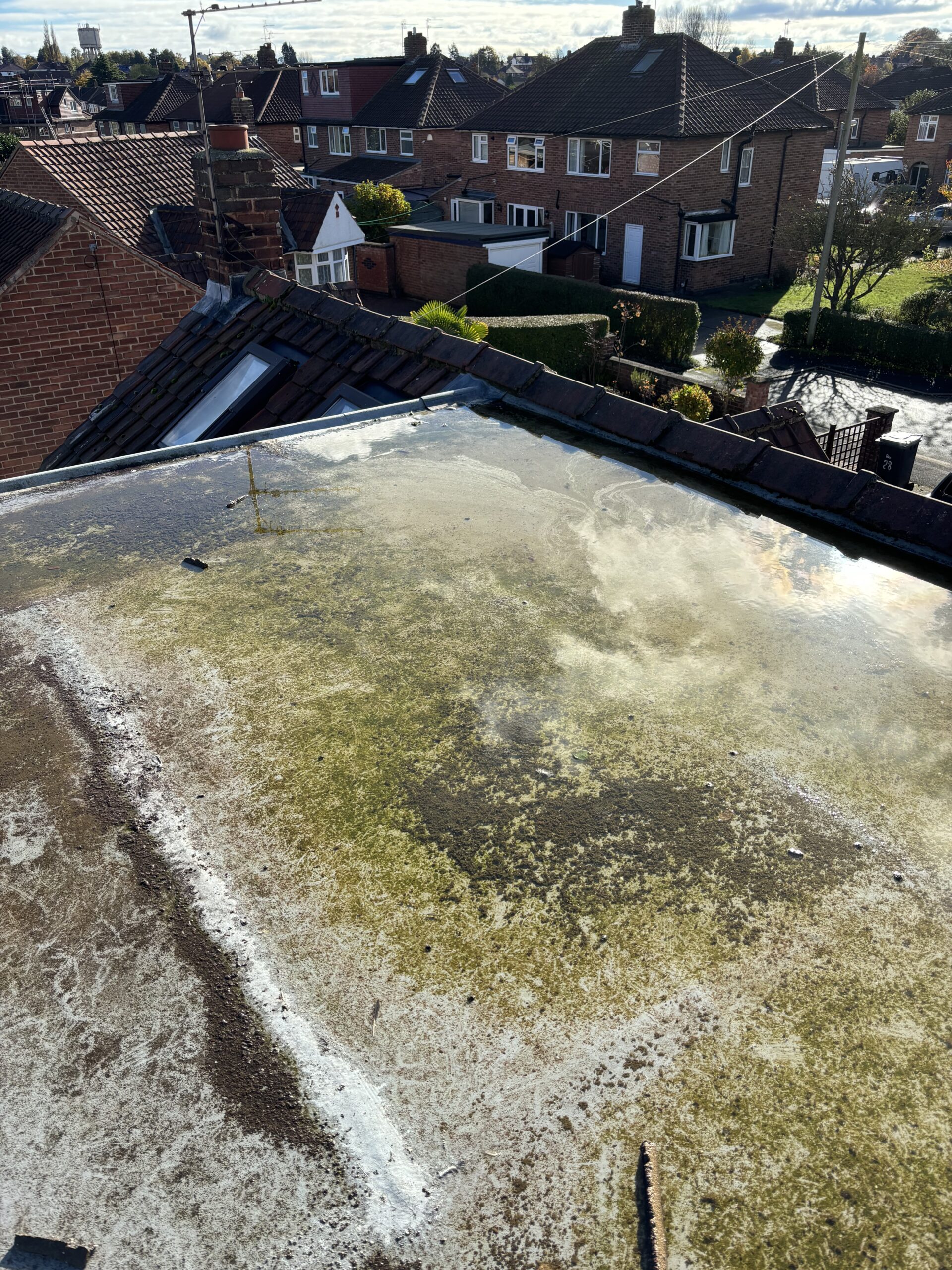
Flat Roof Defects in York | Surveyor Inspection Guide
A surveyor-led guide explaining flat roof defects in York, why membranes fail prematurely, how inspections [...]
02
Mar
Mar
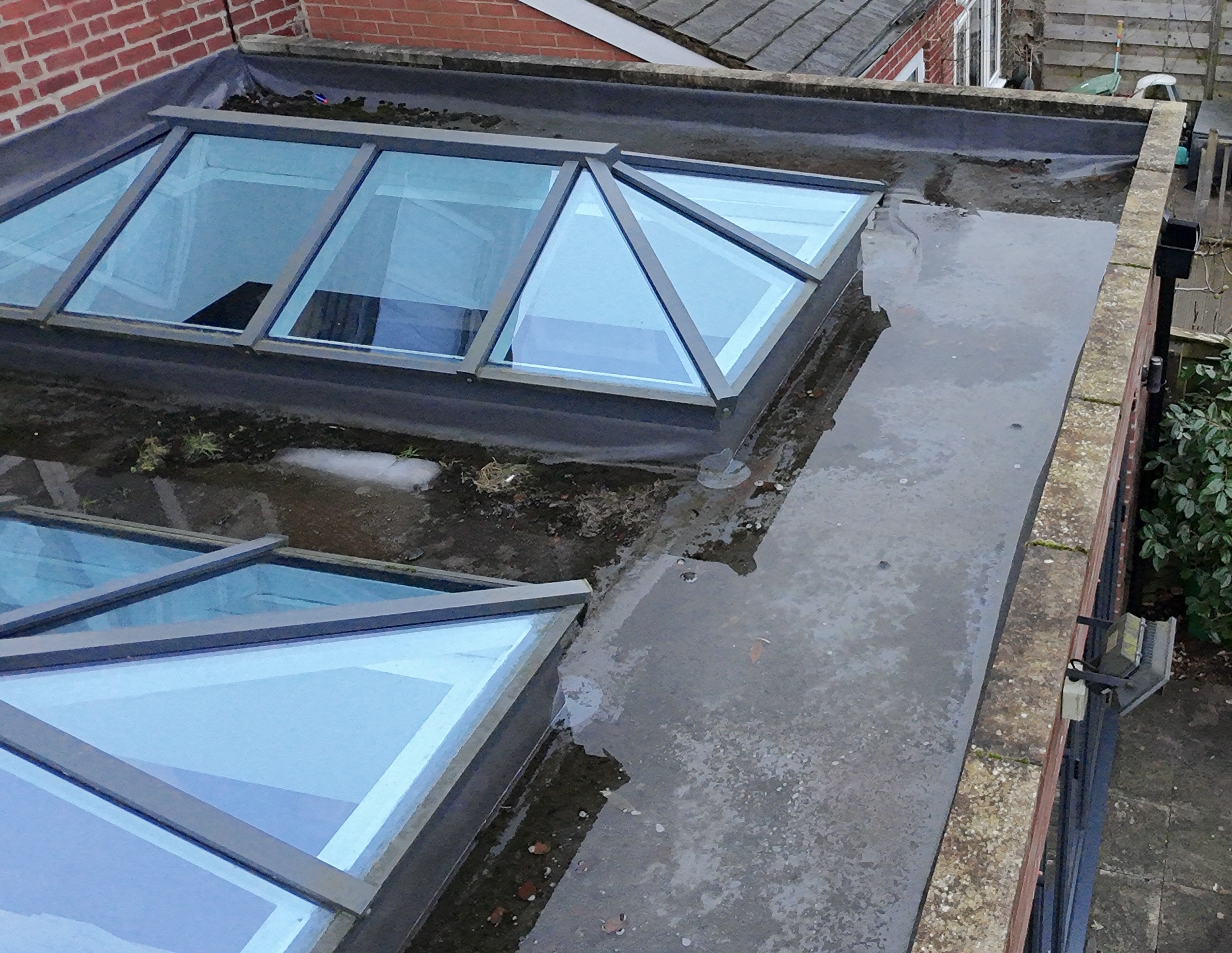
Leaking Roofs in York | Surveyor Inspection Guide
A surveyor-led guide explaining why leaking roofs in York are often misdiagnosed, how water travels [...]
23
Feb
Feb
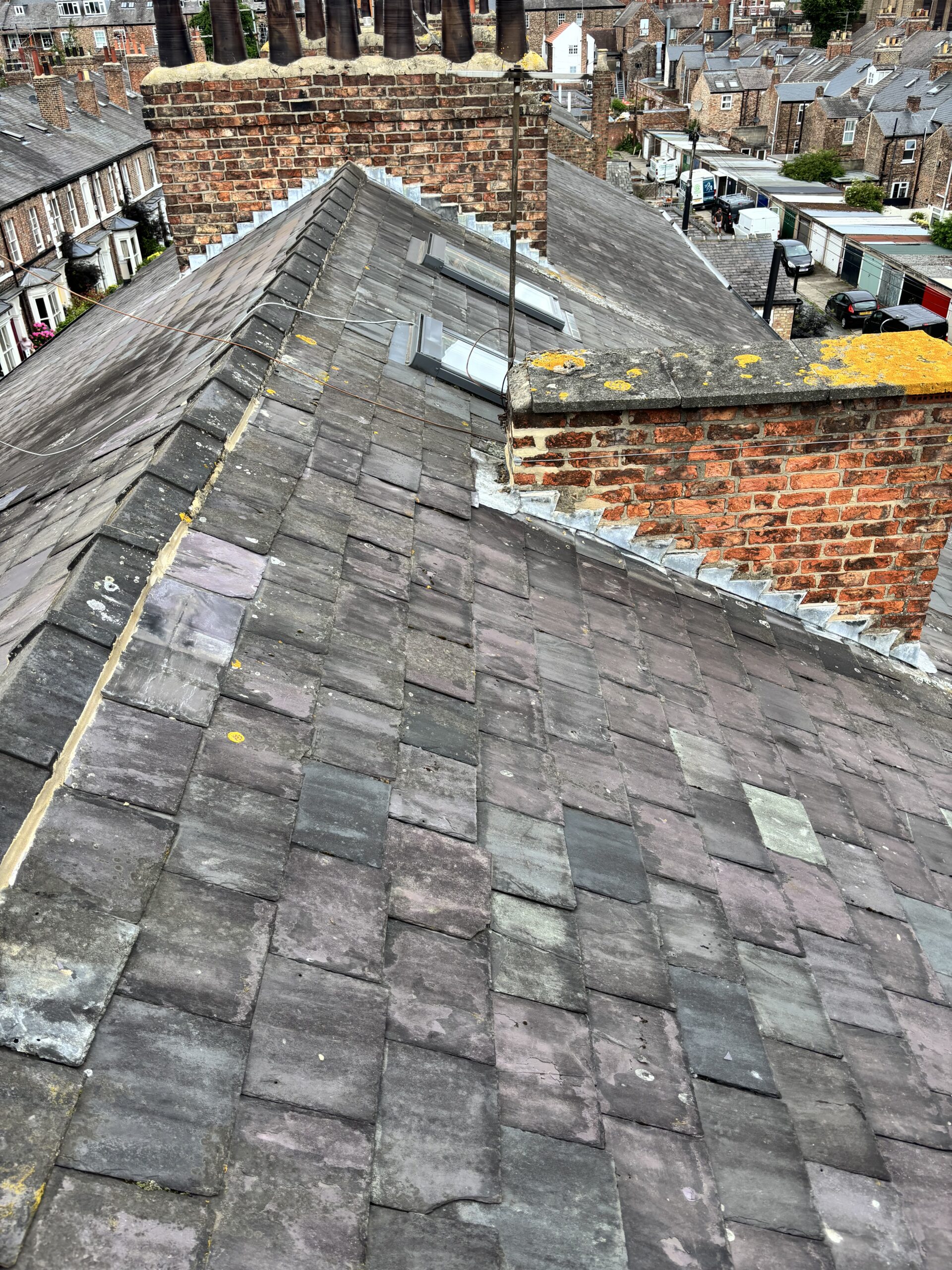
Poor Roof Workmanship in York | Surveyor Inspections
A surveyor-led guide explaining how poor roof workmanship in York is identified, how it differs [...]
02
Feb
Feb
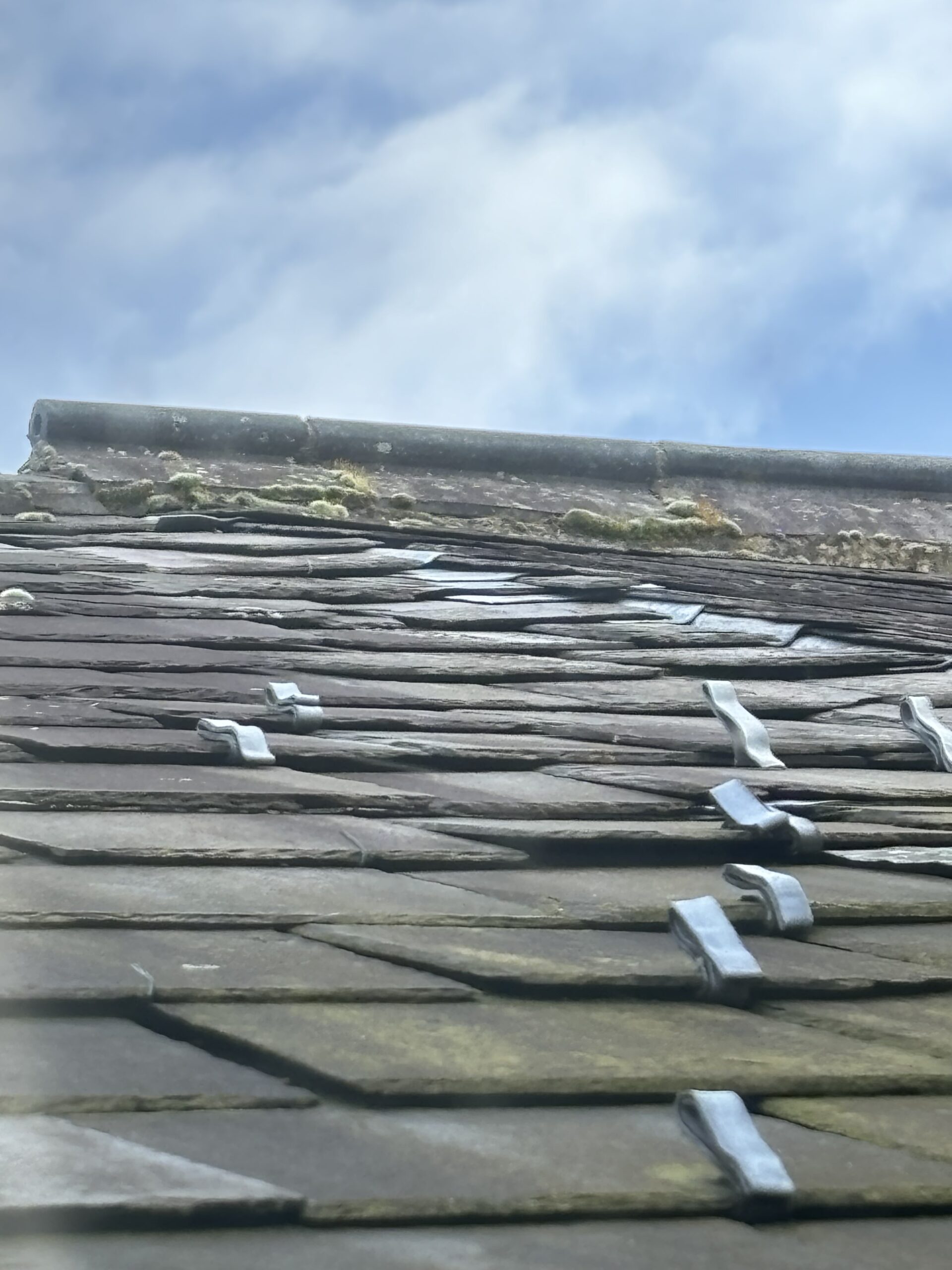
Poor Roofing Work in York | Independent Surveyor Guide
A detailed inspection-led guide explaining how poor roofing work in York is identified, why defects [...]
25
Jan
Jan
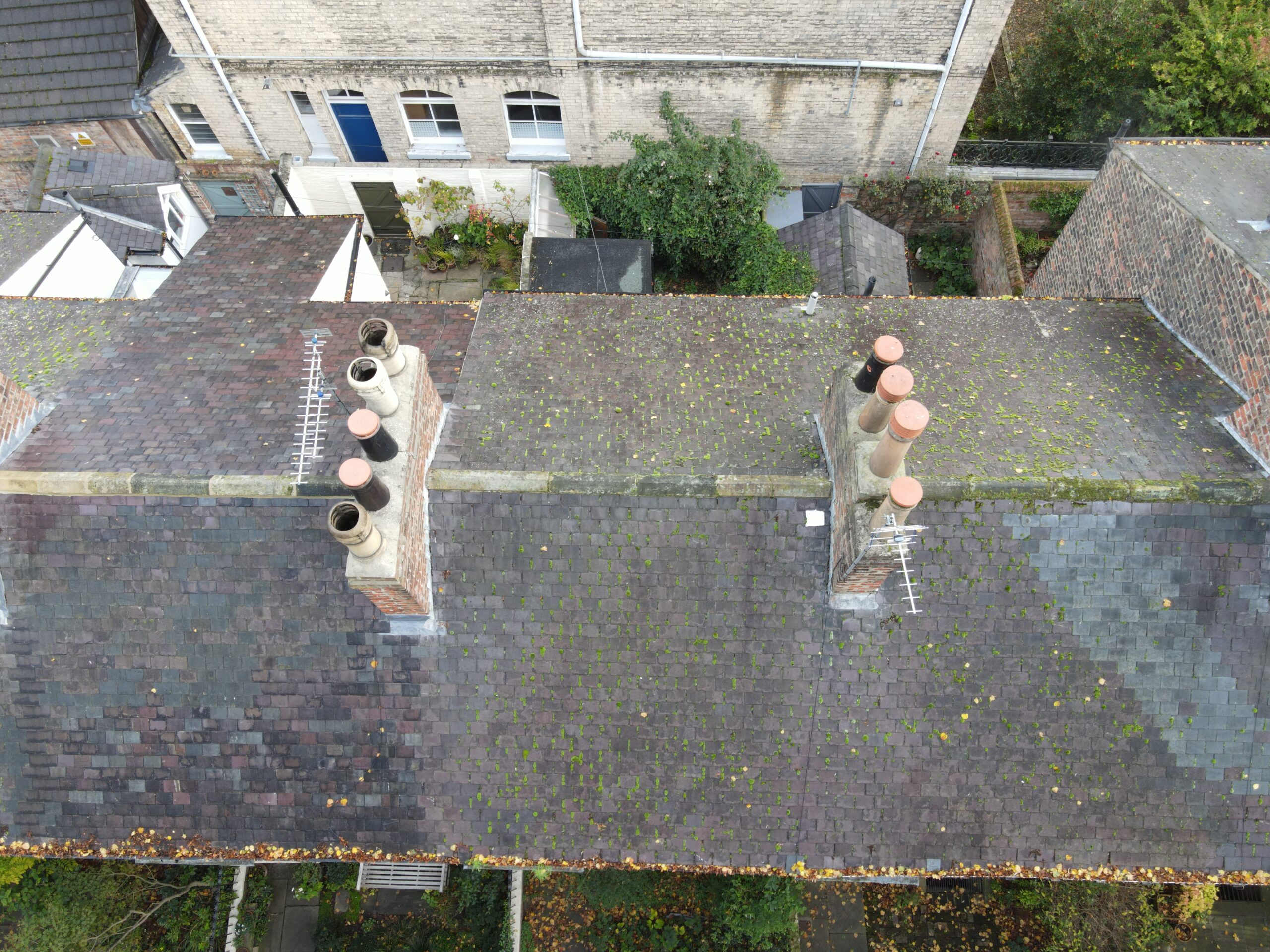
Party Wall Survey Guide | Strut
A Party Wall Survey under the Party Wall etc. Act 1996 prevents disputes during boundary [...]
01
Dec
Dec

Listed Building Survey Guide | Strut
A Listed Building Survey provides essential insight for owners and buyers of historic properties. Discover [...]
24
Nov
Nov

Building Safety Act 2022 Guide for Building Owners
A practical Building Safety Act 2022 Guide for domestic and commercial building owners, explaining time [...]
18
Nov
Nov

Snagging Survey Guide for New Builds | Strut
A Snagging Survey ensures your new-build home meets standards before the developer’s warranty expires. Discover [...]
17
Nov
Nov
