

 Why Strut
 Services
 Recent Surveys
 Locations
 Knowledge
 Contact
STRUT BUILDING SURVEYORS
Project Management
Strut Building Surveyors are a small group of highly experienced construction professionals with a varied background.
A Building Surveyor plays a crucial role in project management by ensuring that construction and renovation projects meet regulatory, safety, and quality standards.
Building Surveyors act as key problem-solvers and risk managers throughout a project, ensuring smooth execution while maintaining legal and safety standards.
Get in touch
Our Role a Building Surveyors
1. Pre-Construction Phase:
- Conducting site inspections and feasibility studies.
- Assessing building conditions and identifying potential risks.
- Advising on planning permissions, building regulations, and legal compliance.
2. Design & Planning:
- Reviewing architectural plans for compliance with regulations.
- Advising on materials, sustainability, and cost-effective solutions.
- Coordinating with architects, engineers, and contractors.
3. Construction & Project Execution:
- Monitoring site progress and ensuring work meets specifications.
- Conducting quality control checks and resolving technical issues.
- Managing timelines, budgets, and stakeholder communication.
4. Post-Construction & Maintenance:
- Conducting final inspections and issuing completion certificates.
- Advising on building maintenance and defect repairs.
- Ensuring ongoing compliance with health and safety regulations.
Project Management Surveyors
Why engage Strut Building Surveyors?
Engaging a Building Surveyor to manage a construction or renovation project offers clients expert oversight, risk mitigation, and cost control, ensuring the project runs smoothly, efficiently, and in compliance with regulations.
Unlike relying solely on a builder, a Building Surveyor provides independent, professional advice, ensuring work meets legal, structural, and quality standards rather than just being completed to a basic functional level.
We will oversee planning permissions, building regulations, and material choices, preventing costly mistakes or legal issues.
Additionally, a Strut Building Surveyor acts as a client advocate, ensuring contractors adhere to agreed specifications, budgets, and timelines, reducing the risk of delays, substandard workmanship, or unexpected expenses.
Our expertise in identifying potential issues early and providing practical solutions helps protect the project’s long-term integrity and value.
By contrast, a DIY approach often lacks the technical knowledge, regulatory understanding, and project management skills required to deliver a high-quality, compliant, and cost-effective result.
Contact Us
Owners
Client-centric approach for property owners.
Acquisition
Maximising value through knowledge.
Refurbishment
Effectively managing process and compliance.
Case Study | Grade II Listed Townhouse
Project Overview:
A client, a private property owner, purchased a Grade II listed Georgian townhouse located in a historic district. The townhouse, which had suffered years of neglect, was in need of significant restoration. The property was unique due to its architectural significance, including intricate stucco facades, original timber sash windows, and detailed stone masonry. Given its listed status, the client needed to adhere to strict heritage preservation regulations, making it a complex and delicate project.
Engagement of Strut Building Surveyors:
The client recognised the importance of preserving the building’s historical character while ensuring it was structurally safe for modern use. The decision was made to engage Strut Building Surveyors, specialists in the conservation and restoration of historic buildings. Their expertise was deemed essential to manage both the technical and legal aspects of working with a listed building.
Role of Strut Building Surveyors:
1. Initial Assessment & Survey: Strut Building Surveyors conducted an in-depth condition survey to assess the structure and materials of the building. They evaluated:
- The condition of external brickwork and stone facades.
- The structural integrity of the timber framing.
- The roofs, windows, and doors, which were suffering from rot and deterioration.
- The internal features, such as fireplaces, original flooring, and plasterwork.
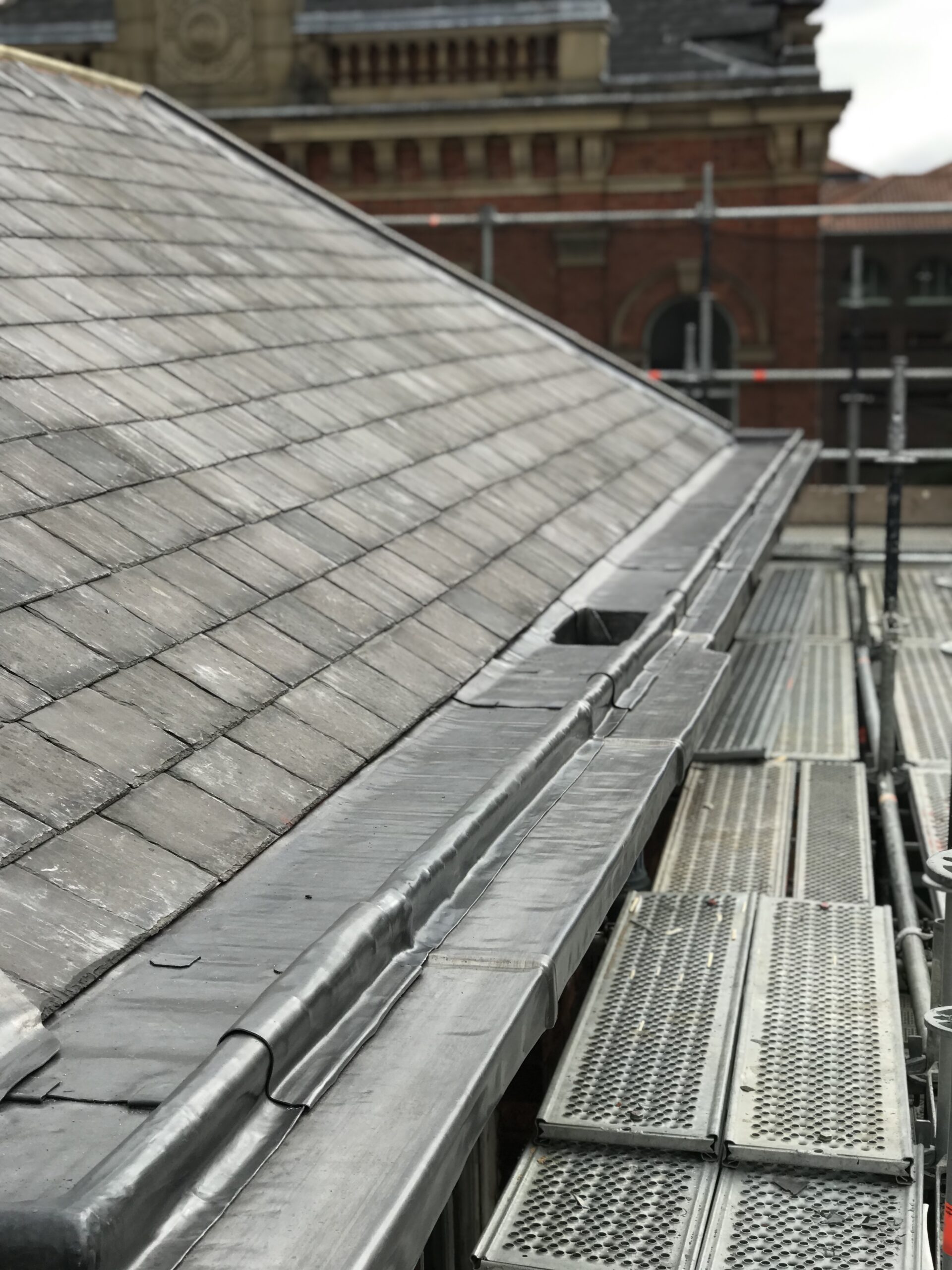
We identified key areas of concern including water ingress from damaged roof coverings and the deterioration of the decorative stucco work on the façade.
2. Compliance and Conservation Planning: Strut Building Surveyors liaised with heritage authorities (such as Historic England) and the local conservation officer to understand the regulatory framework governing the project. They advised the client on the necessary permissions and consents for the restoration work, including making sure that restorative work adhered to guidelines set out for listed buildings. The surveyors produced a detailed conservation planthat included:
- Preservation of key architectural features.
- Recommendations for compatible materials that matched the building’s original construction.
- Steps to ensure the historical accuracy of all repairs and reinstatements.
3. Procurement of Specialist Contractors: Given the unique requirements of restoring a listed building, the Strut Surveyors helped the client select experienced specialist contractors. This included stonemasons for repairing the stone façade, joiners for restoring the original timber windows, and plasterers skilled in traditional plaster techniques. Strut Building Surveyors were crucial in ensuring that contractors adhered to the restoration plan and used historically appropriate materials. Further, a major factor in the restoration process was a new roof covering, and we were tasked with finding an appropriate roofing contractor with a unique skill set to undertake the required installation inclusive of some intricate and decorative leadwork.
4. Project Management and Quality Assurance: Throughout the restoration process, Strut Building Surveyors monitored the work to ensure that it met both quality standards and regulatory compliance. They performed periodic inspections, managing scope creep, preventing substandard work, and addressing any issues that arose. For example, they spotted areas where the contractors were using modern materials that were incompatible with the original fabric of the building, advising them to source period-specific alternatives.
5. Final Inspections and Ongoing Maintenance: Once the restoration was complete, the Building Surveyors conducted final inspections to ensure that all work was completed to the highest standards. They provided the client with a maintenance plan, offering guidance on the ongoing care of the building to prevent future deterioration.
Contact us about Project Management Fabric Approved Contractors
STRUT BUILDING SURVEYORS
Building Surveyors
At Strut Building Surveyors, we believe every building has a story, and it’s our job to help you understand it.
Whether preserving history, ensuring compliance, or identifying hidden issues, we deliver expert insight with precision and care.
When it comes to your building, trust the surveyors who know its fabric inside and out.
Get in Touch
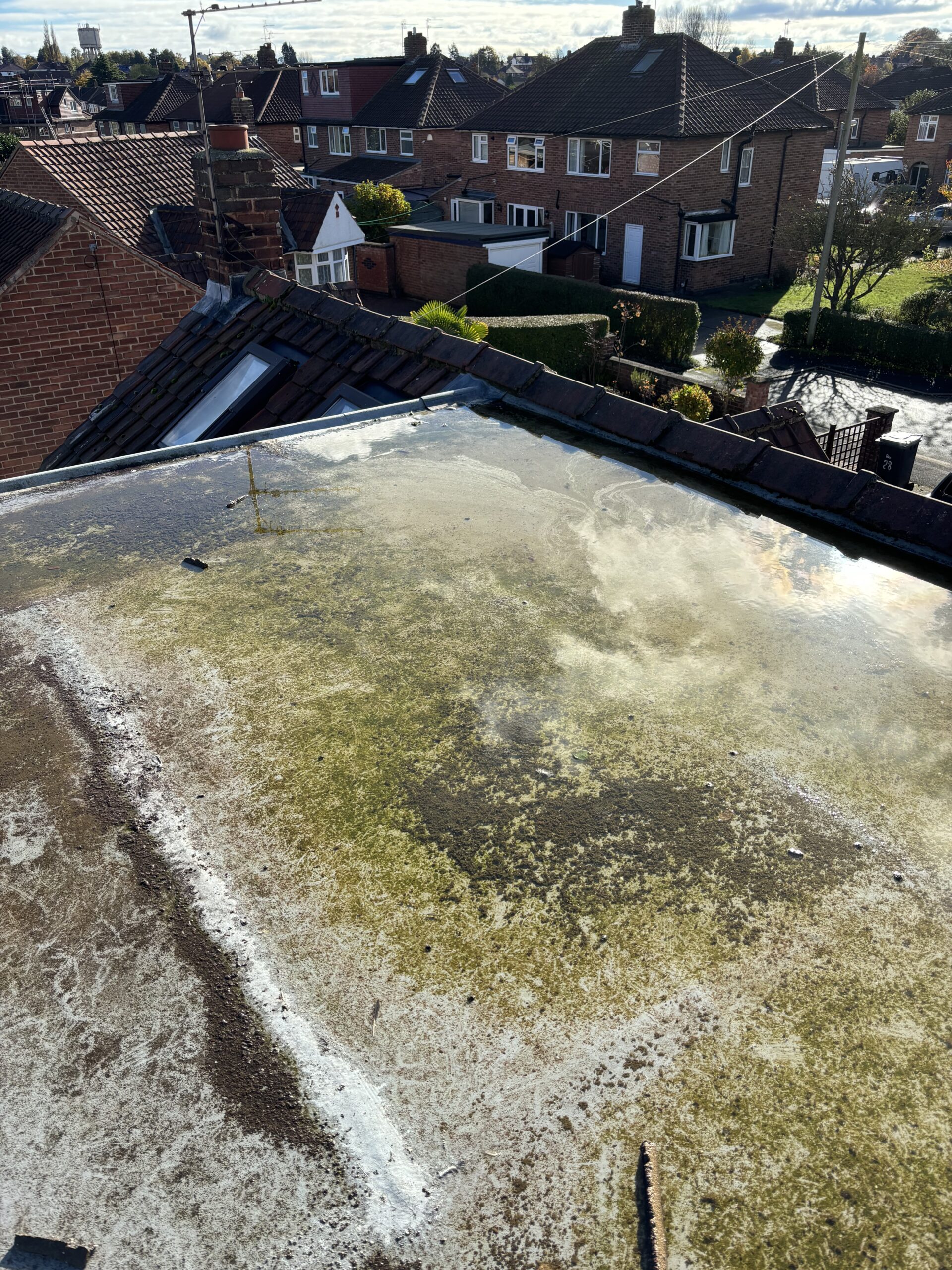
Flat Roof Defects in York | Surveyor Inspection Guide
A surveyor-led guide explaining flat roof defects in York, why membranes fail prematurely, how inspections [...]
02
Mar
Mar
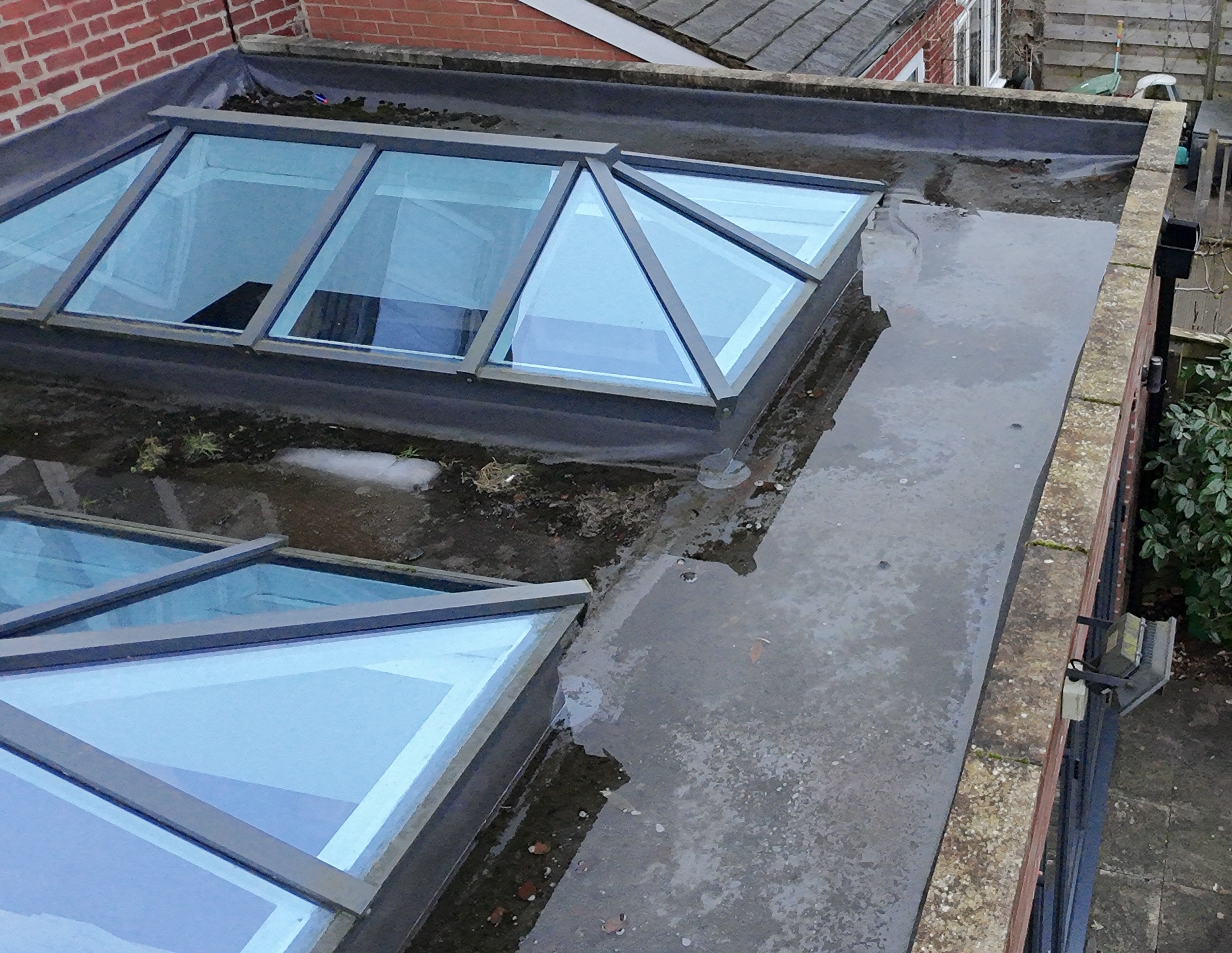
Leaking Roofs in York | Surveyor Inspection Guide
A surveyor-led guide explaining why leaking roofs in York are often misdiagnosed, how water travels [...]
23
Feb
Feb
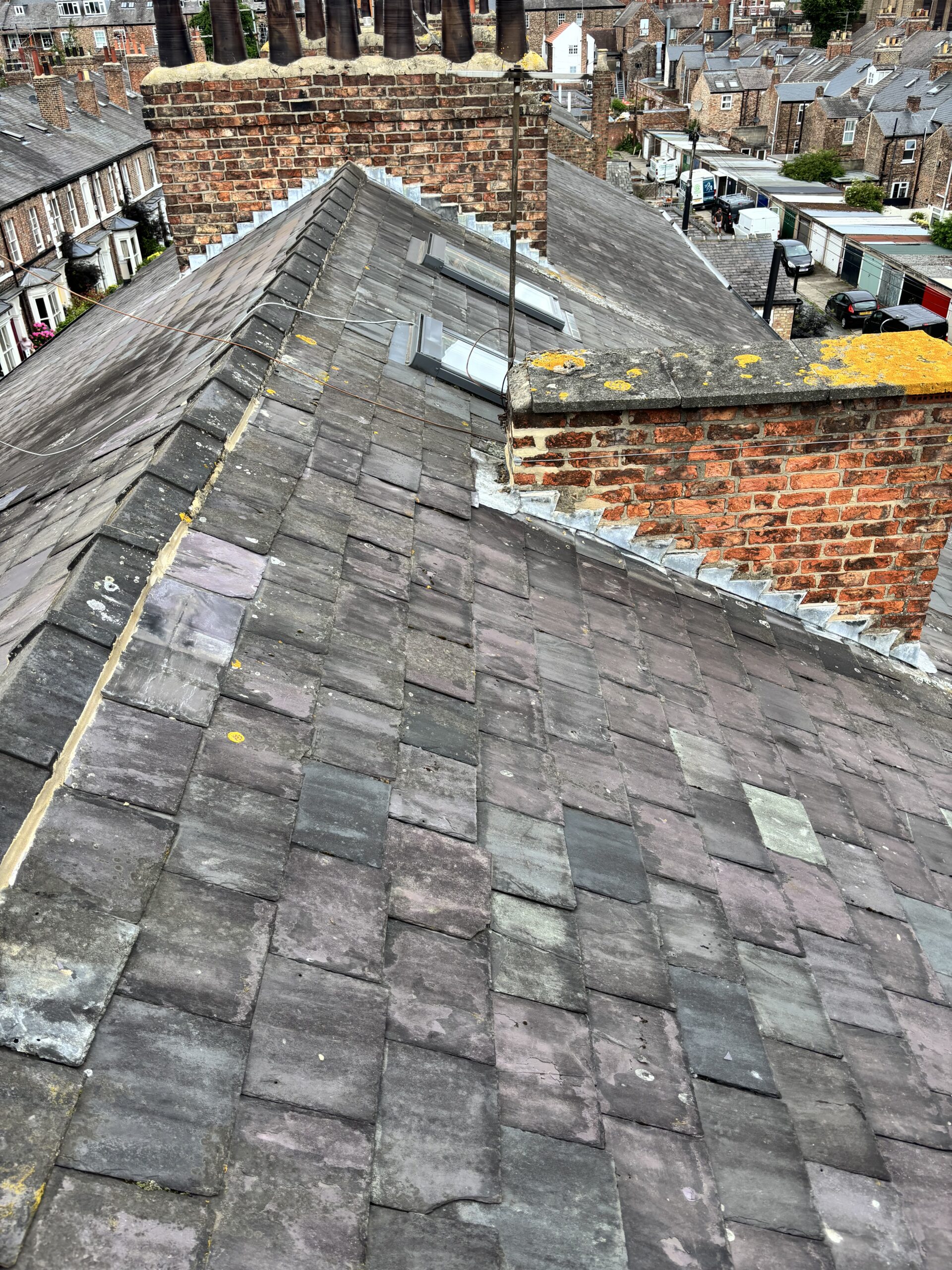
Poor Roof Workmanship in York | Surveyor Inspections
A surveyor-led guide explaining how poor roof workmanship in York is identified, how it differs [...]
02
Feb
Feb
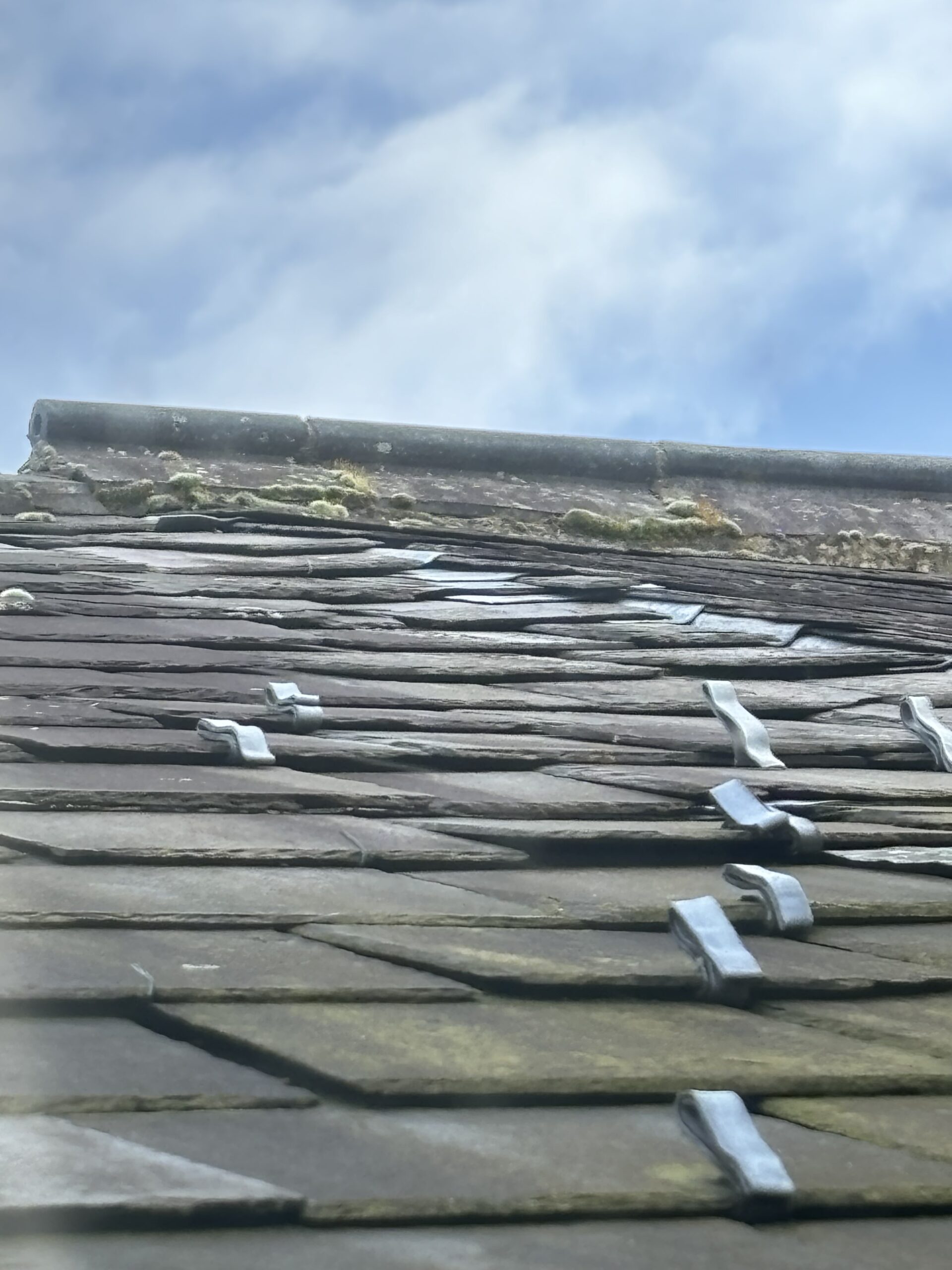
Poor Roofing Work in York | Independent Surveyor Guide
A detailed inspection-led guide explaining how poor roofing work in York is identified, why defects [...]
25
Jan
Jan
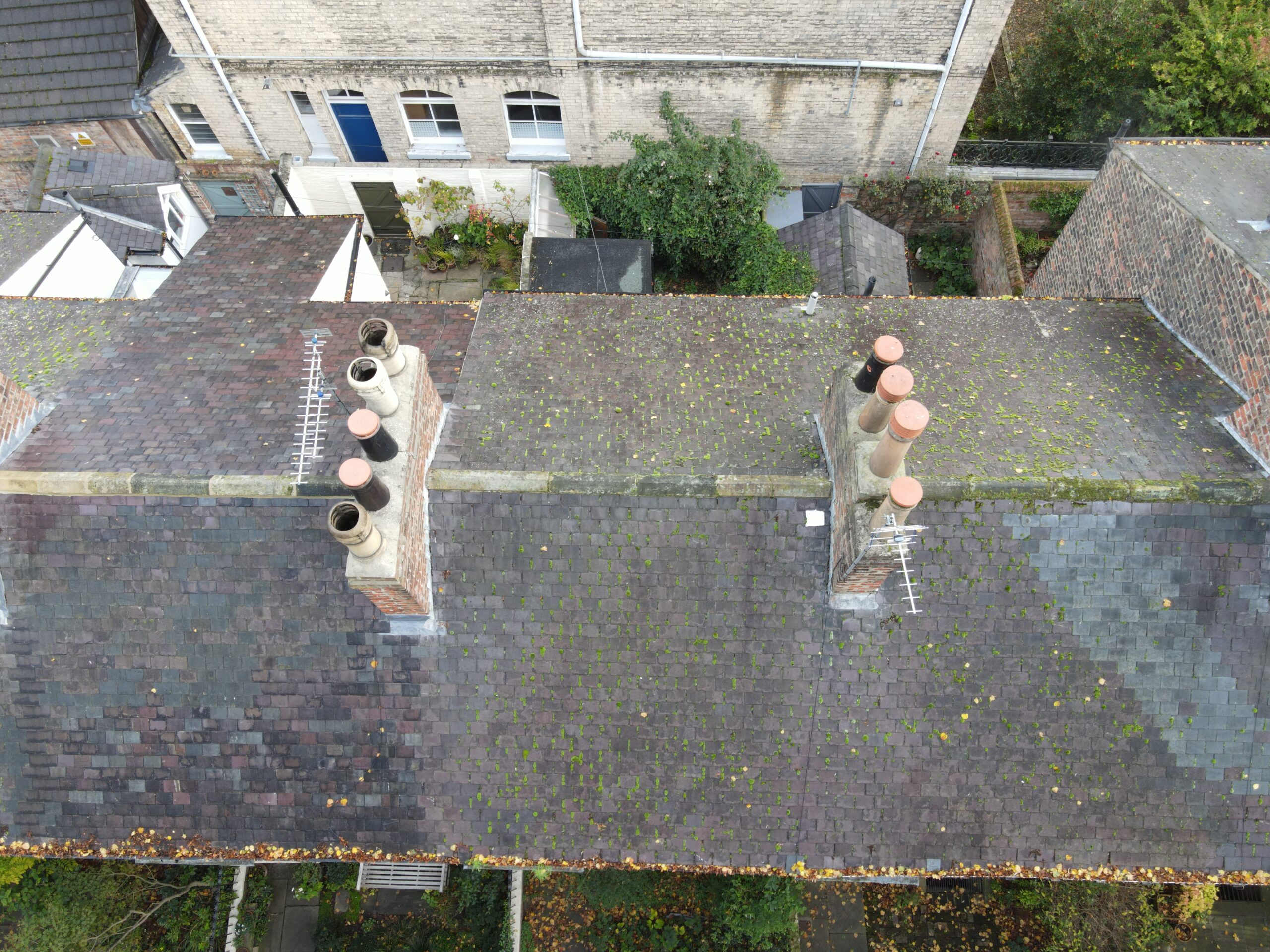
Party Wall Survey Guide | Strut
A Party Wall Survey under the Party Wall etc. Act 1996 prevents disputes during boundary [...]
01
Dec
Dec

Listed Building Survey Guide | Strut
A Listed Building Survey provides essential insight for owners and buyers of historic properties. Discover [...]
24
Nov
Nov

Building Safety Act 2022 Guide for Building Owners
A practical Building Safety Act 2022 Guide for domestic and commercial building owners, explaining time [...]
18
Nov
Nov

Snagging Survey Guide for New Builds | Strut
A Snagging Survey ensures your new-build home meets standards before the developer’s warranty expires. Discover [...]
17
Nov
Nov
