

 Why Strut
 Services
 Recent Surveys
 Locations
 Knowledge
 Contact
STRUT BUILDING SURVEYORS
Low-Pitch Zinc Roof Study — Participant Form
Research to reduce interstitial condensation risk in contemporary residential zinc roofs at low pitches.
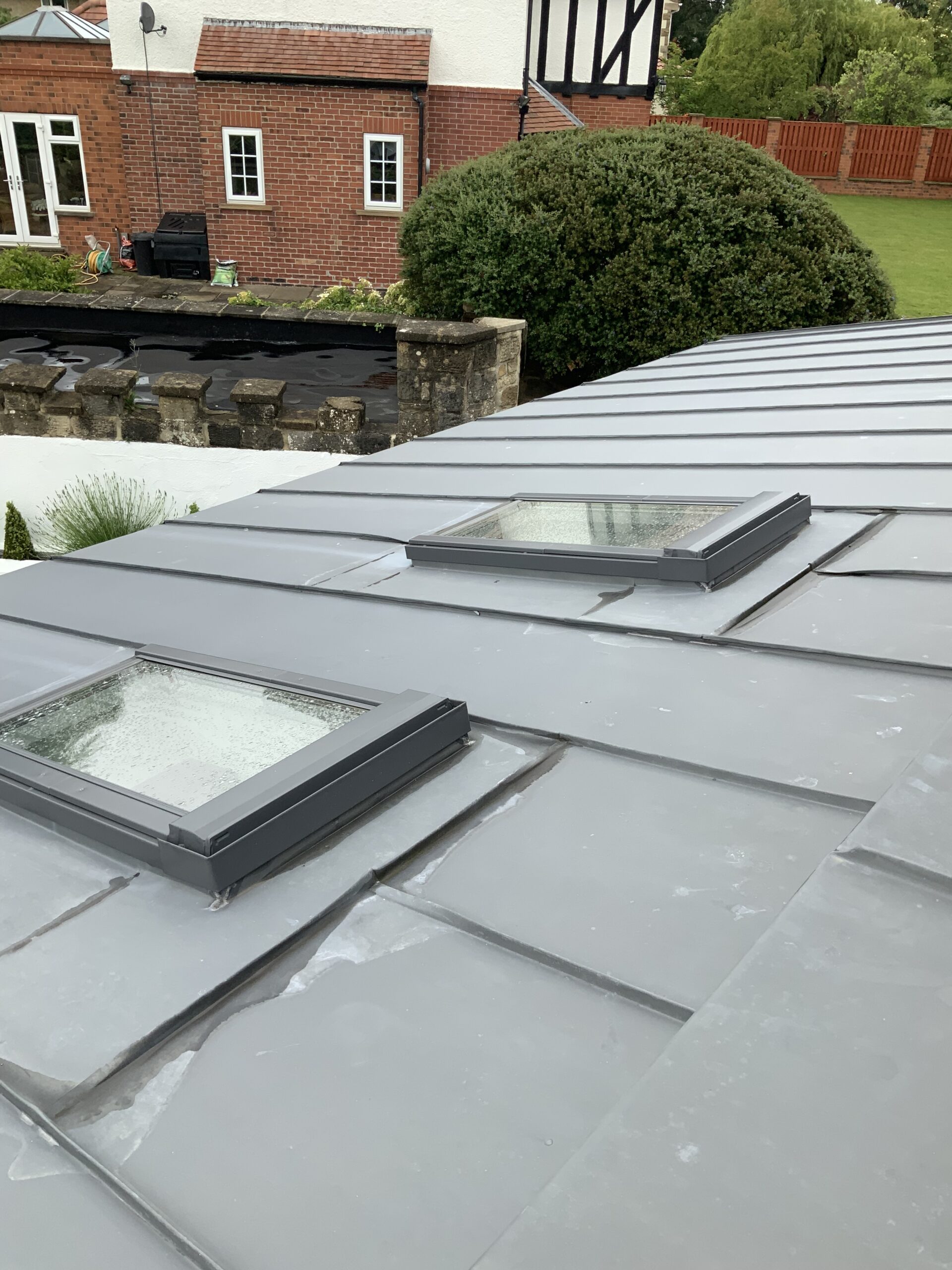
Research to reduce interstitial condensation risk in contemporary residential zinc roofs at low pitches.
Purpose: develop a practical framework to help designers and contractors avoid performance gaps in low-pitch zinc roofs by addressing interstitial condensation risk, VCL detailing, site sequencing and QA.
What’s involved: share project case data (defect-free or defect-affected) and relevant documents (design packs, specs, O&M, site photos) and/or opt into a short professional interview (~30–60 mins).
Ethics & privacy: voluntary participation; data minimisation; secure encrypted storage until assessment/award + 12 months; your chosen anonymisation preference is applied in reporting.
Contact us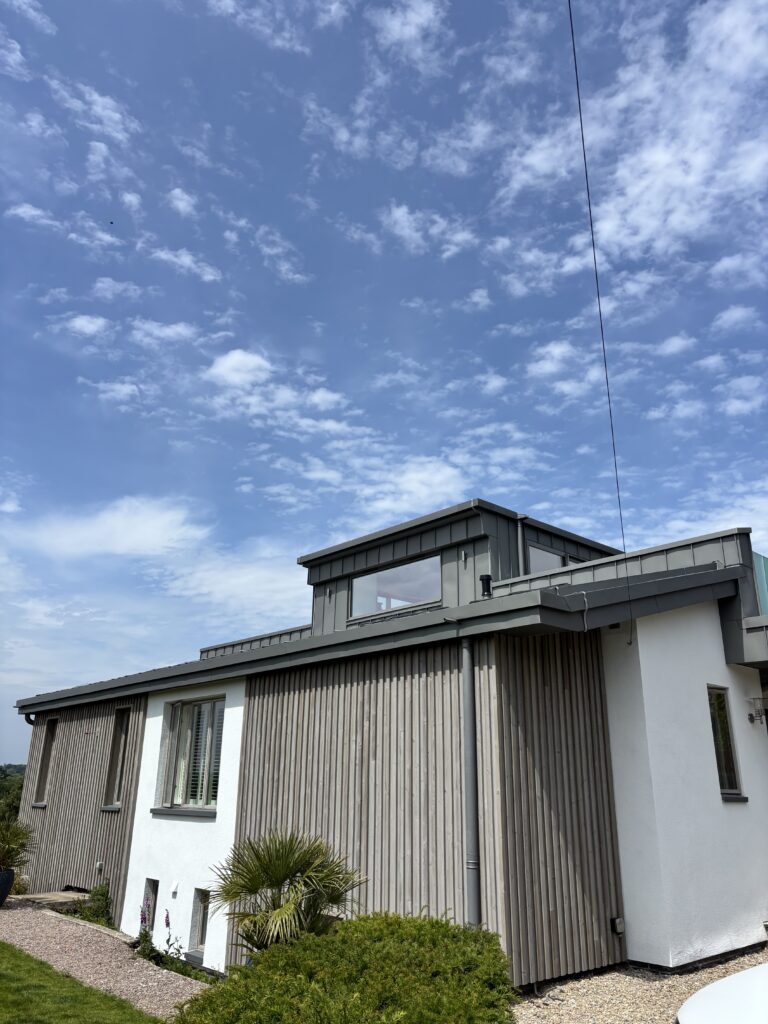
Complete the consent section first to unlock the rest of the form. You can provide multiple projects and upload supporting documents.
Zinc roofs rarely “fail” because of the metal itself; most problems start in the layers you don’t see. The biggest single cause is interstitial condensation: warm, moisture-laden indoor air leaks through gaps at service penetrations, laps or edges and meets a cold surface within the build-up. At low pitches (typically 5–10°), drying potential is reduced and even small discontinuities in the vapour control layer (VCL) can lead to seasonal wetting cycles. Trapped moisture raises timber moisture content, softens adhesives, and drives underside corrosion of the zinc (often seen as white bloom, blistering, or local perforation) long before the outer surface shows distress.
Design and sequencing choices amplify the risk. Common triggers include: an ill-defined airtight layer; VCLs with low Sd values or incomplete taping; mis-specified or missing ventilation paths; wet decks from winter builds or lack of a temporary roof; incompatible substrates or underlays; thermal bridges at joists and fixings; and complex interfaces (eaves, valleys, abutments, rooflights, flues, PV brackets) that interrupt drainage or the air/vapour layers.
At very low pitches, backfalls, ponding, and capillary draw at seams can accelerate underside corrosion and staining on internal finishes. Materials compatibility matters too: preservative-treated timbers, cementitious residues, and certain bituminous products can attack zinc; mixed metals at clips and fixings can cause bimetallic corrosion.
Early warning signs include damp staining to soffits and ceilings, musty odours, dripping on cold mornings, white rust on the zinc underside, elevated timber MC readings, and localized oil-canning where the substrate has moved. Prevention is largely procedural: choose a build-up with a clearly defined airtight/VCL plane and adequate Sd; maintain continuity at all junctions; detail penetrations with tested components; ensure correct underlay/separation layers and drainage paths; keep decks dry (use a temporary roof where needed); and verify with air-tightness checks and targeted moisture measurements. For higher-risk build-ups, transient hygrothermal modelling and a site QA plan (photos, sign-offs, as-built records) provide further assurance. Good design, dry construction, and diligent workmanship are the best insurance against zinc roof failure.
A widely used metal for roofing.
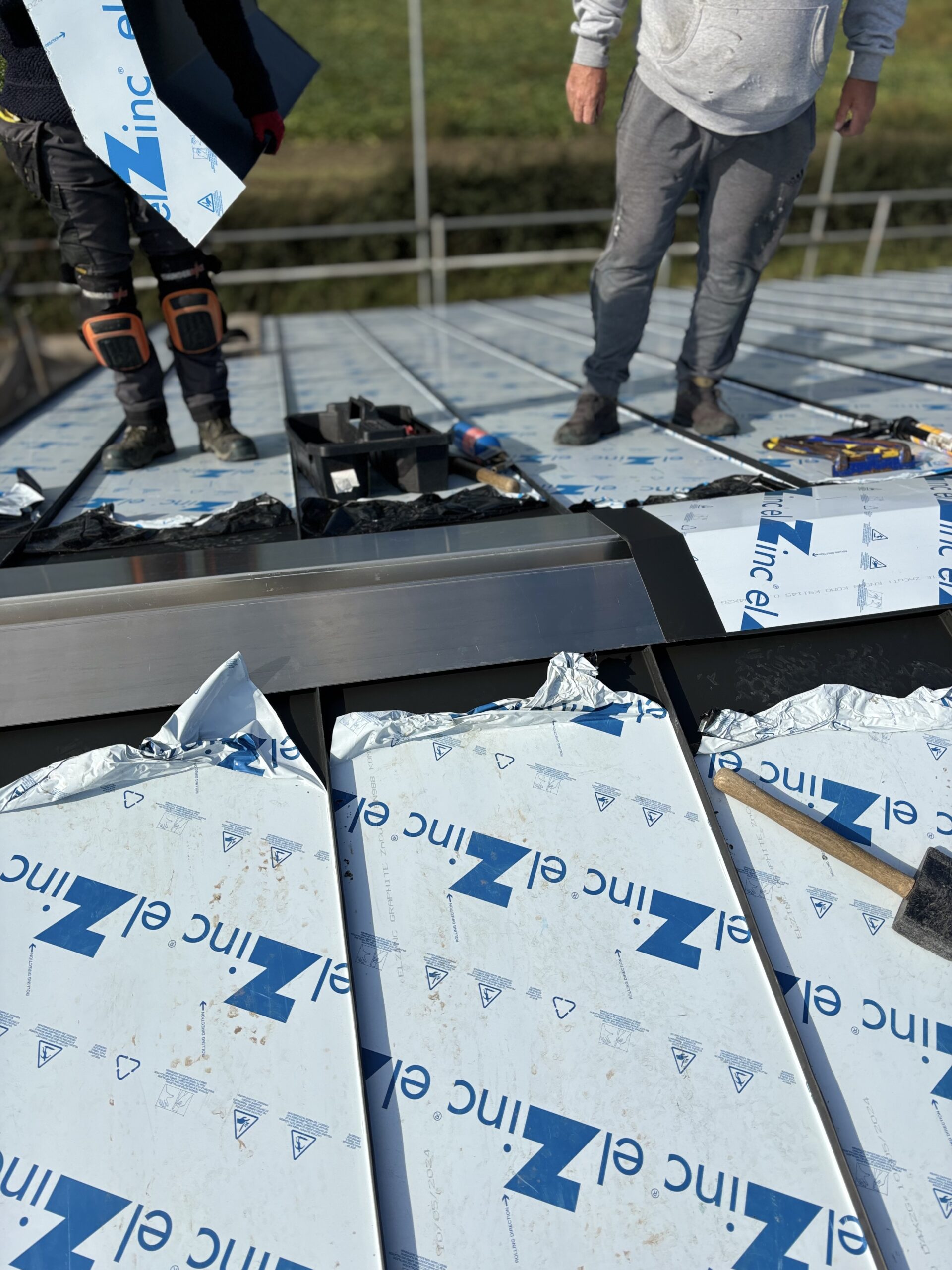
Performance at low pitches.
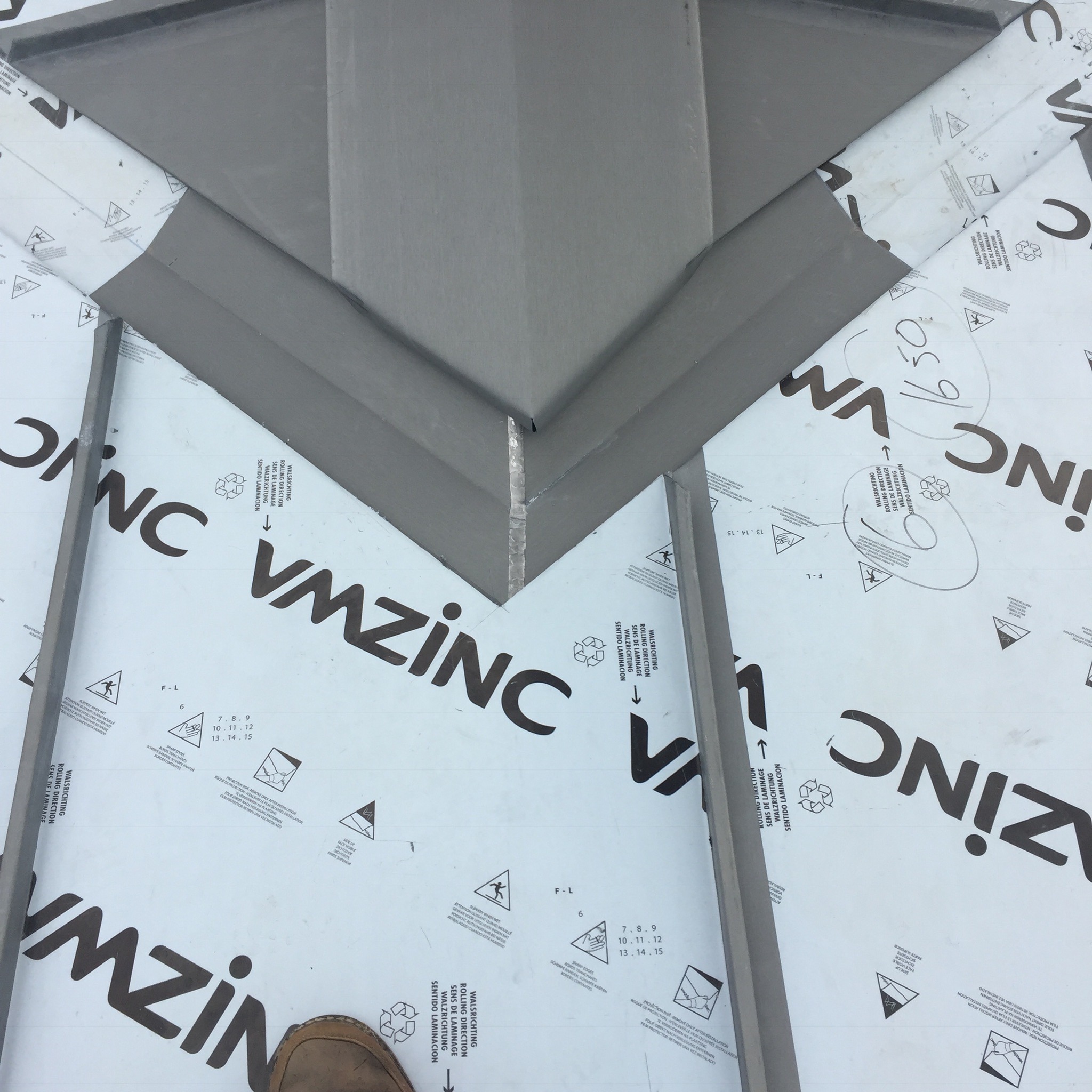
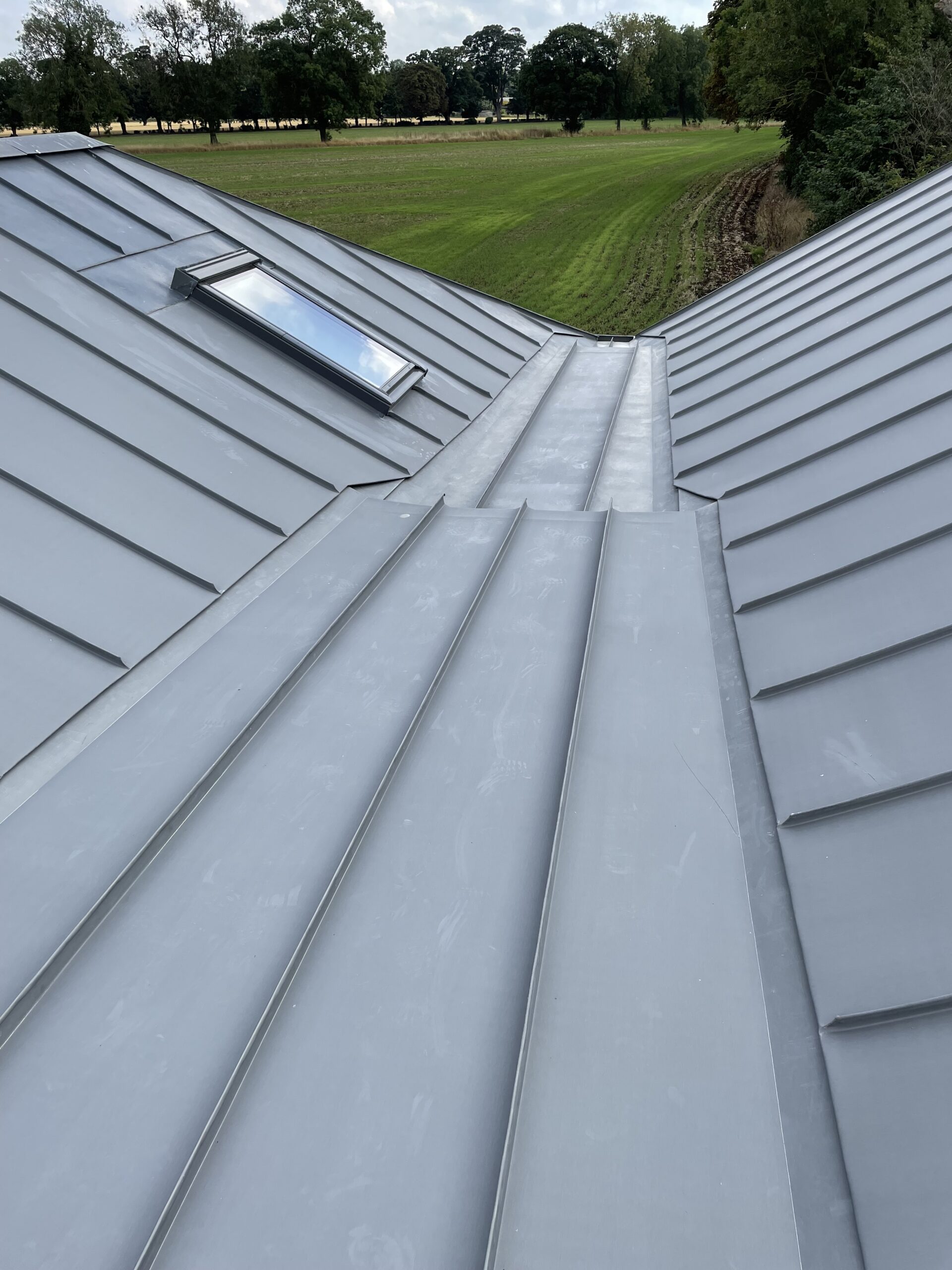
Effective control measures are needed.
At Strut Building Surveyors, we believe every building has a story, and it’s our job to help you understand it.
Whether preserving history, ensuring compliance, or identifying hidden issues, we deliver expert insight with precision and care.
When it comes to your building, trust the surveyors who know its fabric inside and out.
Get in Touch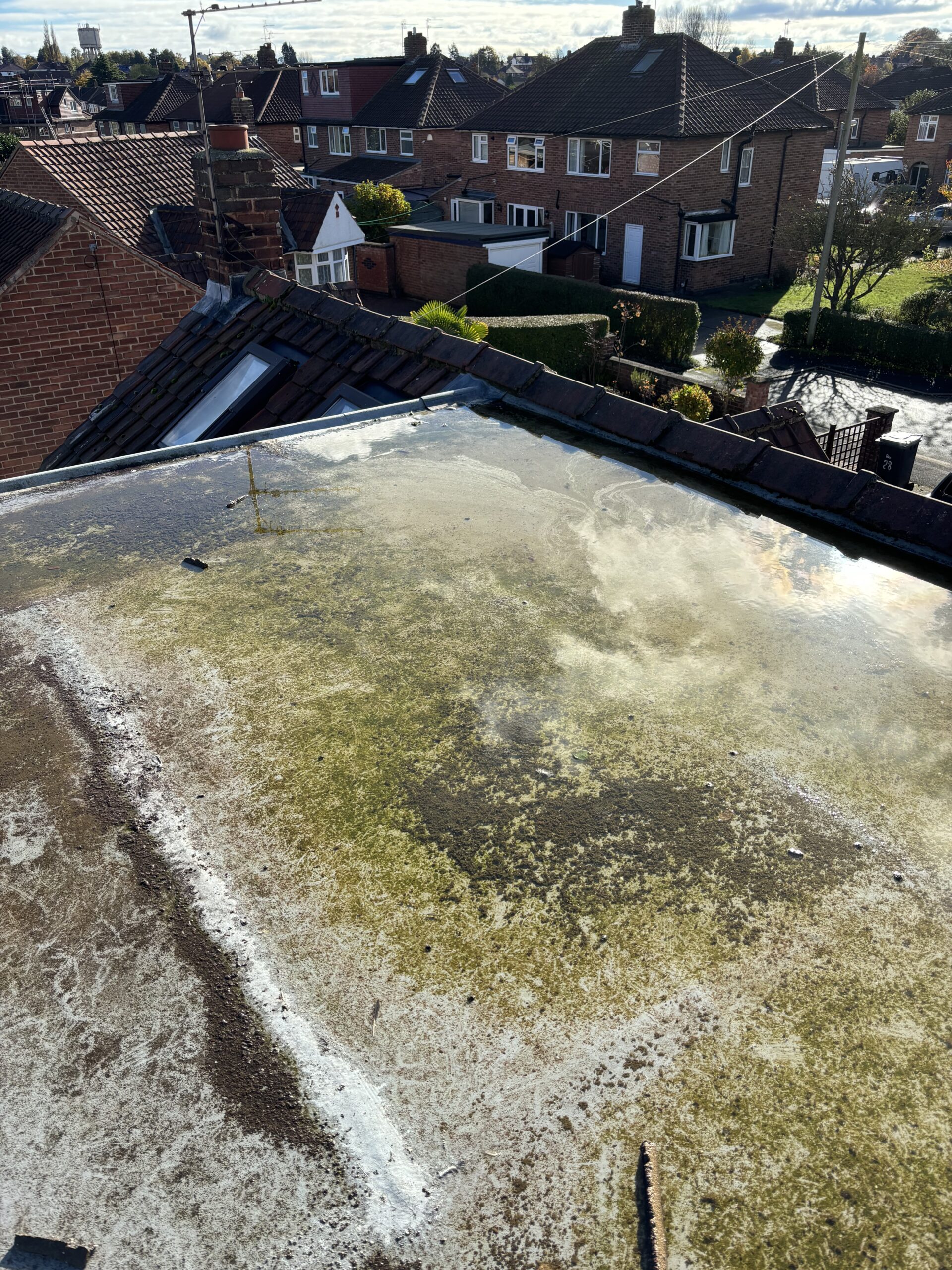
A surveyor-led guide explaining flat roof defects in York, why membranes fail prematurely, how inspections [...]
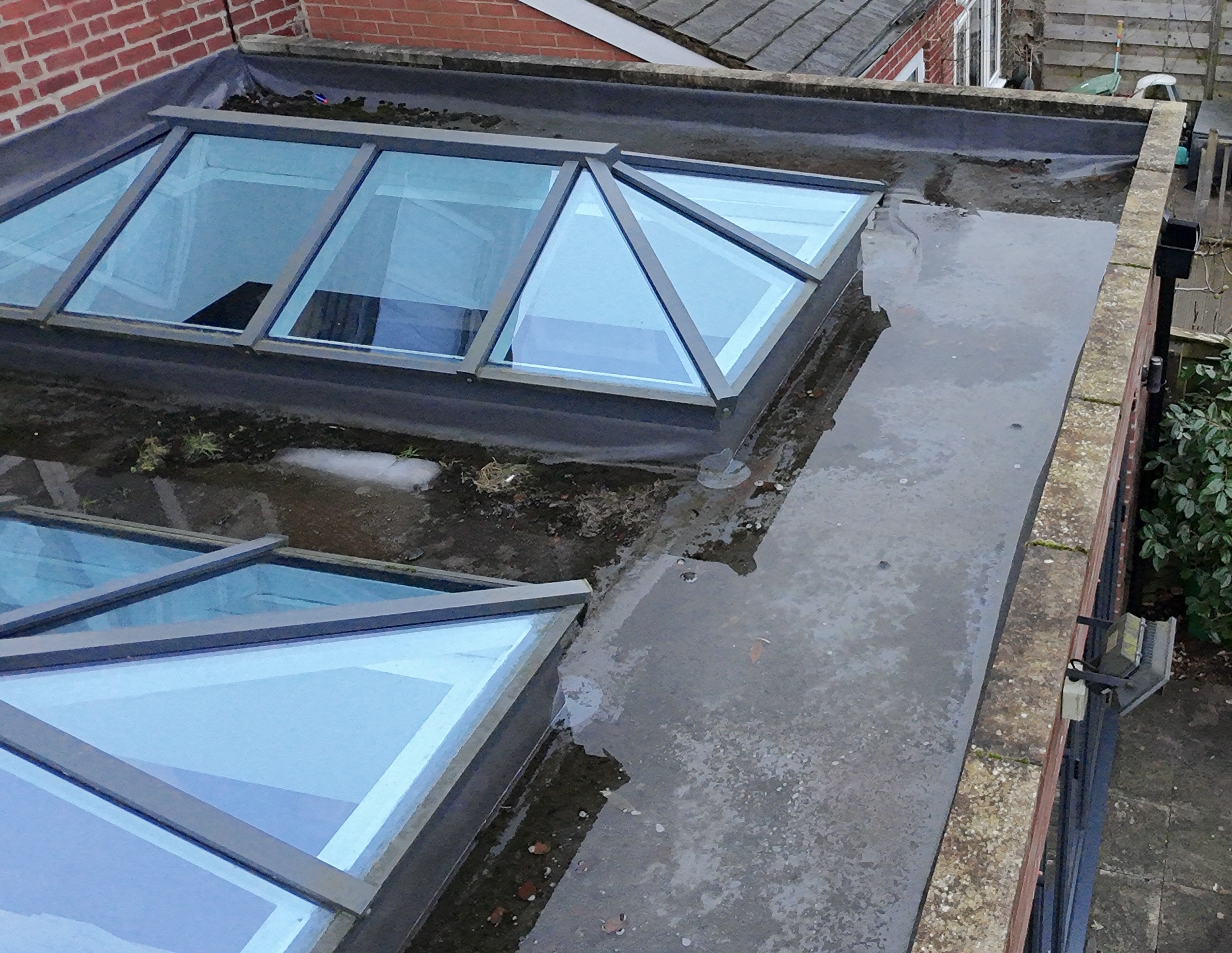
A surveyor-led guide explaining why leaking roofs in York are often misdiagnosed, how water travels [...]
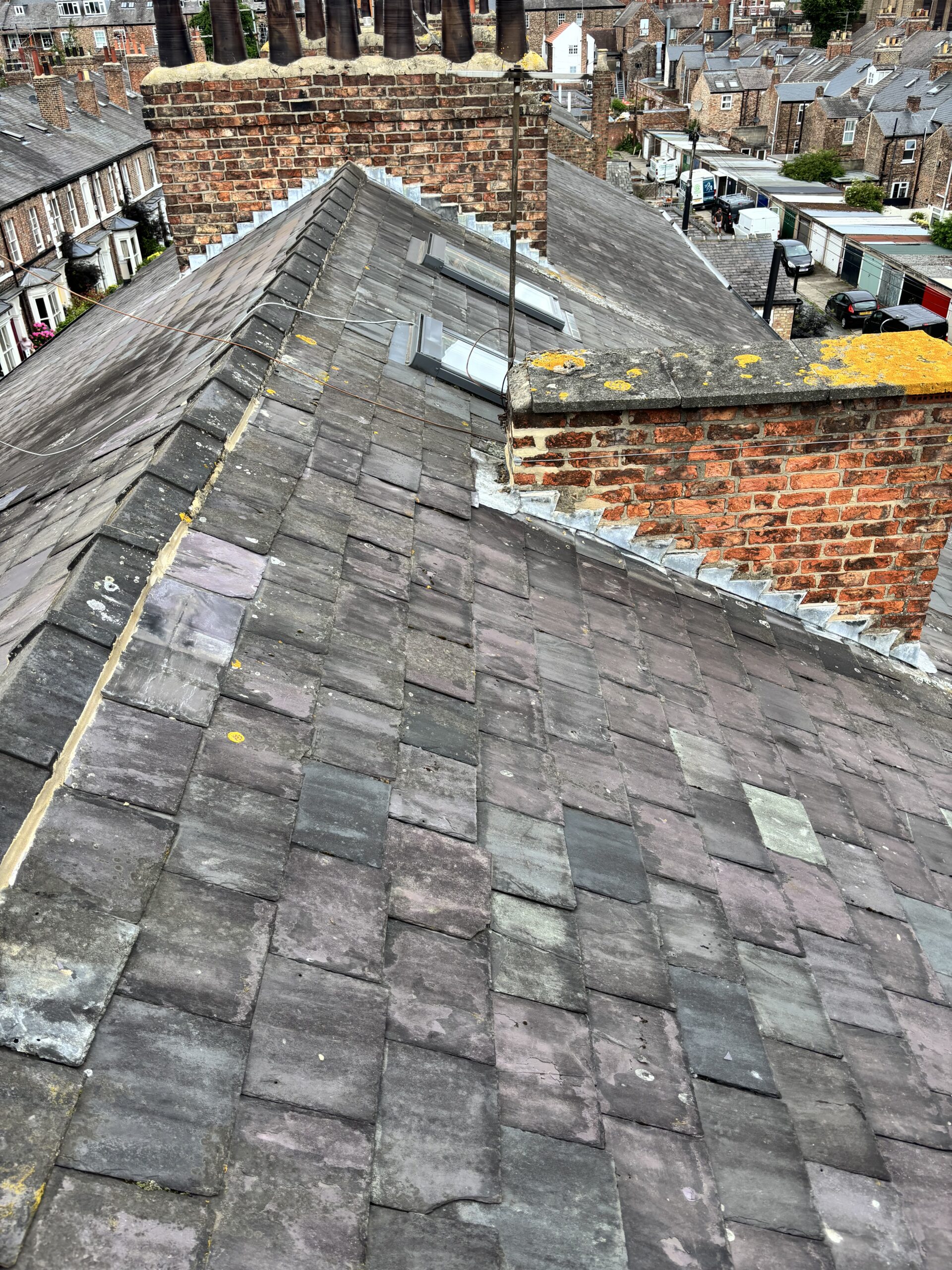
A surveyor-led guide explaining how poor roof workmanship in York is identified, how it differs [...]
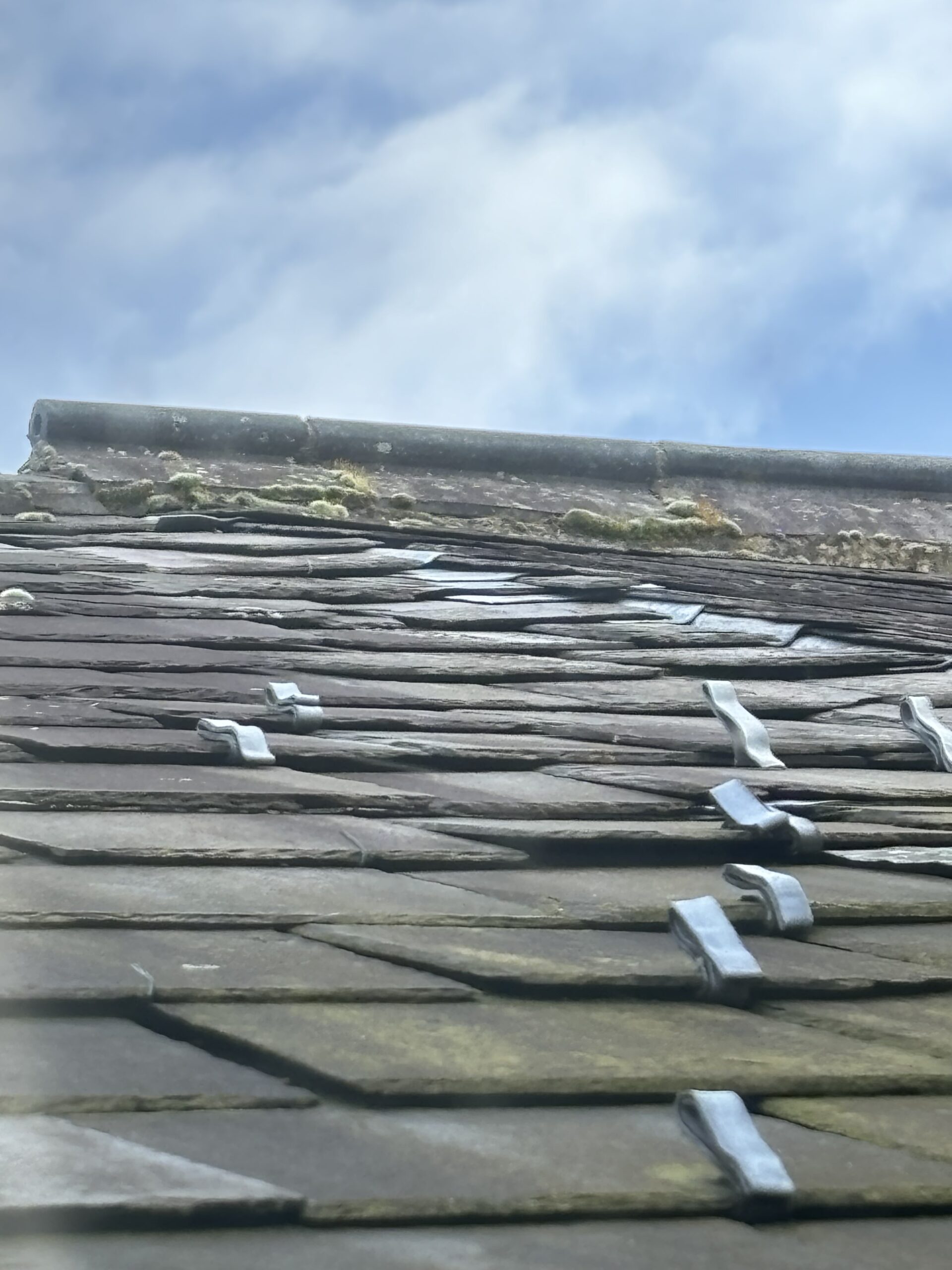
A detailed inspection-led guide explaining how poor roofing work in York is identified, why defects [...]
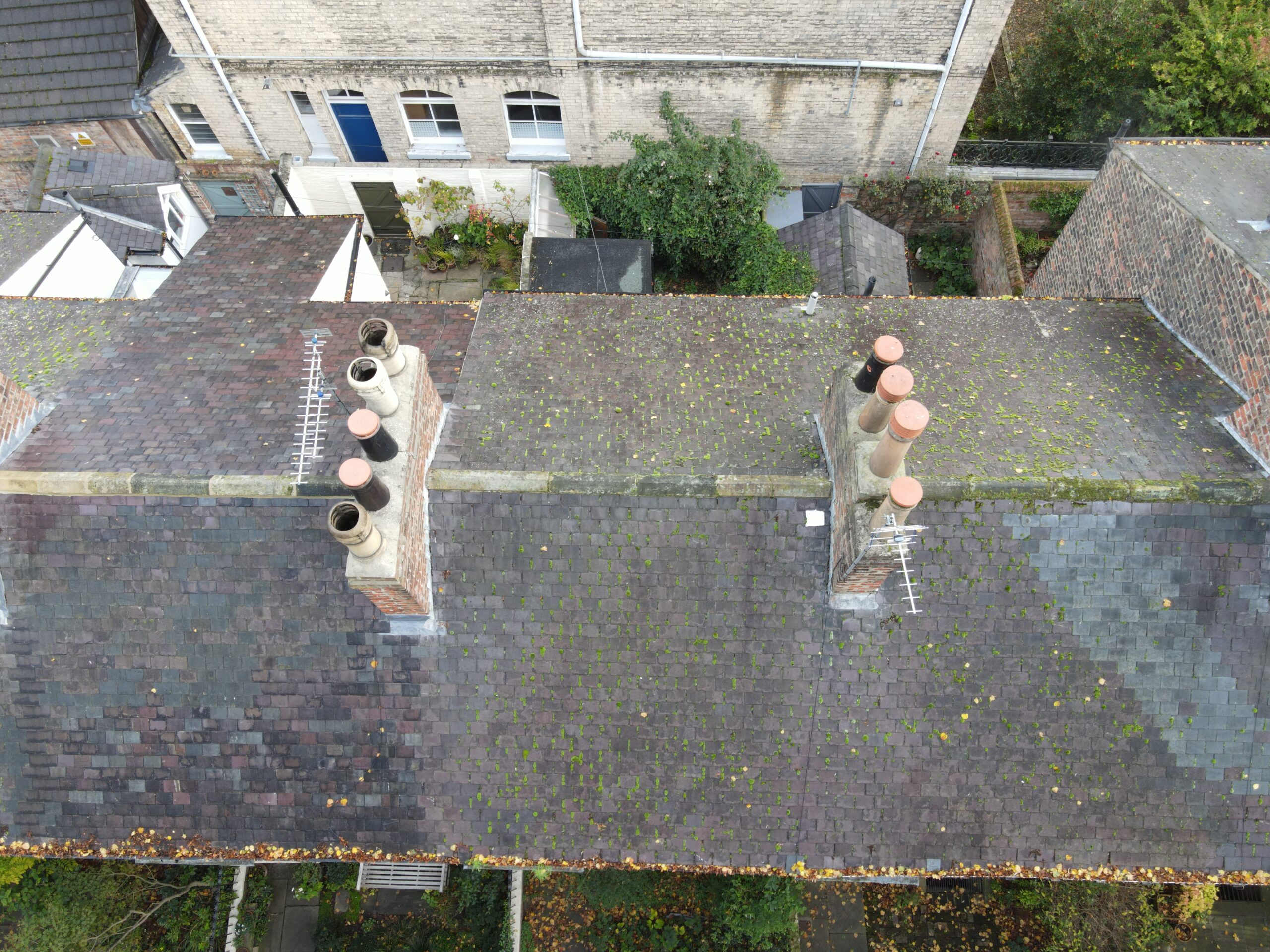
A Party Wall Survey under the Party Wall etc. Act 1996 prevents disputes during boundary [...]

A Listed Building Survey provides essential insight for owners and buyers of historic properties. Discover [...]
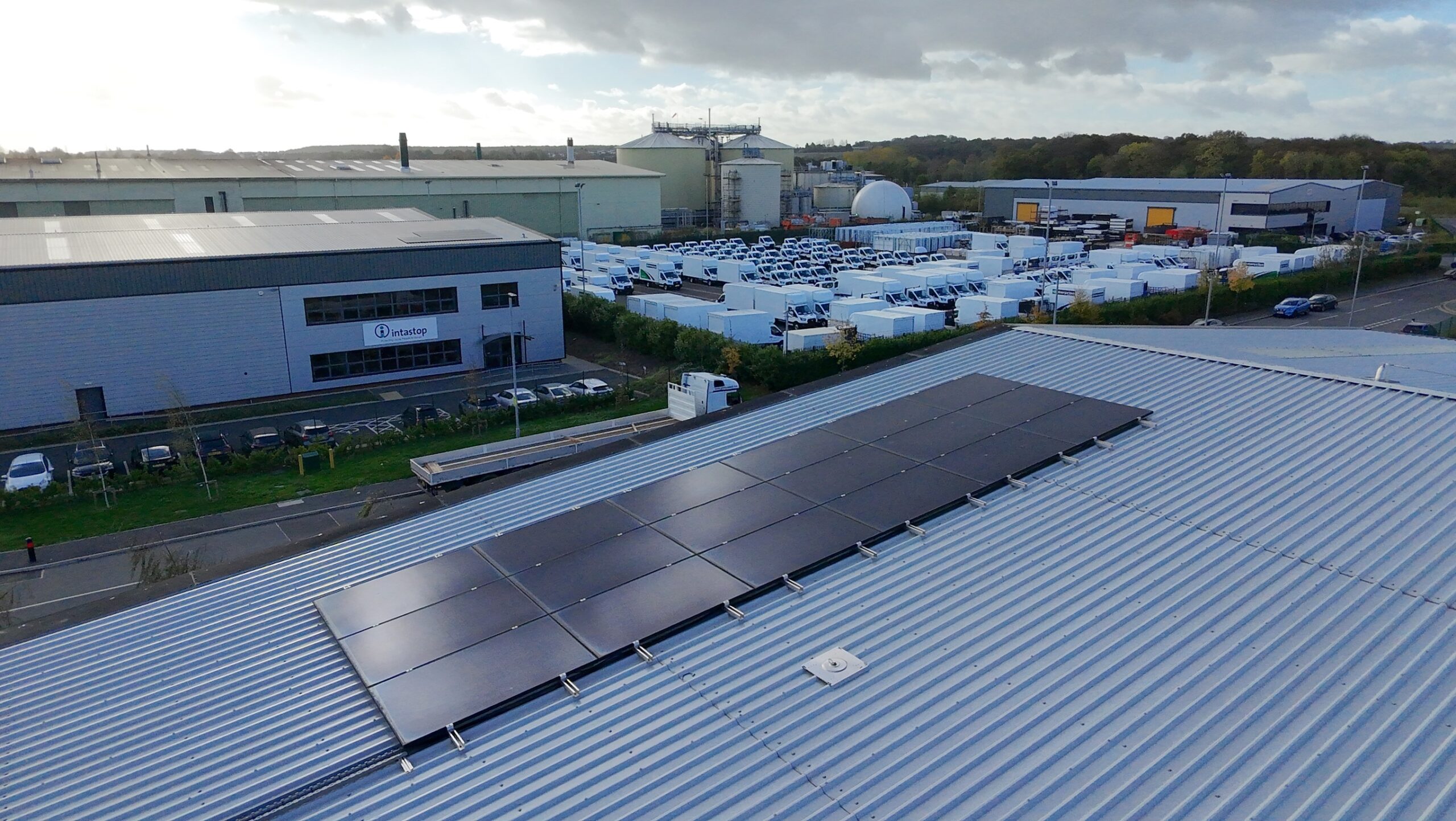
A practical Building Safety Act 2022 Guide for domestic and commercial building owners, explaining time [...]

A Snagging Survey ensures your new-build home meets standards before the developer’s warranty expires. Discover [...]

