

 Why Strut
 Services
 Recent Surveys
 Locations
 Knowledge
 Contact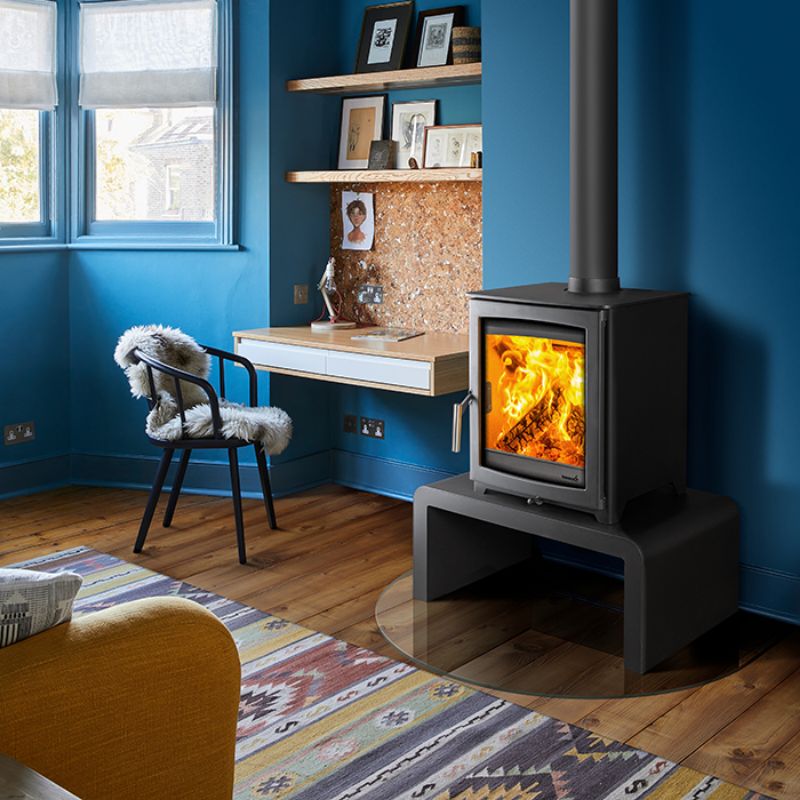
Wood-burning stoves are now a common feature in homes across the UK. For a purchaser, however, the presence of a stove introduces several additional matters that should be considered alongside the wider condition of the property.
The appliance itself is only one part of the installation. The condition of the chimney, flue, hearth, ventilation arrangements, surrounding combustible materials and visible alterations to the building can all affect safety, performance and future repair liability.
A building survey can help identify visible concerns before purchase and determine whether further specialist investigation should be recommended.
Wood-burning installations should be considered as part of the wider building, including the chimney, hearth, ventilation and surrounding construction.
Buying a Home with a Wood Burner: What Should You Check?
When inspecting a property containing a wood-burning or multi-fuel stove, the objective is not simply to establish whether the appliance appears to work. The installation should be considered in the context of the building as a whole.
Visible evidence can indicate whether further enquiries, documentation or specialist inspection are appropriate before contracts are exchanged.
Surveyor’s perspective: a building survey is not normally a commissioning test of the stove or flue. Where safety, compliance or concealed flue condition cannot be established visually, further inspection by an appropriately competent solid-fuel specialist may be recommended.
1. Check the Installation History and Documentation
One of the first questions is when the stove was installed and whether documentation is available.
Depending upon the age and circumstances of installation, useful information may include:
- Building Regulations compliance documentation.
- A competent-person installation certificate where applicable.
- The stove manufacturer’s installation instructions.
- Previous servicing or maintenance records.
- Records of chimney sweeping.
- Details of any chimney liner or flue system installed.
The absence of paperwork does not automatically mean that an installation is defective, but it can create uncertainty for a purchaser. Where documentation cannot be produced, the physical installation should be considered carefully and further specialist inspection may be appropriate.
2. Inspect the Stove and Hearth
The visible condition of the appliance can provide useful indications of age, maintenance and previous use.
A surveyor may note matters such as:
- Cracking or distortion to the stove body.
- Damaged doors, seals or glazing.
- Corrosion or deterioration.
- Loose or poorly supported flue connections.
- Damage or cracking to the hearth.
- Potentially inadequate separation from combustible construction.
- Signs of overheating to nearby finishes or materials.
The hearth and surrounding construction are particularly important because the installation must manage both heat and the potential escape of burning material.
Approved Document J provides guidance relating to combustion appliances, hearths, fireplaces, flues and chimneys in England.
3. Chimney and Flue Condition
The chimney and flue are critical components of any solid-fuel installation. Problems may not always be visible from within the room containing the stove, so the chimney should also be considered externally and, where accessible, within roof spaces.
Potential warning signs include:
- Deteriorated chimney masonry or pointing.
- Defective flashings around the chimney stack.
- Cracked or deteriorated chimney pots and terminals.
- Evidence of water penetration around the chimney breast.
- Black or brown staining associated with combustion deposits.
- Salt deposits or persistent dampness.
- Poorly supported or visibly damaged flue components.
Chimneys form part of the wider building envelope. Defective flashings, masonry, flaunching or weathering can therefore result in both moisture ingress and deterioration of the flue system.
Where wider chimney deterioration is evident, a more focused Specific Defect Survey may be appropriate.
4. Does a Wood Burner Need a Chimney Liner?
It is sometimes assumed that every wood-burning stove must have a stainless-steel flexible liner. That is not necessarily the case.
The suitability of a chimney depends upon its construction, condition, dimensions, route and compatibility with the appliance. Some installations use flexible liners, while others may utilise suitable masonry flues, clay systems or factory-made chimney systems.
A surveyor should therefore avoid assuming that the absence of a visible stainless-steel liner automatically indicates non-compliance.
Where the condition, route or suitability of a concealed flue cannot be confirmed, further examination by a competent specialist may be recommended. This can include inspection, testing or camera examination where appropriate.
5. Ventilation and Air Supply
Solid-fuel appliances require an adequate supply of combustion air.
Insufficient air supply can adversely affect combustion and may increase the risk of smoke or combustion gases entering the room.
During a building survey, consideration may therefore be given to:
- Permanent ventilation openings.
- Air bricks or dedicated combustion-air vents.
- Signs that vents have been blocked or covered.
- Modern airtightness improvements that may have altered the original ventilation arrangement.
- Mechanical extract systems that could affect pressure within the dwelling.
Ventilation requirements depend upon the appliance and building circumstances. Where adequacy cannot be established visually, specialist advice should be obtained.
6. Carbon Monoxide Protection
Carbon monoxide is a significant consideration with all combustion appliances.
Approved Document J provides guidance for the provision of carbon monoxide alarms when new or replacement fixed combustion appliances are installed. For solid-fuel appliances, the alarm should be located in the same room as the appliance and positioned in accordance with the relevant guidance and manufacturer’s instructions.
Important: a carbon monoxide alarm is an additional safety measure. It is not a substitute for correct installation, suitable ventilation, chimney maintenance or regular servicing.
7. Look for Signs of Moisture Around the Chimney
Chimneys frequently contribute to damp and moisture problems within older properties.
Staining around a chimney breast does not necessarily originate from the stove itself. Possible causes can include:
- Defective lead flashings.
- Failed chimney pointing or flaunching.
- Rain penetration through porous masonry.
- Condensation within a disused or poorly ventilated flue.
- Hygroscopic salts deposited by historic combustion products.
- Defective chimney terminals.
This is where a building-pathology approach becomes useful. Rather than simply recording that a wall is damp, the objective is to understand the likely moisture pathway and determine what is causing it.
Strut’s approach to building pathology and defect diagnosis focuses on establishing cause before recommending repair.
8. External Chimney Defects Matter Too
The internal appearance of the fireplace can sometimes distract purchasers from the condition of the chimney above roof level.
The external stack should be considered for:
- Open or eroded mortar joints.
- Loose masonry.
- Cracked flaunching.
- Defective leadwork.
- Unstable chimney pots.
- Inappropriate cement repairs.
- Vegetation growth.
- Signs of persistent saturation.
A chimney is one of the most exposed elements of a building and failures can affect roof timbers, ceilings, internal finishes and the performance of the flue.
Where several external elements are deteriorating, a Building Envelope Survey can provide a broader assessment of roofs, walls, chimneys, leadwork and moisture pathways.
9. Smoke Control Areas
Purchasers should also establish whether the property is situated within a smoke control area.
Restrictions can affect which appliances and fuels may legally be used. The position should be checked against current local-authority and government information rather than relying solely upon information supplied by the vendor.
An appliance having been installed previously does not necessarily establish that its current use is lawful or suitable.
10. Chimney Sweeping and Maintenance
Ask the seller how frequently the chimney has been swept and whether records are available.
The appropriate sweeping frequency depends upon the appliance, fuel and intensity of use. A chimney that has been heavily used but poorly maintained may contain significant soot or tar deposits and should be assessed before regular use continues.
Visible evidence of excessive deposits, staining or previous chimney fires should be treated seriously and may justify further investigation.
11. Alterations to the Fireplace and Chimney Breast
Installation of a stove sometimes involves alteration to the original fireplace opening, chimney breast or surrounding construction.
During a building survey, consideration should therefore be given to the wider structure, including:
- Altered fireplace openings.
- Supporting lintels.
- Removed chimney breasts.
- Changes to hearth construction.
- Altered floors or surrounding finishes.
- Previous structural work within adjoining rooms or upper storeys.
Where chimney breasts have been removed or substantially altered, the remaining structure may require further investigation. The issue then becomes a structural matter rather than simply a stove-installation matter.
12. Older and Listed Buildings
Wood-burning stoves are particularly common in traditional and historic properties.
In these buildings, chimney defects should be considered alongside traditional materials, moisture movement and previous alterations. Cement pointing, impermeable finishes and inappropriate repairs can sometimes contribute to deterioration of historic chimney masonry.
Purchasers of historic properties may benefit from a Listed Building Survey, where the building’s traditional construction and previous alterations can be considered in greater detail.
What Can a Building Surveyor Actually Confirm?
It is important to distinguish between a building survey and specialist commissioning of a combustion appliance.
A building surveyor can inspect the accessible construction surrounding the installation, identify visible defects, consider the chimney and building fabric, review available documentation and highlight circumstances requiring further investigation.
The surveyor will not normally dismantle the appliance, expose concealed flues or certify the operational safety of the stove unless specifically qualified and appointed to provide that service.
This distinction is important because the most useful advice is often not to provide an unjustified assurance, but to identify where uncertainty remains before a purchaser becomes legally committed.
Should You Have the Stove Inspected Before Buying?
Further specialist inspection is sensible where:
- No installation documentation is available.
- The stove or flue appears poorly installed.
- The appliance has not been used for a significant period.
- There are signs of overheating or combustion staining.
- The chimney appears defective.
- The flue arrangement cannot be established.
- Ventilation provision appears questionable.
- The property has been extensively altered.
- The surveyor identifies another reason for concern.
The cost of further investigation is generally modest compared with discovering after completion that a chimney requires substantial rebuilding, a flue system requires replacement or the appliance cannot safely be used.
Buying a Property with a Wood Burner: Strut’s View
A wood-burning stove should not in itself discourage a purchaser.
What matters is understanding the installation, the condition of the chimney and surrounding building fabric, and whether there is sufficient evidence to be comfortable that the system has been installed and maintained appropriately.
The chimney should also be considered as part of the wider property. Water ingress, structural deterioration, defective flashings and historic alterations can often represent a greater financial liability than the appliance itself.
A comprehensive building survey can identify these concerns before purchase and advise where further specialist investigation is justified.
Buying a Property with a Chimney or Wood-Burning Stove?
Strut Building Surveyors provides independent building surveys, defect investigations and building-pathology advice for residential and historic property across Yorkshire and Northern England.
If a chimney, fireplace, roof or previous alteration is causing concern, we can assess the wider building and provide clear recommendations before you commit to the purchase.
Discuss a Building SurveyRelated Strut Guidance
- What Does a Full Building Survey Involve?
- Specific Defect Surveys
- Building Envelope Surveys
- Building Pathology and Defect Diagnosis
- Listed Building Surveys
Flat Roof Defects in York | Surveyor Inspection Guide
A surveyor-led guide explaining flat roof defects in York, why membranes fail prematurely, how inspections [...]
Mar
Leaking Roofs in York | Surveyor Inspection Guide
A surveyor-led guide explaining why leaking roofs in York are often misdiagnosed, how water travels [...]
Feb

Poor Roof Workmanship in York | Surveyor Inspections
A surveyor-led guide explaining how poor roof workmanship in York is identified, how it differs [...]
Feb
Poor Roofing Work in York | Independent Surveyor Guide
A detailed inspection-led guide explaining how poor roofing work in York is identified, why defects [...]
Jan
Party Wall Survey Guide | Strut
A Party Wall Survey under the Party Wall etc. Act 1996 prevents disputes during boundary [...]
Dec

Listed Building Survey Guide | Strut
A Listed Building Survey provides essential insight for owners and buyers of historic properties. Discover [...]
Nov

Building Safety Act 2022 Guide for Building Owners
A practical Building Safety Act 2022 Guide for domestic and commercial building owners, explaining time [...]
Nov

Snagging Survey Guide for New Builds | Strut
A Snagging Survey ensures your new-build home meets standards before the developer’s warranty expires. Discover [...]
Nov

