

 Why Strut
 Services
 Recent Surveys
 Locations
 Knowledge
 Contact
If you are buying, owning or managing property in York, a building survey should provide considerably more than a list of visible defects.
The objective is to understand how the building has been constructed, what has changed during its life, what defects are present, why they have occurred and what they mean for future ownership.
That is particularly important in York. The city contains an unusually varied building stock, ranging from medieval and Georgian buildings within the historic core to Victorian and Edwardian terraces, inter-war housing, post-war development, converted buildings and modern residential and commercial property.
Strut Building Surveyors is based in York and provides independent building surveys, defect investigations and building-pathology advice across York and the surrounding North Yorkshire area.
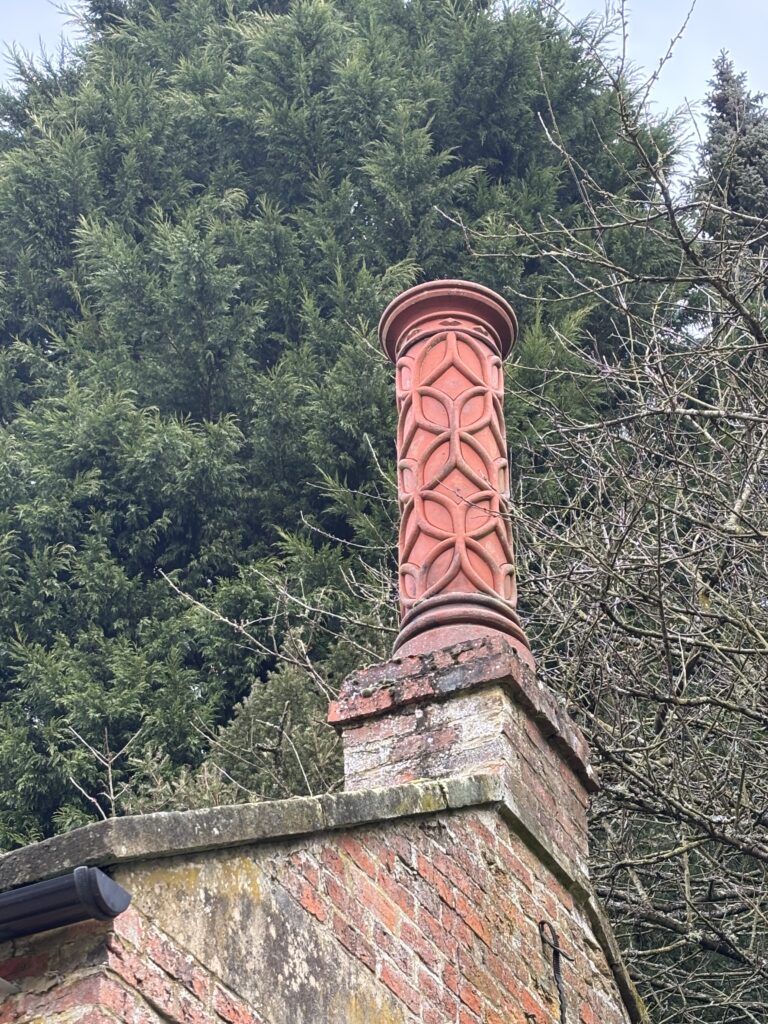
York’s varied building stock requires an understanding of traditional construction, later alterations and modern building defects.
Building Surveyors in York
A building surveyor investigates the construction and condition of property and advises clients on defects, deterioration, maintenance, repair and associated property risks.
For a purchaser, this can mean identifying significant defects and likely expenditure before becoming legally committed to an acquisition.
For existing owners, landlords and commercial clients, the same technical approach can be used to investigate building failures, establish likely causes, plan repairs and understand future maintenance liabilities.
At Strut, our approach follows a simple diagnostic principle:
evidence → mechanism → diagnosis → consequence → repair.
Our wider guide to building surveys explains how the principal elements of a property can be assessed during a detailed inspection.
York property: a Georgian townhouse, Victorian terrace, inter-war house and modern apartment should not be assessed using identical assumptions. Construction, materials, alterations and moisture behaviour need to be understood in the context of the particular building.
What Does a Building Surveyor in York Do?
Building surveying extends considerably beyond pre-purchase inspection.
Depending upon the property and instruction, Strut can assist with:
- Detailed building surveys and pre-acquisition inspections.
- Specific defect investigations.
- Roof surveys.
- Building-envelope surveys.
- Historic and listed building surveys.
- Commercial property surveys.
- Schedules of condition.
- Dilapidations advice.
- Building pathology and moisture investigation.
- Construction defects and defective workmanship.
- Repair specifications.
- Tendering and contractor procurement.
- Contract administration and project advice.
- Inspection of remedial and refurbishment works.
The appropriate service depends upon the building and, more importantly, the question the client needs answered.
Building Surveys in York
A detailed building survey can be particularly valuable when purchasing an older, altered, substantial or complex property.
Depending upon the agreed scope and accessibility, the inspection can consider:
- Roof coverings and roof structures.
- Chimneys, parapets and flashings.
- External walls and finishes.
- Floors, walls and ceilings.
- Windows and external doors.
- Rainwater disposal.
- Accessible roof spaces.
- Visible drainage arrangements.
- Evidence of dampness and water ingress.
- Previous extensions and alterations.
- Visible structural movement.
- Accessible aspects of building services.
The purpose is not simply to record imperfections.
Significant observations should be interpreted to establish their likely cause, significance, consequences and the appropriate next step.
For purchasers wanting a more detailed explanation of the process, see what a full building survey involves.
Why York Properties Require Careful Assessment
York has developed continuously over many centuries. As a result, apparently similar properties can incorporate very different forms of construction.
The city includes buildings constructed using:
- Traditional solid brick and stone masonry.
- Lime mortars and traditional renders.
- Timber floor and roof structures.
- Natural slate and clay roof coverings.
- Lead weatherings and traditional metalwork.
- Early and later cavity-wall construction.
- Concrete and steel structural components.
- Modern framed and insulated construction.
Many properties have also been extended, subdivided, converted and refurbished several times.
A surveyor therefore needs to distinguish between original construction, later intervention, normal age-related deterioration and evidence of a more significant defect.
Surveying Traditional York Property
Traditional buildings often behave differently from modern construction, particularly in relation to moisture.
Solid masonry walls, lime mortar, timber floors and naturally ventilated roof structures were constructed as interacting systems.
Later interventions can change that behaviour.
Examples include:
- Hard cement pointing replacing lime mortar.
- Impermeable external renders and coatings.
- Dense internal finishes.
- Altered ground levels.
- Poorly considered insulation.
- Reduced ventilation.
- Replacement floors.
- Modern extensions adjoining traditional construction.
Where dampness or deterioration develops, simply treating the visible surface may therefore fail to address the underlying cause.
The repair strategy should respond to the construction of the building rather than simply conceal the symptom.
Victorian and Edwardian Houses in York
Victorian and Edwardian housing forms a substantial part of York’s residential building stock.
These properties can be robust and highly serviceable buildings, but their condition depends heavily upon maintenance and the quality of alterations undertaken during the intervening century or more.
Matters commonly requiring consideration include:
- Ageing slate and tiled roof coverings.
- Chimney deterioration.
- Defective lead flashings.
- Rainwater disposal.
- Dampness and moisture pathways.
- Suspended timber floor ventilation.
- Timber deterioration.
- Historic movement and cracking.
- Altered chimney breasts.
- Enlarged wall openings.
- Rear and side extensions.
- Roof-space alterations.
- Replacement windows and doors.
- Incompatible pointing and render repairs.
The important question is not whether an old building has defects. Most do.
The important questions are which defects matter, what is causing them and what expenditure is likely to be required.
Georgian and Earlier Buildings in York
Older properties require additional care because their construction, materials and history of alteration can be substantially different from modern buildings.
Traditional masonry, historic roof structures, lime-based materials, chimney construction and timber elements need to be understood in their proper context.
Previous repairs can be particularly informative.
Changes in pointing, masonry, render, roof coverings, structural support or internal finishes can reveal the history of previous problems and intervention.
Where the property is listed, the implications of repair and alteration also extend beyond physical condition because statutory controls may affect what work can appropriately be undertaken.
Modern Houses and Apartments in York
Newer construction should not automatically be assumed to be defect-free.
Modern properties can present different problems, including:
- Roofing and flashing defects.
- Insulation discontinuities.
- Condensation.
- Poor ventilation.
- Cavity-wall defects.
- External render and cladding problems.
- Defective junctions around openings.
- Drainage defects.
- Water ingress.
- Poor workmanship.
Understanding how the building was intended to function and how its components were assembled can be essential when diagnosing these failures.
Building Pathology and Defect Investigation in York
Not every instruction requires a survey of the entire property.
Sometimes the client already knows where the problem is but needs to establish why it is happening and how it should be resolved.
Typical instructions include:
- Persistent water ingress.
- Dampness and unexplained moisture.
- Cracking and suspected movement.
- Roof failures.
- Condensation and mould.
- Timber deterioration.
- Defective external walls or finishes.
- Failed previous repairs.
- Construction defects.
- Disputed workmanship following refurbishment.
In these circumstances, a Specific Defect Survey may be more appropriate than a whole-building inspection.
Strut’s approach is based upon building pathology: using the available evidence to understand the relationship between symptoms, construction, materials, alterations and environmental conditions.
Damp Surveys and Moisture Problems in York
Dampness is a symptom rather than a diagnosis.
Moisture affecting a York property might originate from:
- Defective roof coverings.
- Failed chimney flashings.
- Leaking gutters or downpipes.
- Open masonry joints.
- Defective external render.
- Plumbing leaks.
- Condensation.
- Elevated external ground levels.
- Poor sub-floor ventilation.
- Chimney contamination.
- Inappropriate modern finishes.
A moisture-meter reading alone cannot establish which mechanism is responsible.
The pattern and location of moisture need to be interpreted alongside the construction of the building and the condition of surrounding elements before a repair strategy is determined.
Roof Surveys in York
Roofs and building-envelope defects form a significant part of Strut’s surveying work.
York properties incorporate a wide range of roof construction, including natural slate, clay tiles, leadwork, traditional pitched roofs and modern flat-roof systems.
Roof defects also rarely exist entirely in isolation.
A failed flashing, defective chimney or leaking gutter can introduce water into roof structures, masonry, insulation and internal finishes some distance from the original point of entry.
A dedicated Roof Survey can be appropriate where:
- Persistent leakage is occurring.
- The roof appears to be deteriorating.
- Poor workmanship is suspected.
- A recent roofing project has failed.
- Significant repair or replacement is proposed.
- The purchaser requires greater certainty about likely roof expenditure.
For larger or more complex buildings, a Building Envelope Survey can consider the interaction between roofs, external walls, openings, interfaces and rainwater disposal.
Listed Building Surveys in York
York contains an exceptional concentration of historic buildings, including many protected by listing.
Surveying a listed building requires more than identifying that components are old.
The inspection should consider:
- Traditional construction and materials.
- Historic development of the building.
- Previous alterations.
- Incompatible repairs.
- Moisture behaviour.
- Structural change.
- Condition of historic fabric.
- The implications of future repair and alteration.
A defect that might justify straightforward replacement in a modern building can require a more considered repair strategy where historic fabric is involved.
Our Listed Building Surveys provide a more detailed assessment of traditional and protected property.
Commercial Building Surveyors in York
Building surveying is equally important for commercial property.
Investors, landlords and occupiers may require advice before acquisition or lease, during occupation or when significant repair expenditure is anticipated.
Commercial instructions can include:
- Pre-acquisition building surveys.
- Schedules of condition.
- Dilapidations advice.
- Roof surveys.
- Building-envelope inspections.
- Planned maintenance assessments.
- Defect investigations.
- Repair specifications.
- Tendering.
- Contract administration.
For a commercial occupier in particular, understanding the condition of a property before accepting contractual repair obligations can be important.
A relatively modest defect at acquisition can become a significant liability where the lease places responsibility for repair upon the tenant.
Common Building Defects We Investigate in York
No defect should be diagnosed simply because it is common to a particular age or type of property.
Nevertheless, recurring themes within York’s building stock include:
- Deteriorated natural slate and clay-tiled roofs.
- Failed or poorly detailed lead flashings.
- Chimney deterioration.
- Water ingress around roof junctions.
- Eroded masonry joints.
- Inappropriate cement pointing.
- Moisture affecting solid-wall construction.
- Timber deterioration associated with prolonged dampness.
- Inadequately ventilated roof spaces.
- Condensation.
- Cracking associated with alterations or movement.
- Failed flat-roof coverings.
- Defects arising from extensions and refurbishment.
- Repeated repairs that have treated symptoms rather than causes.
The important task is to establish the mechanism of failure before determining the repair.
Previous Alterations Are an Important Part of a York Building Survey
Many York properties have been substantially altered during their lifetime.
Common changes include:
- Rear and side extensions.
- Loft conversions.
- Removal or alteration of chimney breasts.
- Enlarged internal openings.
- Replacement roofs.
- Altered windows and doors.
- Replacement floors.
- Modern insulation.
- Changes to drainage.
- Subdivision or conversion of larger properties.
These alterations can sometimes be more significant than the original construction.
A survey should therefore consider not only the age of the property but how the building has evolved and whether later work has changed its structural, weathering or moisture behaviour.
Do You Need a Building Survey Before Buying in York?
The appropriate level of inspection depends upon the property and the level of risk the purchaser is accepting.
A detailed building survey is particularly worth considering where a property is:
- Older or traditionally constructed.
- Listed or historically significant.
- Large or complex.
- Substantially altered or extended.
- Unusually constructed.
- Visibly deteriorated.
- Affected by dampness or water ingress.
- Likely to require significant expenditure after purchase.
The survey may also identify matters requiring additional investigation before purchase.
Depending upon the evidence, this could include:
- Structural engineering advice.
- Drainage investigation.
- Electrical or gas inspection.
- Opening-up works.
- Specialist timber investigation.
- A more detailed roof assessment.
- Further investigation of concealed construction.
The objective is not to find a perfect building. It is to understand the property you are proposing to buy, identify significant defects and liabilities and establish where further investigation is justified before you become committed.
What Happens If the Survey Finds Significant Work?
Identifying a defect is sometimes only the first stage.
Where substantial repair is required, the survey findings can be developed into a more defined repair strategy.
Depending upon the instruction, this may include:
- Further defect investigation.
- Opening-up works.
- A schedule or specification of repairs.
- Indicative budget costs.
- Contractor quotations.
- Competitive tendering.
- Inspection of remedial work.
- Contract administration.
This allows the process to move from identifying the problem to defining and delivering an appropriate repair.
Independent Building Surveyors Based in York
Strut Building Surveyors provides independent advice to homeowners, purchasers, investors, landlords and commercial property clients from our base in York.
Our work places particular emphasis on:
- Detailed building surveys.
- Building pathology and defect diagnosis.
- Roofing and building-envelope failures.
- Traditional and historic construction.
- Moisture and water ingress.
- Construction defects and failed repairs.
Our reports are intended to be clear and practical.
Where significant problems are identified, we aim to explain what we have observed, the likely cause, why it matters and what should happen next.
Looking for a Building Surveyor in York?
Strut Building Surveyors provides detailed building surveys and specialist defect investigations across York and the surrounding North Yorkshire area.
Tell us about the property, its age and construction, any known defects and what you need the inspection to establish. We can advise on an appropriate scope of survey.
Discuss Your Property With StrutRelated Strut Guidance
- Building Surveys: The Ultimate Guide
- What Does a Full Building Survey Involve?
- Building Pathology and Defect Diagnosis
- Specific Defect Surveys
- Roof Surveys
- Listed Building Surveys
- Building Envelope Surveys
Flat Roof Defects in York | Surveyor Inspection Guide
A surveyor-led guide explaining flat roof defects in York, why membranes fail prematurely, how inspections [...]
Mar
Leaking Roofs in York | Surveyor Inspection Guide
A surveyor-led guide explaining why leaking roofs in York are often misdiagnosed, how water travels [...]
Feb

Poor Roof Workmanship in York | Surveyor Inspections
A surveyor-led guide explaining how poor roof workmanship in York is identified, how it differs [...]
Feb
Poor Roofing Work in York | Independent Surveyor Guide
A detailed inspection-led guide explaining how poor roofing work in York is identified, why defects [...]
Jan
Party Wall Survey Guide | Strut
A Party Wall Survey under the Party Wall etc. Act 1996 prevents disputes during boundary [...]
Dec
Listed Building Survey Guide | Strut
A Listed Building Survey provides essential insight for owners and buyers of historic properties. Discover [...]
Nov

Building Safety Act 2022 Guide for Building Owners
A practical Building Safety Act 2022 Guide for domestic and commercial building owners, explaining time [...]
Nov

Snagging Survey Guide for New Builds | Strut
A Snagging Survey ensures your new-build home meets standards before the developer’s warranty expires. Discover [...]
Nov

