STRUT BUILDING SURVEYORS
Roofing Standards and Defects explain why roofs fail
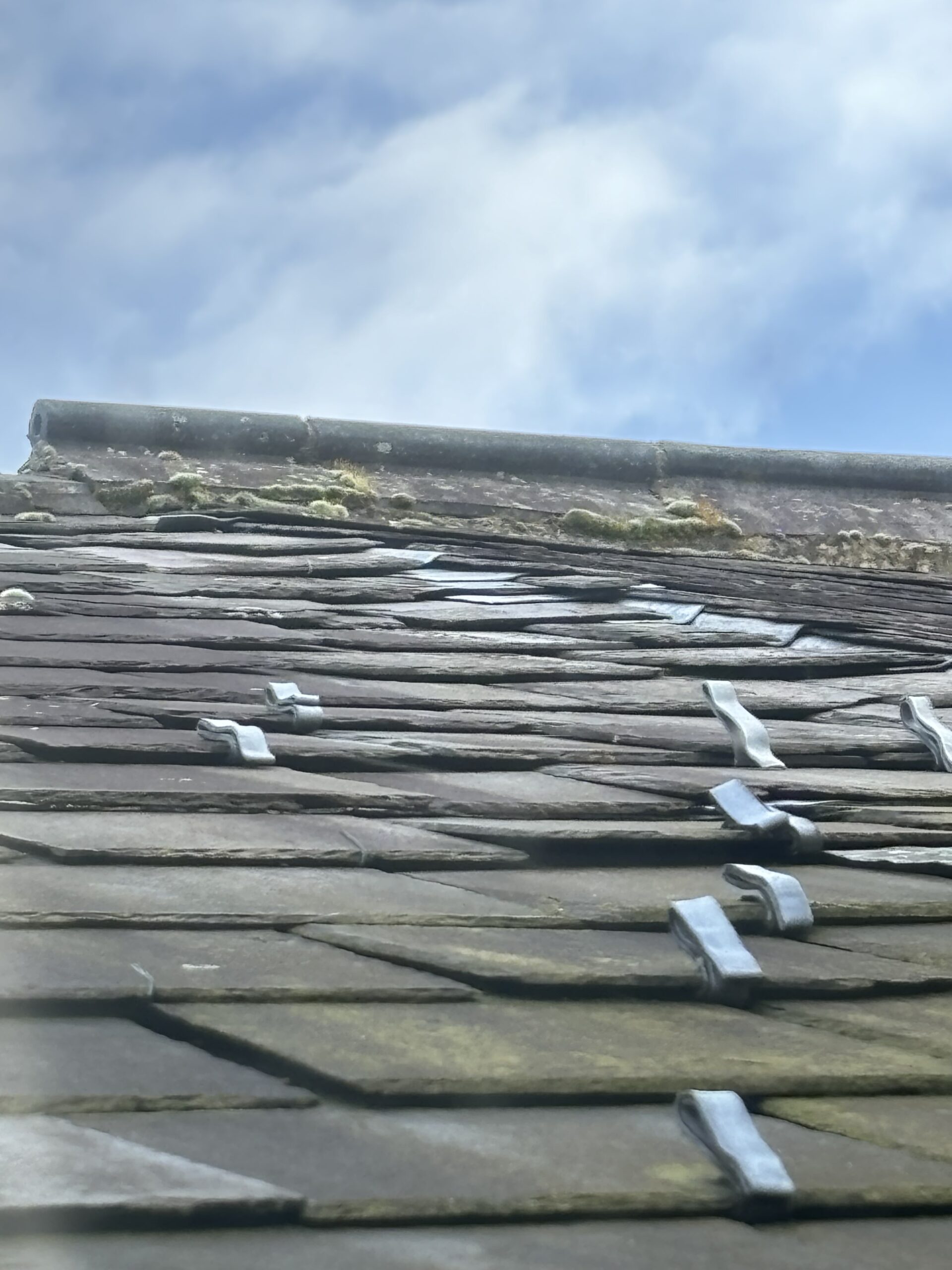
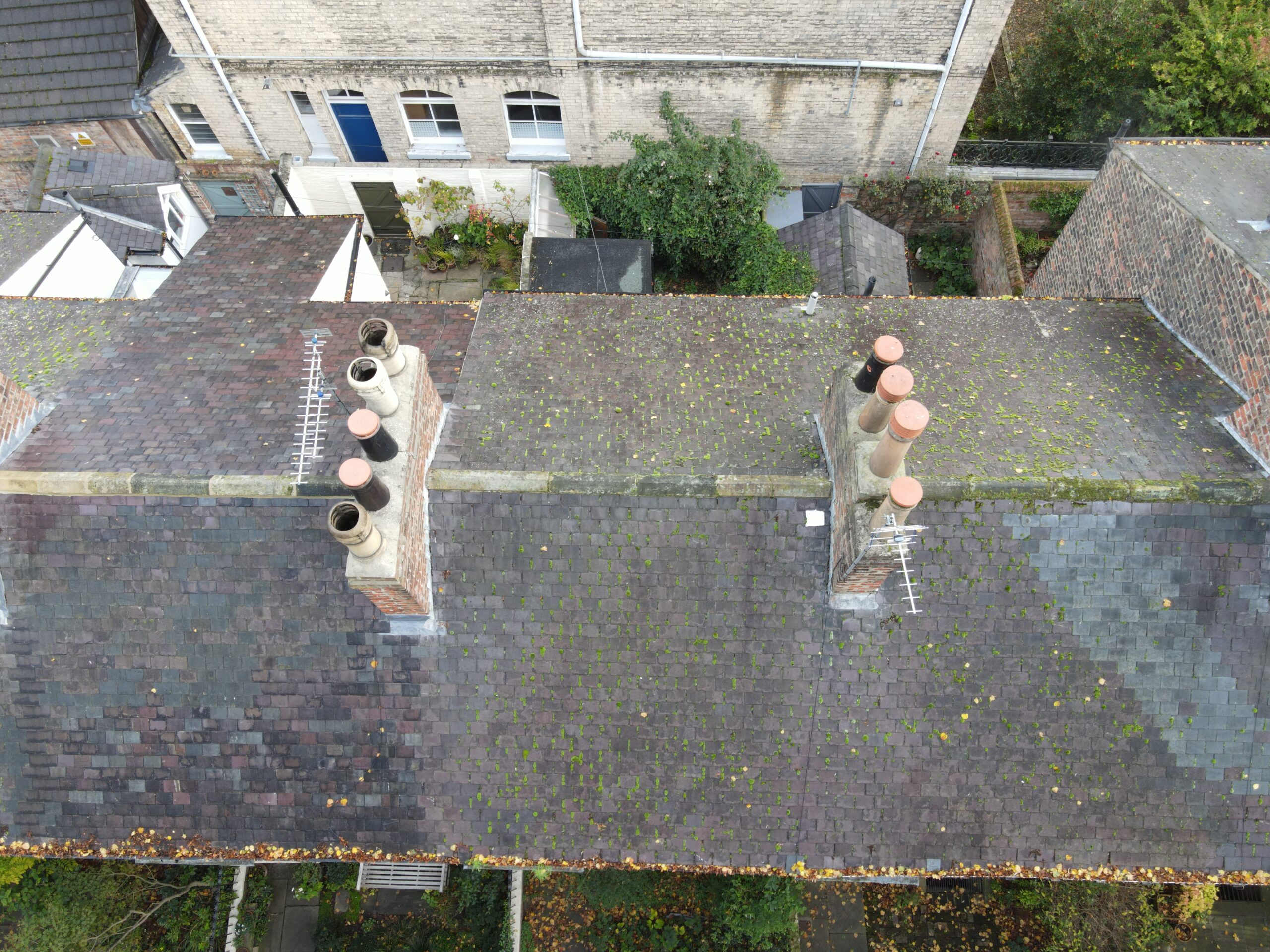
Most roofing defects are not random failures. They are usually linked to poor detailing, unsuitable materials, inadequate workmanship, insufficient ventilation, poor moisture control or a failure to apply recognised roofing standards correctly.
At Strut Building Surveyors, we investigate roofing standards and defects through a practical, evidence-led approach. We consider how the roof has been designed, constructed, altered and maintained, then assess whether the relevant detailing and workmanship align with recognised British Standards guidance and accepted roofing practice.
This Roofing Standards and Defects section supports our wider Roofing Surveying Services and explains the relationship between common roofing defects and standards including BS5534, BS5250, BS6915, BS6229, BS8612 and BS8000.
Roofing standards and defects are closely connected because standards influence how roofs resist wind uplift, manage moisture, accommodate thermal movement, discharge rainwater and perform over time. When standards are misunderstood, ignored or poorly applied, defects frequently follow.
Many workmanship failures identified during roofing defect investigations relate to poor sequencing, inadequate detailing or a misunderstanding of wider UK roofing regulations guidance and associated British Standards requirements.
For property owners, schools, commercial clients, managing agents and developers, roofing standards and defects are not academic issues. They often determine whether a roof can be repaired locally, requires more extensive remedial work, or needs a full replacement specification.
Based in York, Strut provides independent roofing and building envelope defect consultancy across Yorkshire and within approximately 100 miles of York.
Get in touch


 Why Strut
 Services
 Recent Surveys
 Locations
 Knowledge
 Contact