

 Why Strut
 Services
 Recent Surveys
 Locations
 Knowledge
 Contact
ROOFING STANDARDS AND DEFECTS
Latent Roof Defects
Independent Latent Roof Defects guidance for hidden roof failures, seasonal leaks, condensation, poor fixings, defective drainage, weak junctions, workmanship failures and remedial specifications.

Independent Latent Roof Defects guidance for hidden roof failures, seasonal leaks, condensation, poor fixings, defective drainage, weak junctions, workmanship failures and remedial specifications.
Latent Roof Defects are hidden roof problems that exist within the design, workmanship or build-up but only become visible after completion. They often emerge as seasonal leaks, damp staining, mould, slipped slates, ponding, cracked leadwork, failed fixings or recurring defects after apparently completed roofing works.
At Strut Building Surveyors, we assess Latent Roof Defects through a practical, evidence-led approach. We consider roof build-up, sequencing, ventilation, vapour control, drainage, fixings, leadwork interfaces, underlays, membranes, rooflights, parapets, abutments and workmanship standards to establish what has failed and why.
This page sits within our wider Roofing Standards and Defects cluster and supports our specialist Roofing Surveying Services. It is designed for clients dealing with hidden roofing failures, post-completion disputes, warranty issues, unexplained water ingress or defects that only become apparent after storms, winter conditions or repeated seasonal movement.
Latent Roof Defects should not be viewed in isolation. Hidden roof failures may involve BS5250 Condensation and Moisture Risk, BS6229 Flat Roofs, BS5534 Slating and Tiling, BS6915 Leadwork, rainwater discharge, workmanship standards and poor project sequencing.
For wider technical context, see external UK roofing regulations guidance, BS6229 flat roofing guidance and Leadwork Standards.
Based in York, Strut provides independent Latent Roof Defects consultancy across Yorkshire and within approximately 100 miles of York.
Get in touch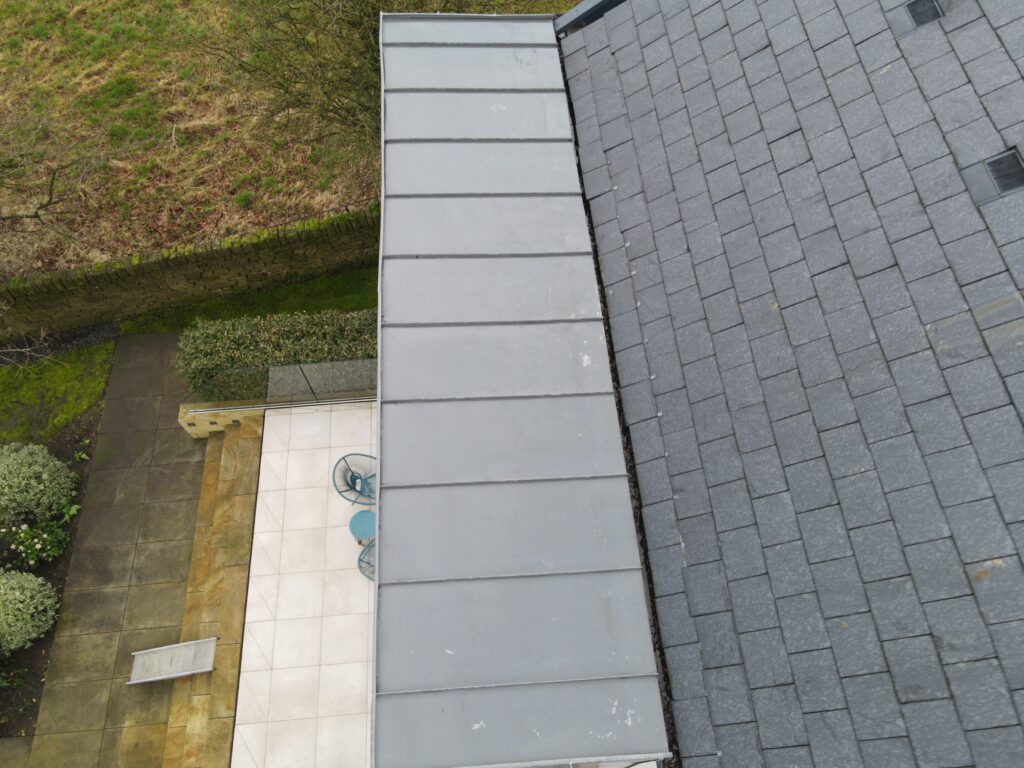
Our Latent Roof Defects investigations are structured to establish what symptom has appeared, what hidden failure mechanism is likely and whether the remedy should be localised, phased or specified as part of a wider roofing or building envelope repair strategy.
Where defects have emerged after recent roofing works, we can assist with independent reporting, contractor discussions, remedial specification and staged verification.
Latent Roof Defects often appear after a roof has initially seemed complete, watertight or acceptable. The visible symptom may be a leak, stain, mould patch, slipped slate, cracked flashing or ponding flat roof, but the underlying cause is often hidden within the roof build-up, detailing or workmanship.
Common Latent Roof Defects include:
External technical context can be found through UK roofing regulations guidance, roofing services in York and wider Leadwork Standards.
Latent Roof Defects can be expensive because they are often discovered after scaffold has been removed, finishes have been completed or warranties have begun. Early investigation helps establish whether the defect relates to design, workmanship, materials, maintenance, moisture control or inadequate inspection at key stages.
For lead junctions and weathering details, see lead roofing guides. For flat roof build-up and drainage context, see BS6229 flat roofing guidance.
Contact StrutWarm moist air can leak into roof build-ups and condense within insulation, on underlays, against timbers or below membranes. Latent Roof Defects involving condensation often appear as winter staining, mould, wet insulation, rusty fixings or decay. We align diagnosis with BS5250 Condensation and Moisture Risk principles.
Ponding, blocked outlets, inadequate falls, short upstands and trapped moisture can all create delayed flat roof failure. We assess whether the issue relates to local workmanship or a wider BS6229 Flat Roofs design problem requiring more substantial remediation.
Tiles or slates may remain in place until exposed to strong wind. Latent Roof Defects involving fixings often relate to insufficient clips, poor nail selection, weak perimeter restraint, batten defects or incorrect fixing density under BS5534 Slating and Tiling principles.
Leadwork defects may emerge only after seasonal movement, repeated rainfall or thermal cycling. Cracked lead, weak chases, short laps, restrained flashings and poor valley detailing are assessed against BS6915 Leadwork principles.
Hidden gaps in insulation, poorly detailed eaves, party wall junctions, rooflight kerbs and service penetrations can create cold surfaces and mould. We identify whether the issue is ventilation, vapour control, insulation continuity or a combination of factors.
Some Latent Roof Defects cannot be confirmed from visual inspection alone. We may recommend proportionate opening-up, borescope inspection, moisture testing, electronic leak detection, flood testing or monitored drying where evidence needs to be strengthened.
Commissioning Latent Roof Defects checks shortly after substantial roofing works can provide useful protection while access, records and contractor responsibility remain live. The aim is to verify critical details before failures become expensive or concealed.
Latent Roof Defects are roofing problems that exist at completion but are not immediately visible. They may only appear after wind, rain, cold weather, thermal movement, seasonal humidity or repeated use of the building.
Yes. We combine inspection with proportionate testing, review of photographs, product data, workmanship evidence and relevant standards. Where required, we may recommend opening-up or monitoring to confirm the hidden failure mechanism.
Yes. Condensation, mould, wet insulation and decayed timbers are common latent defects where vapour control, ventilation, insulation continuity or extract routing is defective.
Yes. We can prepare evidence-led reports, remedial recommendations, schedules of work and inspection hold-points to support contractor discussions, warranty review or formal dispute resolution.
This Latent Roof Defects page forms part of Strut’s wider Roofing Standards and Defects cluster. Related Strut guidance includes:
Where hidden defects relate to moisture, review BS5250 Condensation and Moisture Risk. Where they relate to flat roof ponding or build-up failure, review BS6229 Flat Roofs. Where storm losses or poor fixings are involved, review BS5534 Slating and Tiling.
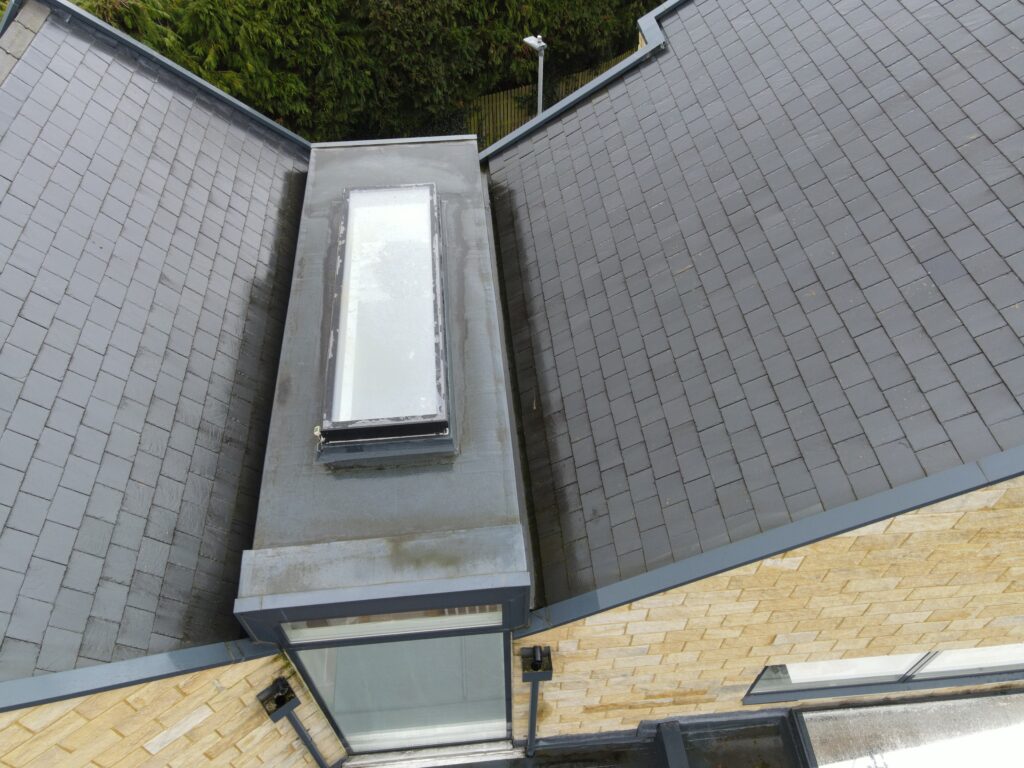
Strut provides Latent Roof Defects consultancy across York, Harrogate, Leeds, Wetherby, Ripon, Knaresborough, Selby, Malton, Thirsk, Northallerton, Whitby, Scarborough and wider Yorkshire.
Related services: Roofing Surveying Services · Roof Surveys · Specific Defect Survey · Drone Survey.
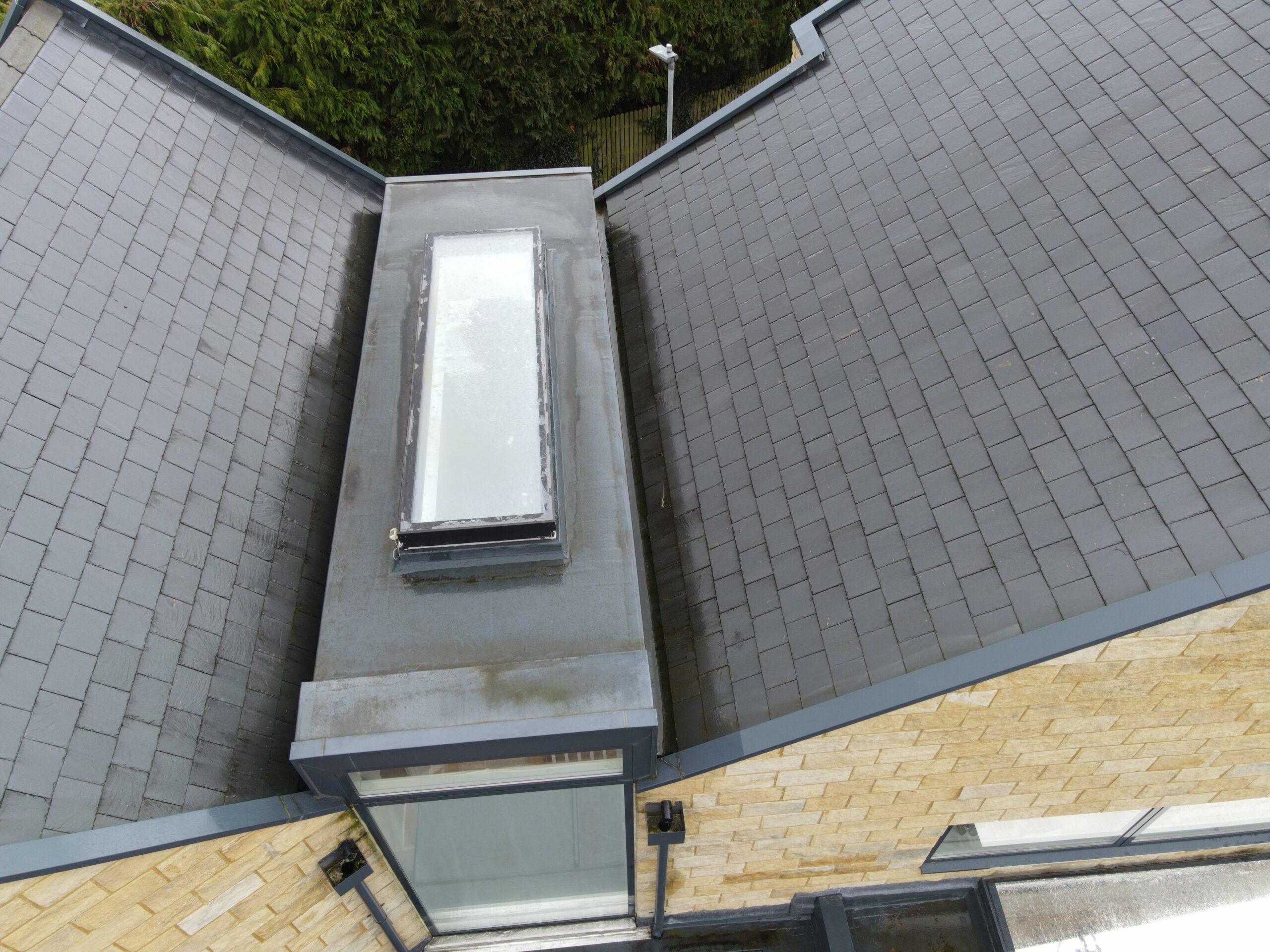
Latent Roof Defects advice for property owners dealing with hidden leaks, mould, damp, failed repairs or post-completion roof problems.
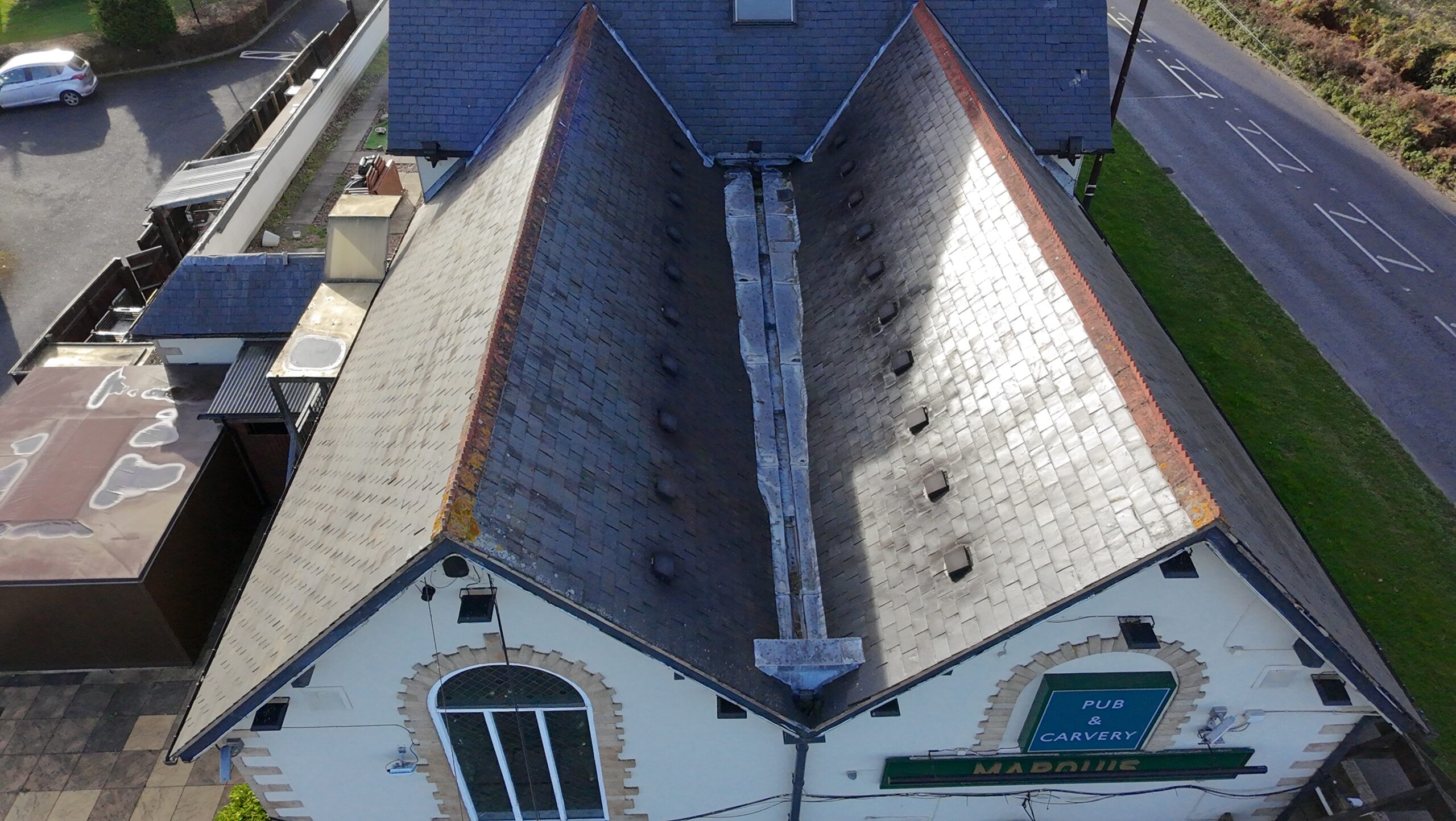
Due diligence on hidden roofing risk, likely future capex, warranty exposure, workmanship defects and roof performance concerns.
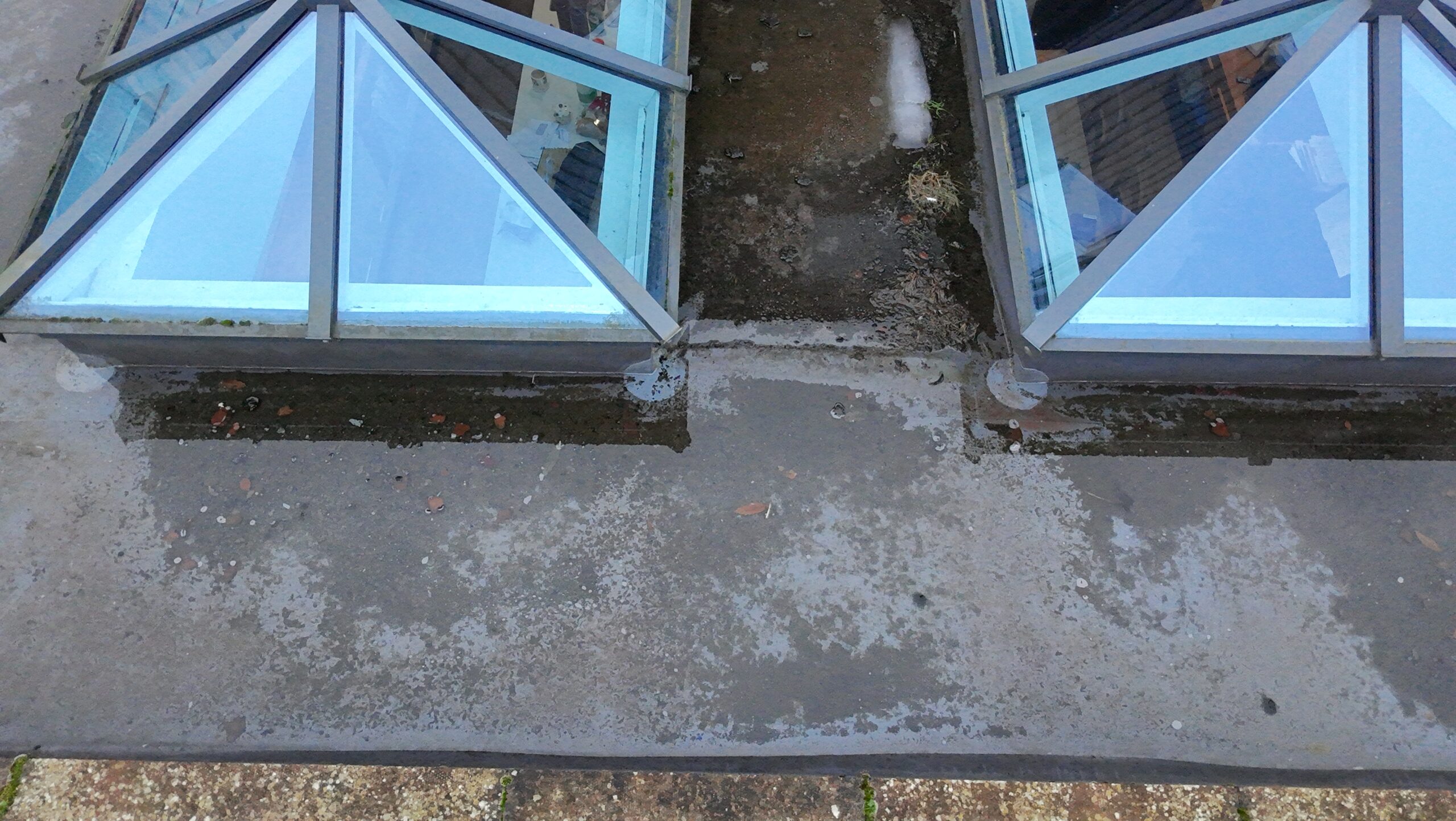
Specification, contractor review and inspection support for hidden roof failures, remedial works and close-out verification.
Our Latent Roof Defects support combines standards-led investigation with practical roofing experience. We help clients understand why hidden roof problems appear, what evidence matters and what remedial works are likely to provide a durable outcome.
Where required, Strut can also prepare specifications, tender documents and staged inspection hold-points for remedial roofing and associated building envelope repairs.
Get in Touch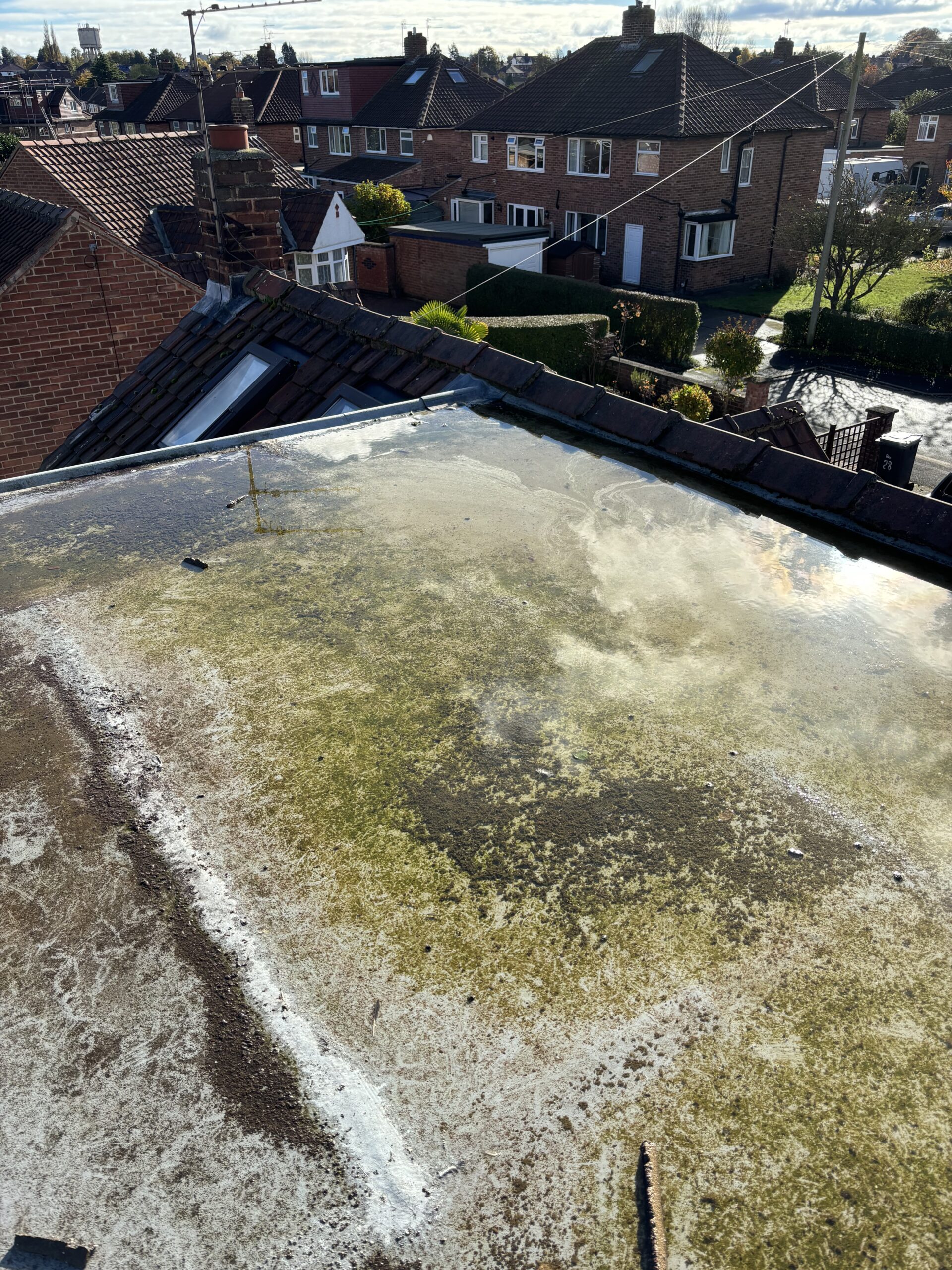
A surveyor-led guide explaining flat roof defects in York, why membranes fail prematurely, how inspections [...]
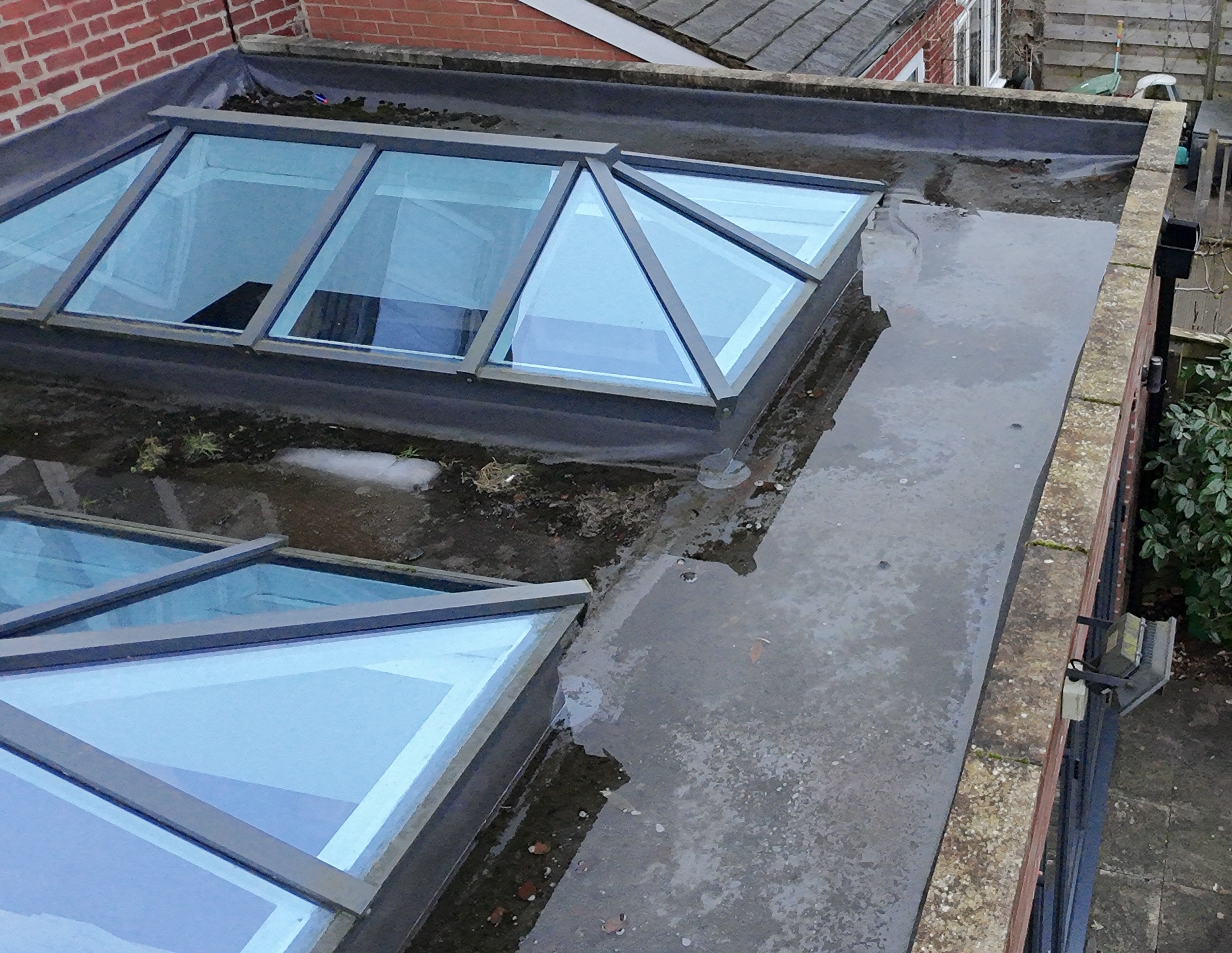
A surveyor-led guide explaining why leaking roofs in York are often misdiagnosed, how water travels [...]
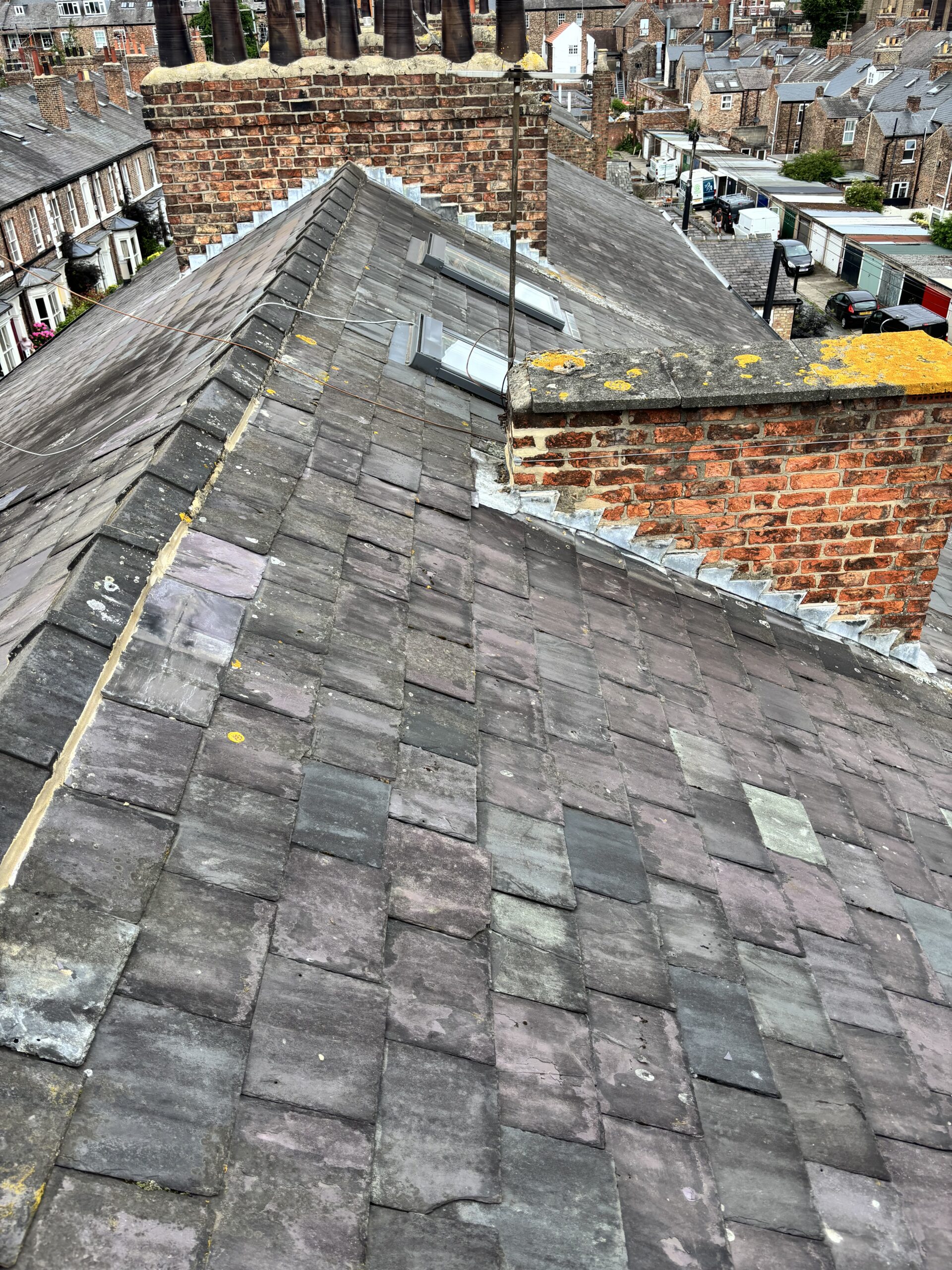
A surveyor-led guide explaining how poor roof workmanship in York is identified, how it differs [...]
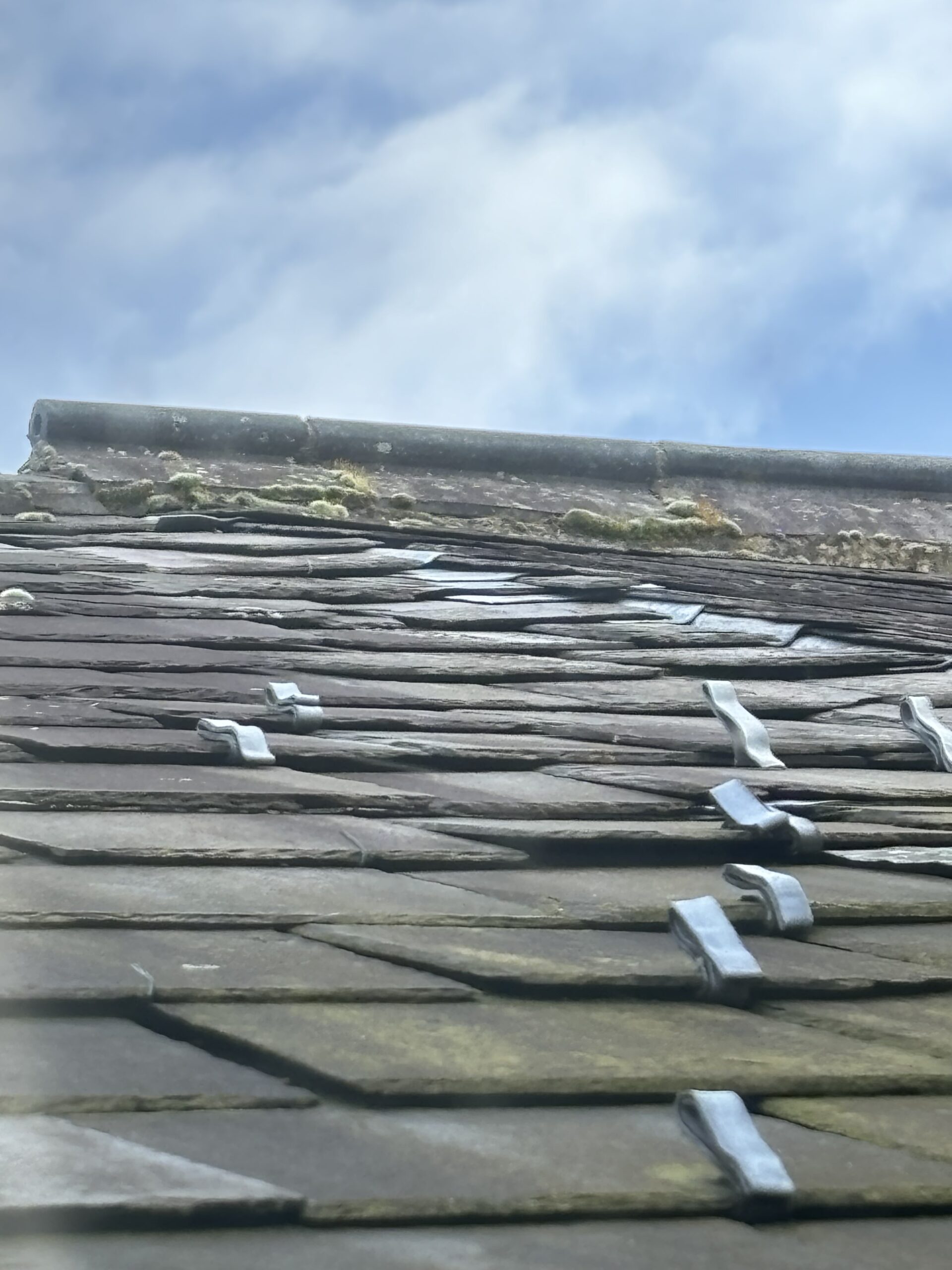
A detailed inspection-led guide explaining how poor roofing work in York is identified, why defects [...]
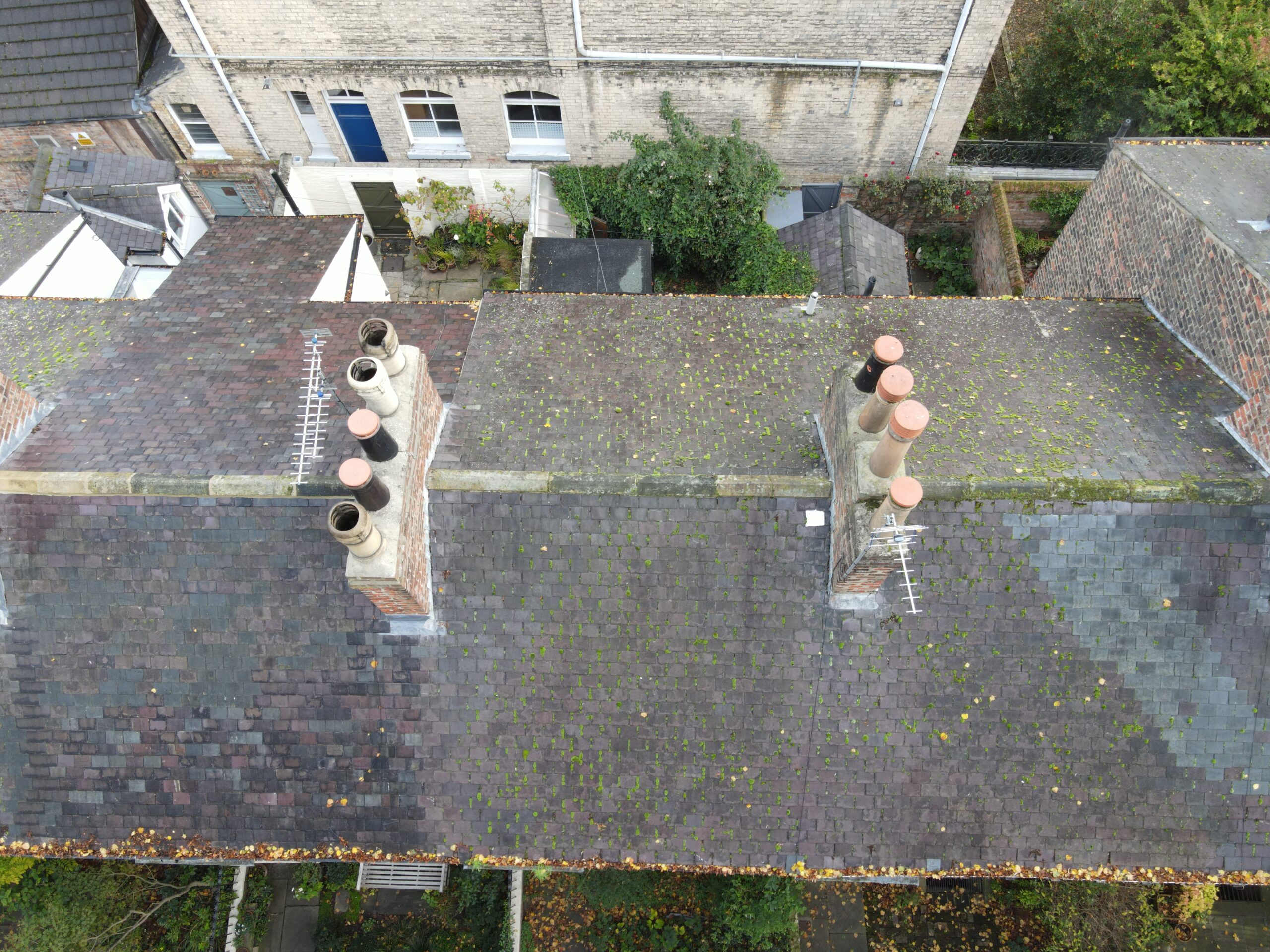
A Party Wall Survey under the Party Wall etc. Act 1996 prevents disputes during boundary [...]

A Listed Building Survey provides essential insight for owners and buyers of historic properties. Discover [...]

A practical Building Safety Act 2022 Guide for domestic and commercial building owners, explaining time [...]

A Snagging Survey ensures your new-build home meets standards before the developer’s warranty expires. Discover [...]

