

 Why Strut
 Services
 Recent Surveys
 Locations
 Knowledge
 Contact
ROOFING STANDARDS AND DEFECTS
BS6229 Flat Roofs
Independent BS6229 Flat Roofs guidance for ponding, inadequate falls, short upstands, outlet defects, vapour control layers, insulation build-ups, membrane failures and flat roof defect investigations.
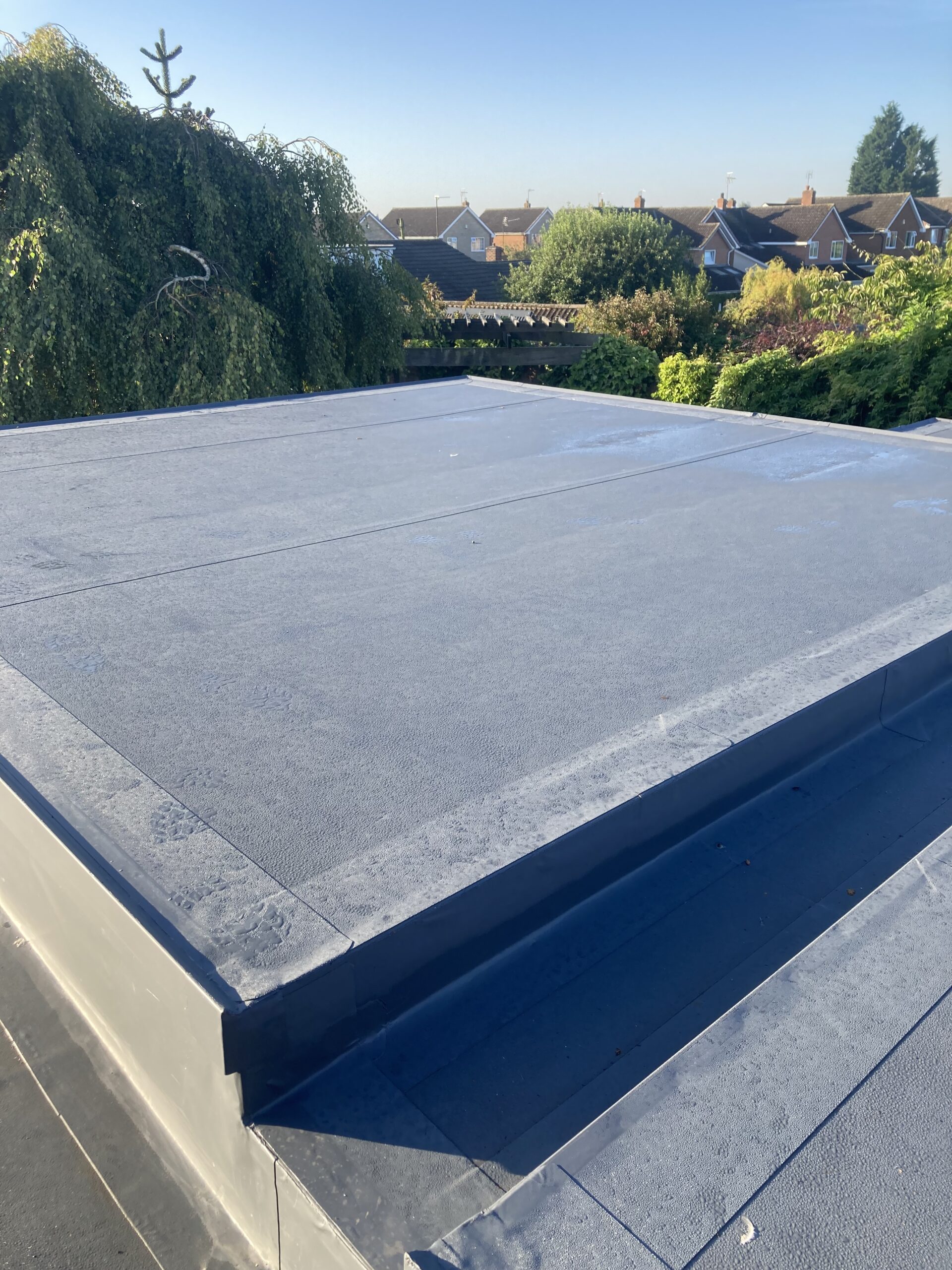
Independent BS6229 Flat Roofs guidance for ponding, inadequate falls, short upstands, outlet defects, vapour control layers, insulation build-ups, membrane failures and flat roof defect investigations.
BS6229 Flat Roofs guidance is central to diagnosing flat roof failures involving ponding, inadequate falls, short upstands, failed laps, blocked outlets, trapped moisture, defective vapour control layers and poorly detailed membranes.
At Strut Building Surveyors, we assess BS6229 Flat Roofs defects through a practical, evidence-led approach. We consider the deck, falls, drainage strategy, outlets, overflows, upstands, parapets, rooflights, insulation, VCL continuity, membrane condition, terminations, penetrations and interfaces with adjacent roof systems.
This page sits within our wider Roofing Standards and Defects cluster and supports our specialist Roofing Surveying Services. It is designed for clients dealing with flat roof ponding, repeated leaks, failed refurbishment works, poor contractor detailing or uncertainty following flat roof installation.
BS6229 Flat Roofs should not be viewed in isolation. Flat roof failures may also involve BS5250 condensation and moisture risk, BS6915 Leadwork, rainwater discharge, parapet detailing, rooflight interfaces and wider workmanship standards.
For wider technical context, see external BS6229 flat roofing guidance and broader UK roofing regulations guidance.
Based in York, Strut provides independent BS6229 Flat Roofs defect consultancy across Yorkshire and within approximately 100 miles of York.
Get in touch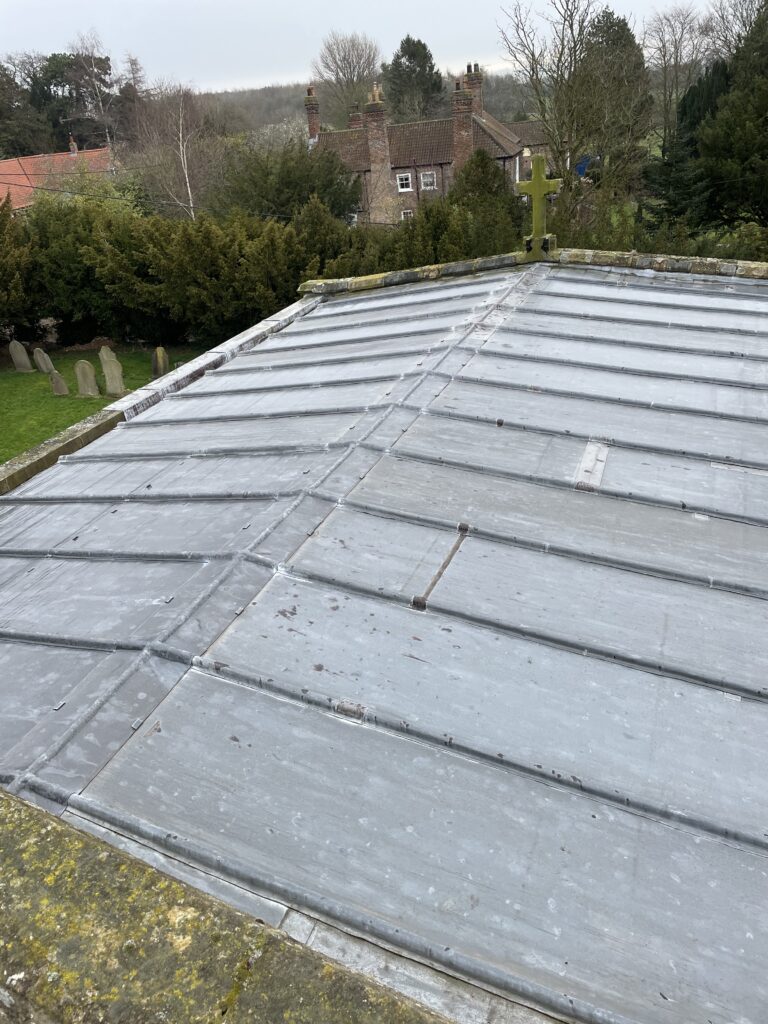
Our BS6229 Flat Roofs investigations are structured to establish what has failed, why it has failed and whether remedial works should be localised, phased or specified as part of a wider flat roof replacement or building envelope repair strategy.
Where a flat roof has failed following recent works, we can assist with independent reporting, contractor discussions, remedial specification and staged verification.
BS6229 Flat Roofs defects often appear as ponding, blistering, damp staining, repeated leaks, blocked outlets, failed laps or deterioration around upstands and penetrations. The visible leak is usually only part of the issue. The underlying cause is often inadequate falls, poor drainage design, short upstands, poor membrane termination, VCL discontinuity or moisture trapped within the build-up.
Common BS6229 Flat Roofs issues include:
External technical context can be found through BS6229 flat roofing guidance and wider UK roofing regulations guidance.
Flat roofs are rarely truly flat in performance terms. Water must be managed through falls, outlets, overflow provision and robust detailing at edges and terminations. Where water sits for prolonged periods, membranes age faster, laps are stressed and minor workmanship defects can become repeated leak paths.
For local practical context, see wider roofing services in York.
Contact StrutFalls and drainage are central to BS6229 Flat Roofs performance. We assess whether the roof has positive drainage, whether ponding is localised or systemic, and whether outlets, sumps and overflow provision are adequate for the roof area and detailing.
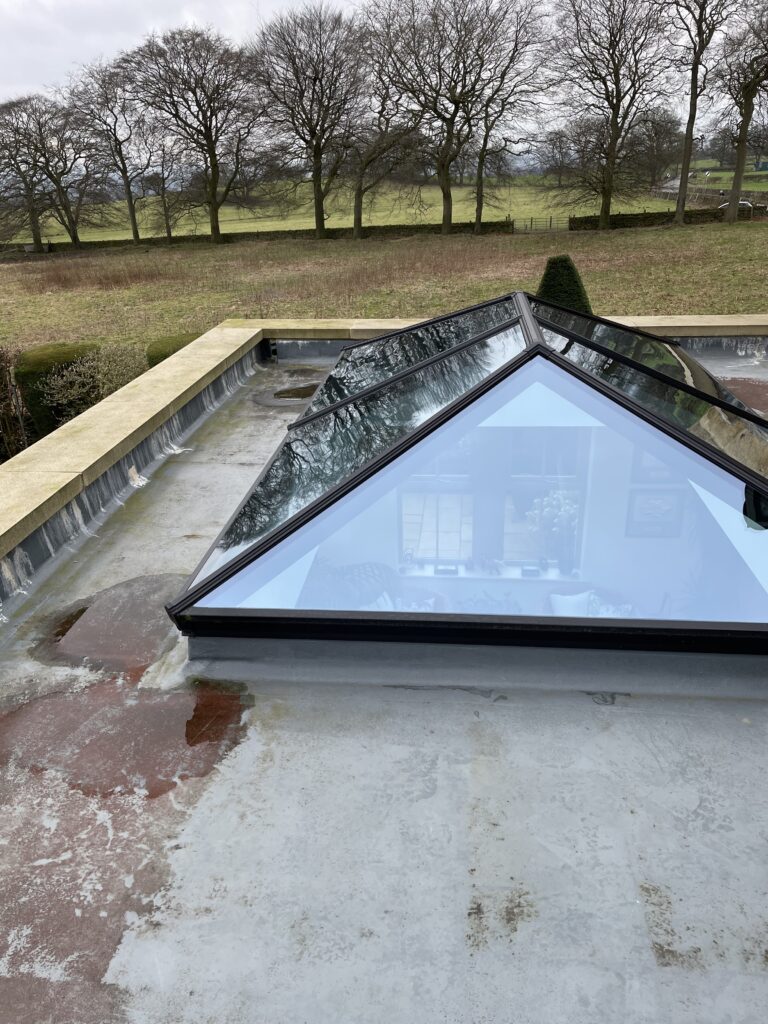
Short upstands and weak terminations are common leak paths. We assess upstand height, membrane continuation, edge restraint, parapet detailing, cappings, rooflight interfaces and whether water can be driven or held against vulnerable junctions.
Different flat roof build-ups perform differently. We consider deck type, insulation type, VCL position, membrane compatibility, condensation risk, drainage layer arrangement and whether the construction matches the intended design strategy.
VCL continuity is critical in warm roof construction. Breaks, poor laps, discontinuity at penetrations or incorrect positioning can allow moisture into the build-up, leading to insulation saturation, blistering, decay or performance loss.
We assess membrane condition, laps, welds, liquid-applied details, trims, fixings, outlets, rooflights, plant penetrations, balustrade posts and service entries. Small workmanship defects at penetrations often create repeated leak paths.
Local patching may be appropriate where defects are isolated. However, if falls, drainage, VCL continuity, saturated insulation or widespread membrane failure are present, a broader remedial specification may be more durable and cost-effective.
BS6229 is the British Standard associated with flat roofs with continuously supported flexible waterproof coverings. It is used to assess falls, drainage, thermal strategy, moisture risk, upstands, membranes, outlets and detailing.
Yes. Ponding may relate to inadequate falls, poor outlet positioning, deflection, blocked drainage, weak sump design or inconsistent workmanship. BS6229 Flat Roofs guidance helps assess whether ponding is a symptom of wider design or installation failure.
Yes. We assess vapour control layer strategy, insulation arrangement, build-up type, visible detailing and moisture risk where access or evidence allows. Intrusive or moisture testing may be recommended where trapped water is suspected.
Yes. We can inspect defective flat roofing works, prepare an evidence-led report, advise on likely causation and help define a practical remedial specification for contractor pricing or dispute resolution.
This BS6229 Flat Roofs page forms part of Strut’s wider Roofing Standards and Defects cluster. Related Strut guidance includes:
Where flat roof defects involve lead outlets, cover flashings, abutments or parapet interfaces, review our BS6915 Leadwork guidance. Where condensation, saturated insulation or vapour control failure is suspected, review BS5250 Condensation and Moisture Risk.
Strut provides BS6229 Flat Roofs defect consultancy across York, Harrogate, Leeds, Wetherby, Ripon, Knaresborough, Selby, Malton, Thirsk, Northallerton, Whitby, Scarborough and wider Yorkshire.
Related services: Roofing Surveying Services · Roof Surveys · Specific Defect Survey · Drone Survey.
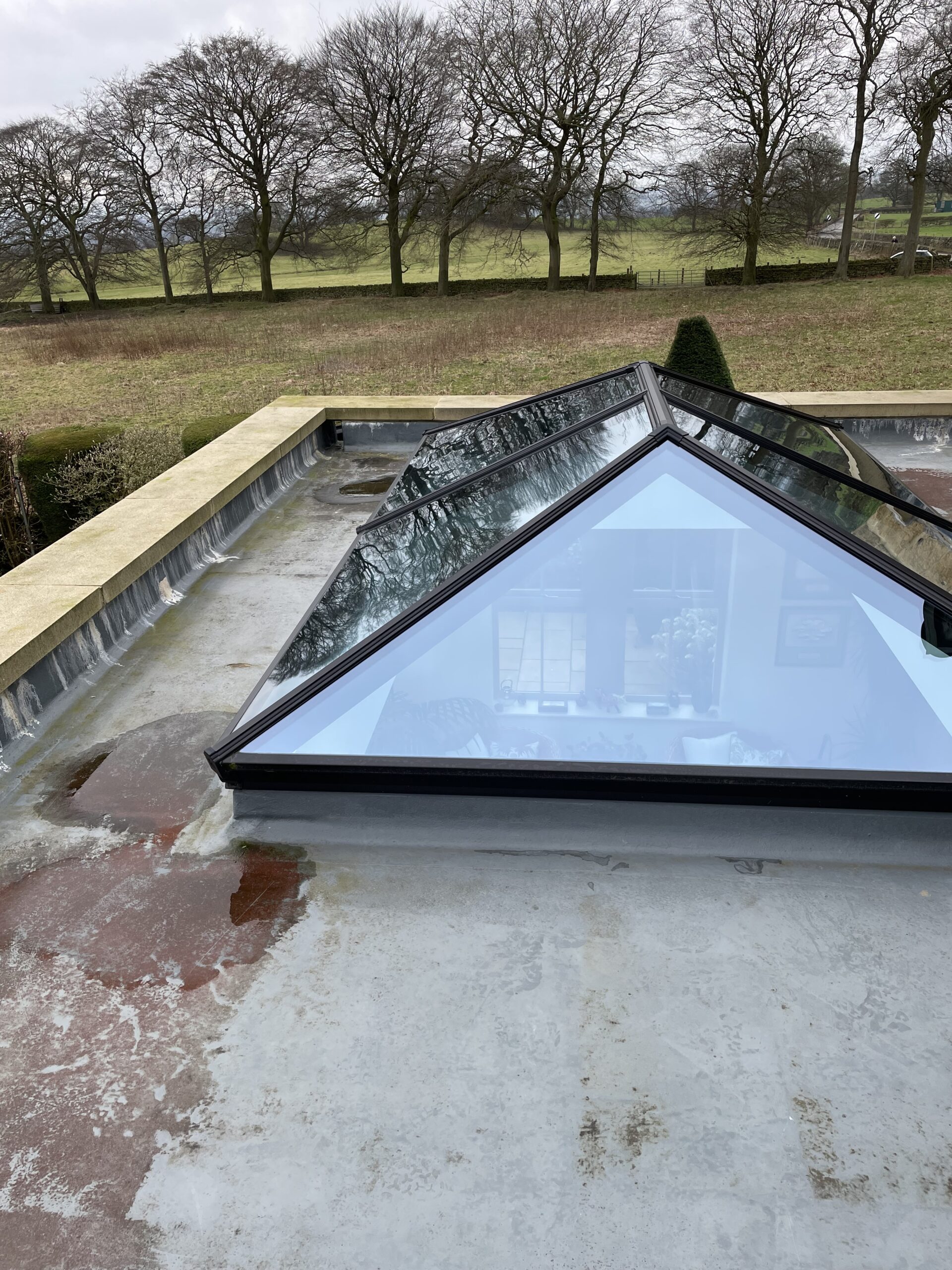
BS6229 Flat Roofs advice for property owners dealing with leaks, ponding, failed membranes, short upstands or suspected trapped moisture.
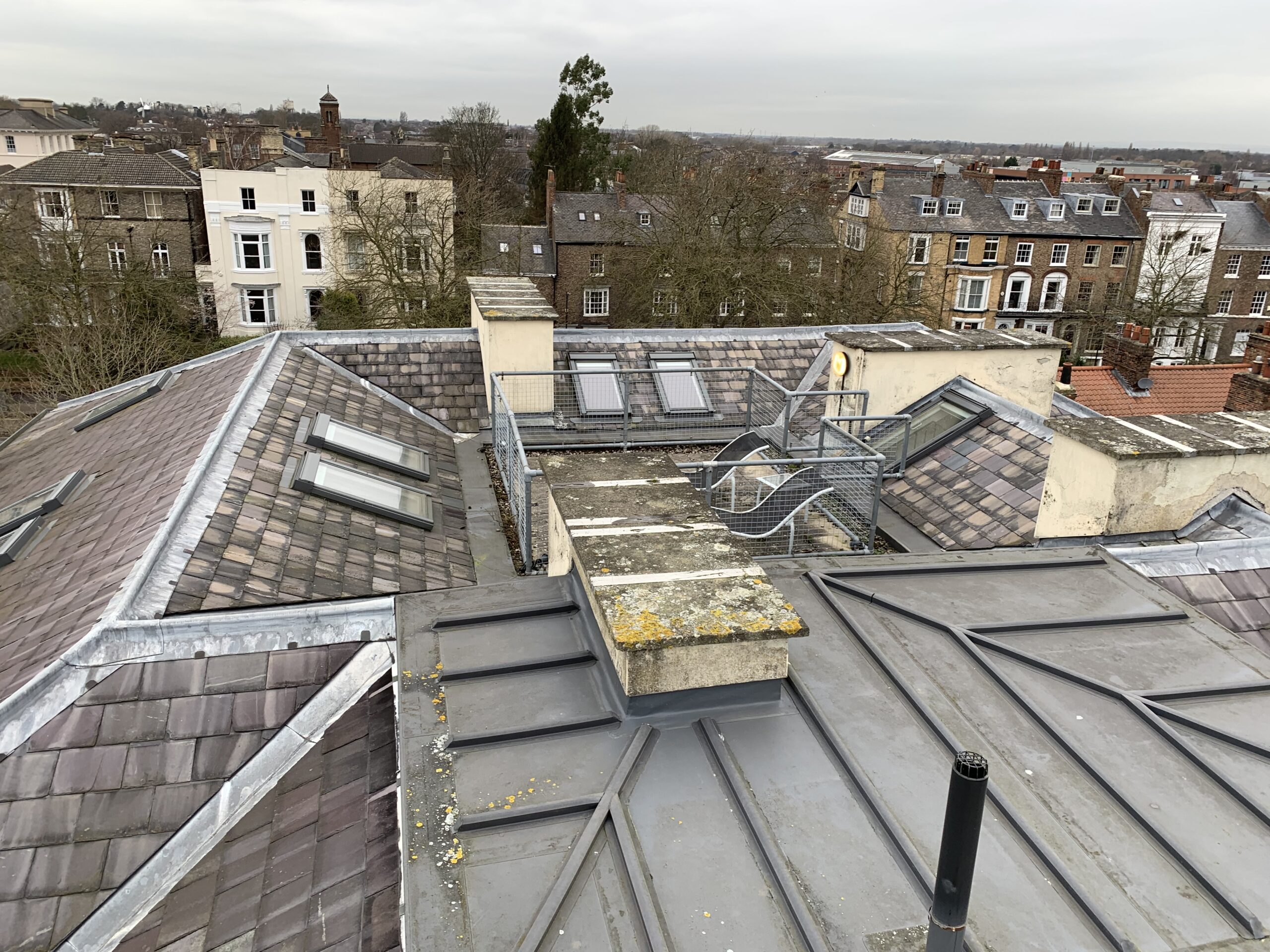
Due diligence on flat roof condition, falls, drainage, insulation, membrane life expectancy and likely future capex risk.
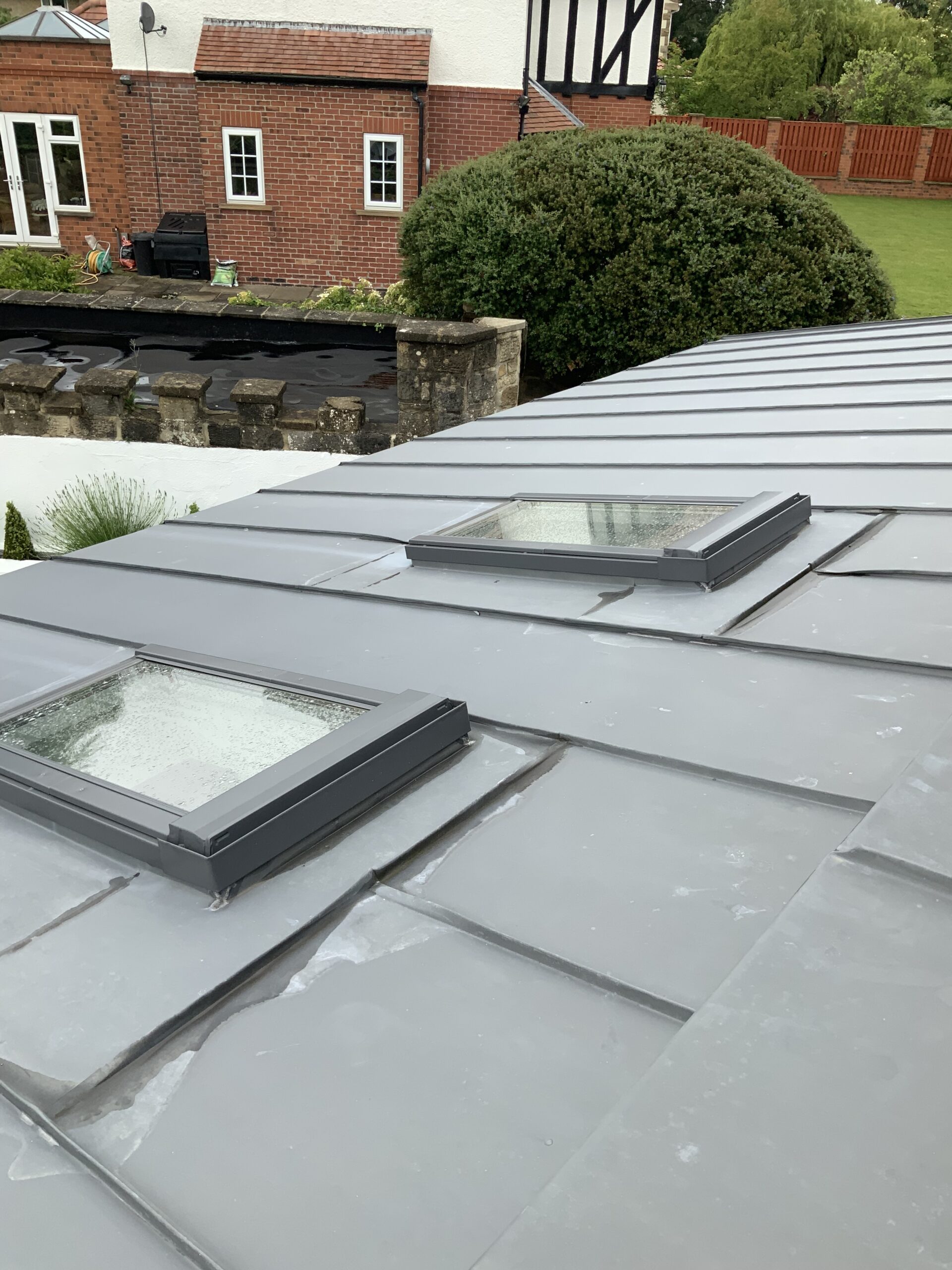
Specification, contractor review and inspection support for flat roof repairs, overlays, replacement and remedial works.
Our BS6229 Flat Roofs support combines standards-led investigation with practical roofing experience. We help clients understand why flat roofs fail, what evidence matters and what remedial works are likely to provide a durable outcome.
Where required, Strut can also prepare specifications, tender documents and staged inspection hold-points for remedial flat roofing and associated building envelope repairs.
Get in Touch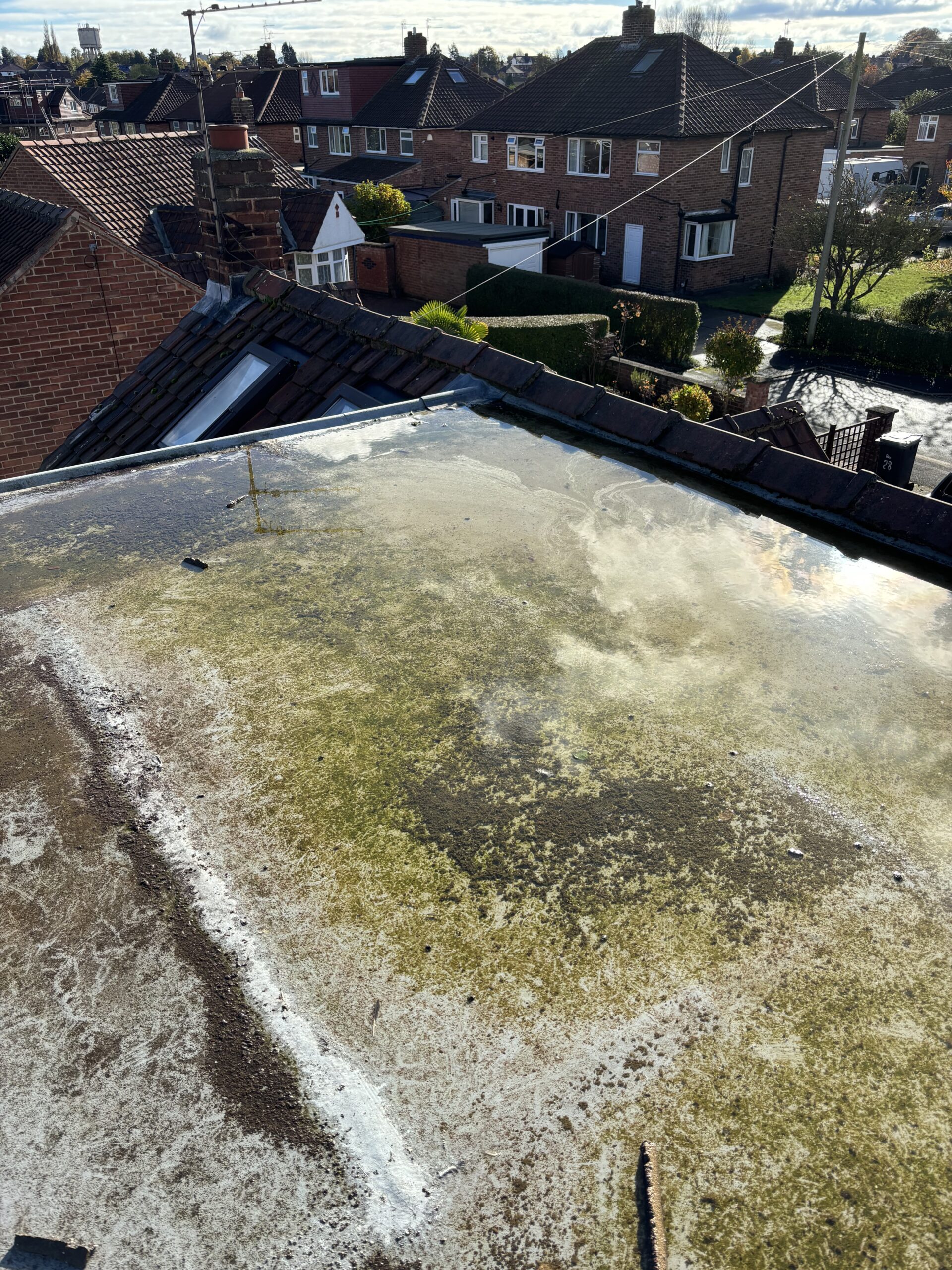
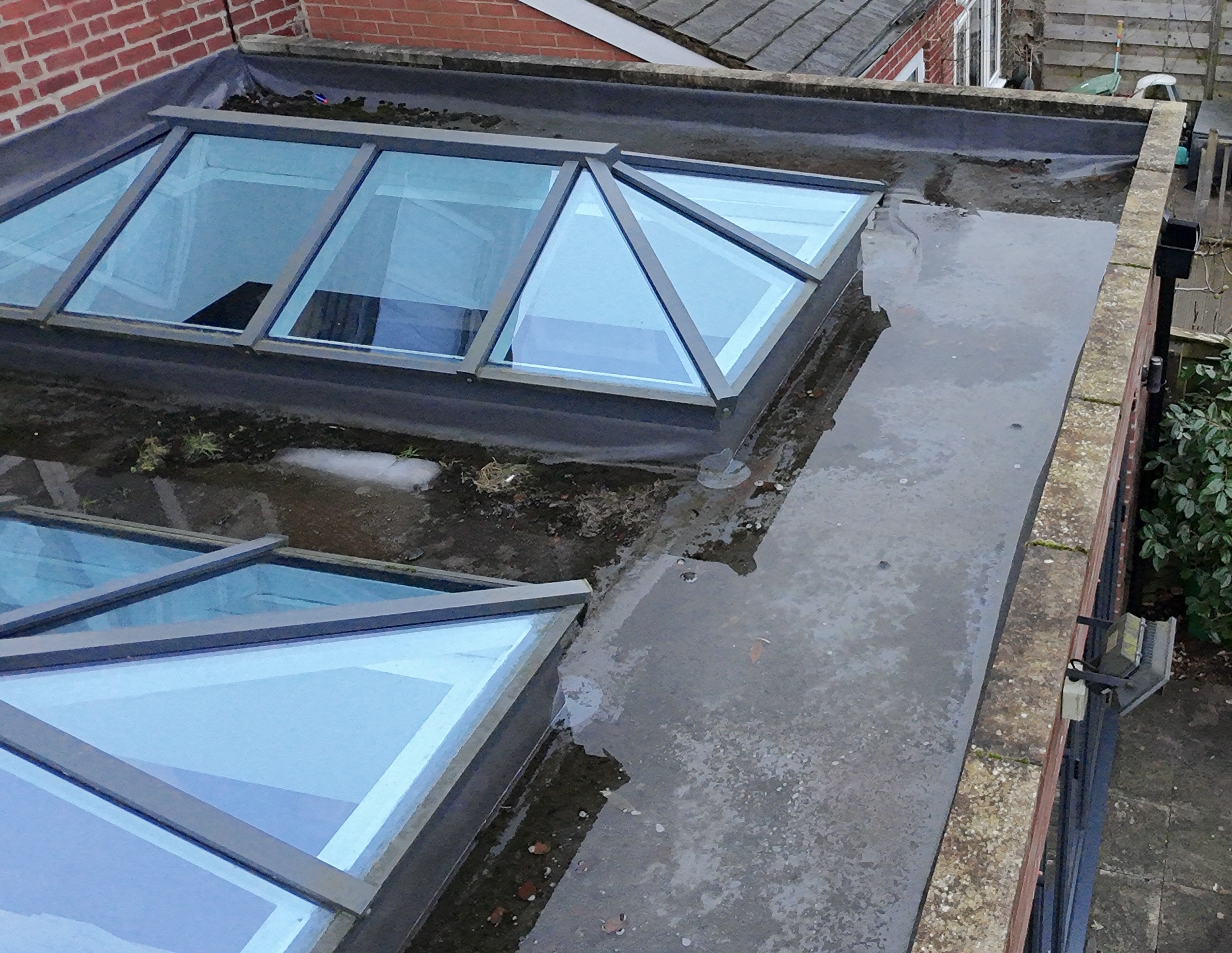
A surveyor-led guide explaining flat roof defects in York, why membranes fail prematurely, how inspections [...]
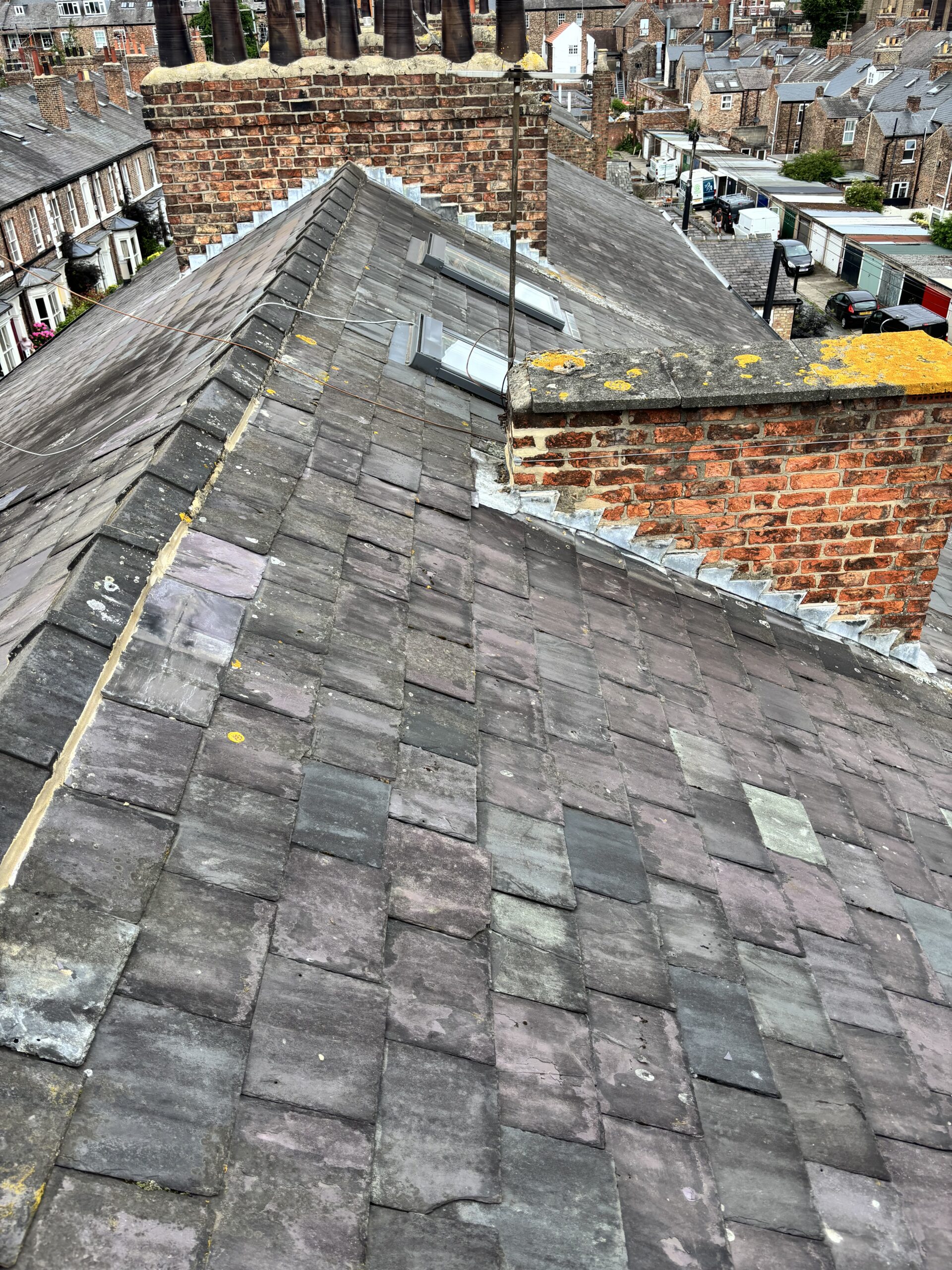
A surveyor-led guide explaining why leaking roofs in York are often misdiagnosed, how water travels [...]
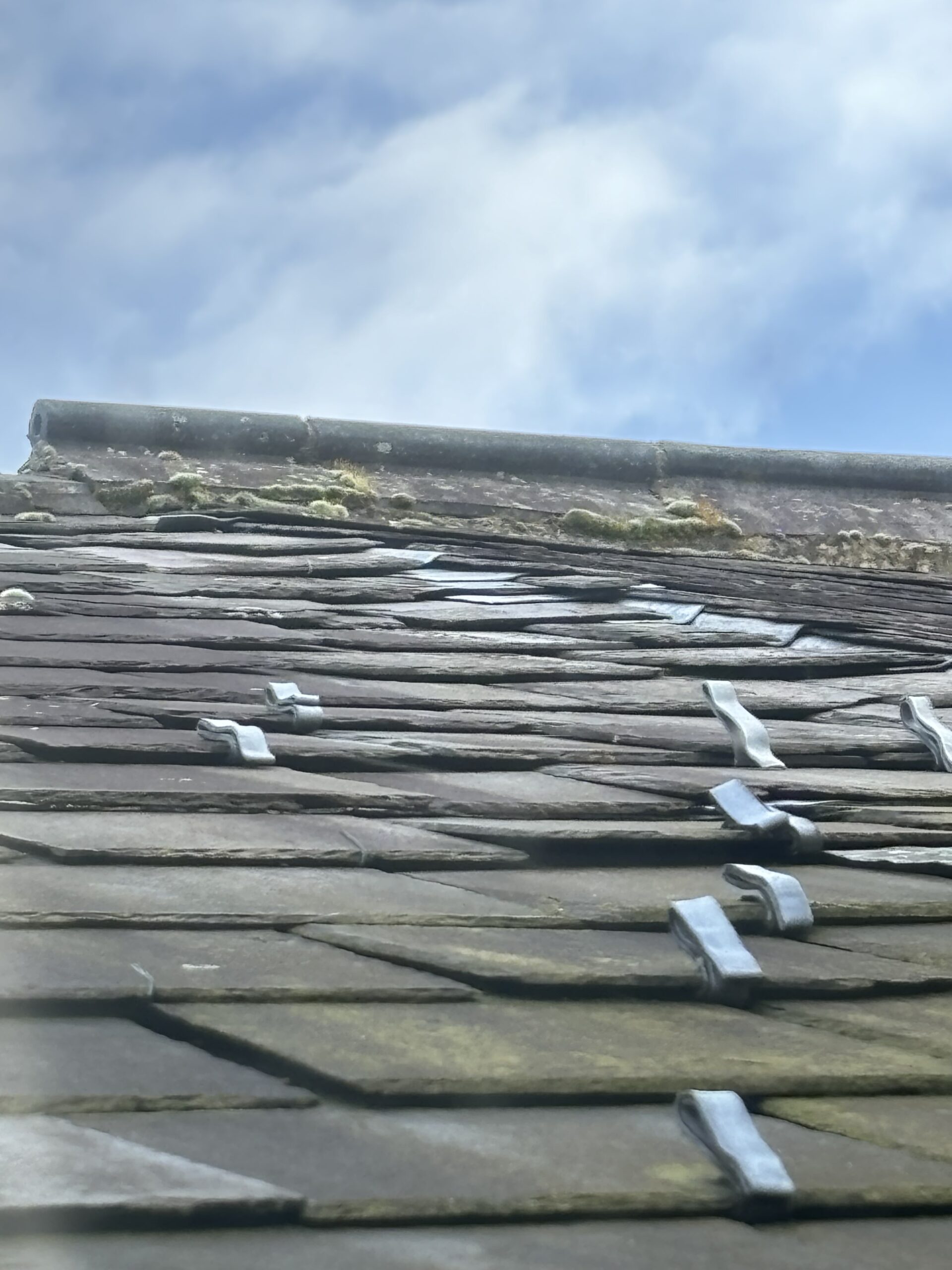
A surveyor-led guide explaining how poor roof workmanship in York is identified, how it differs [...]
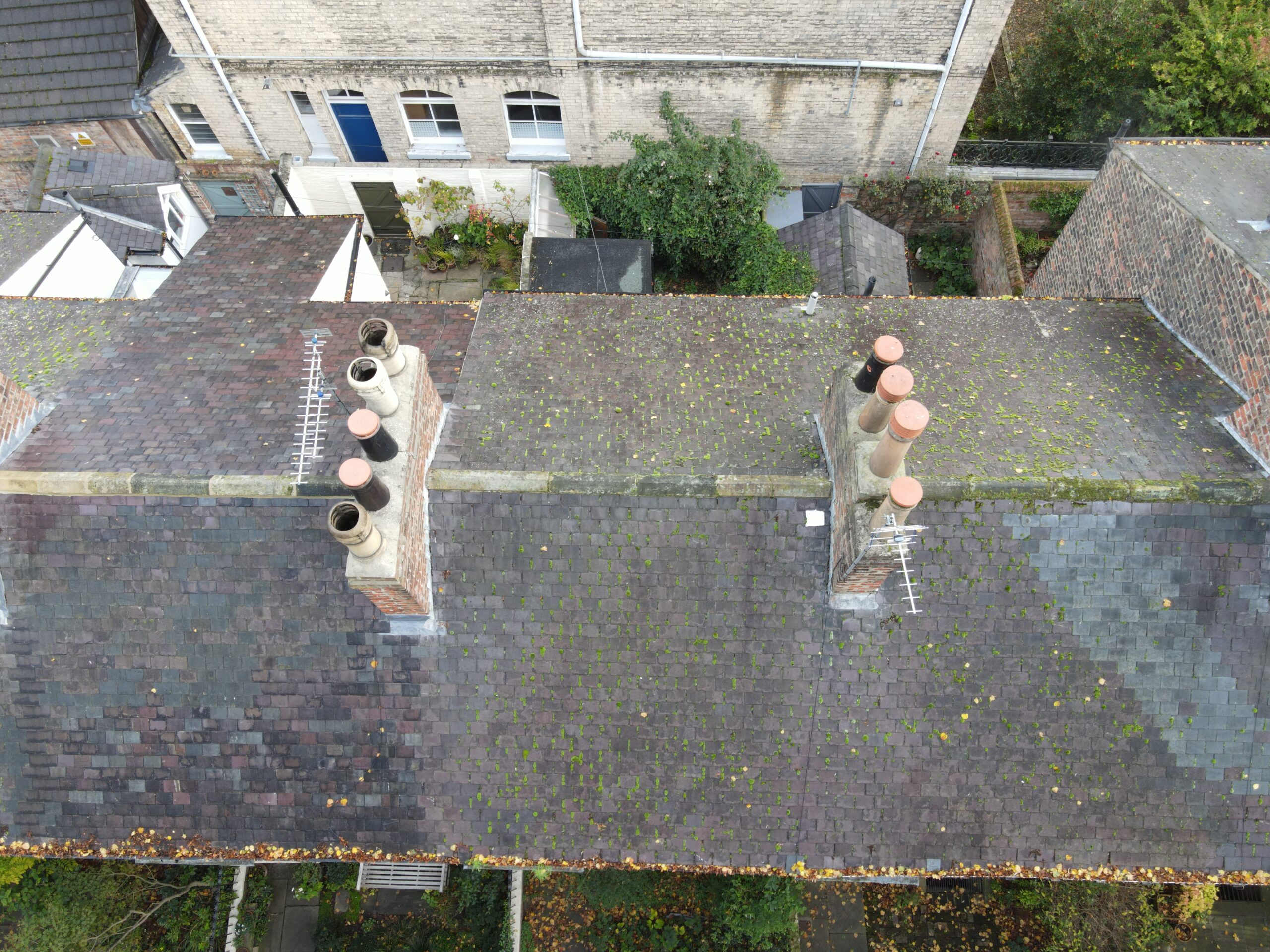
A detailed inspection-led guide explaining how poor roofing work in York is identified, why defects [...]
A Party Wall Survey under the Party Wall etc. Act 1996 prevents disputes during boundary [...]

A Listed Building Survey provides essential insight for owners and buyers of historic properties. Discover [...]
A practical Building Safety Act 2022 Guide for domestic and commercial building owners, explaining time [...]

A Snagging Survey ensures your new-build home meets standards before the developer’s warranty expires. Discover [...]

