

 Why Strut
 Services
 Recent Surveys
 Locations
 Knowledge
 Contact
ROOFING STANDARDS AND DEFECTS
BS6915 Leadwork
Independent BS6915 Leadwork guidance for lead roof defects, failed flashings, cracked valleys, poor code selection, thermal movement failure, defective gutters and remedial specifications.
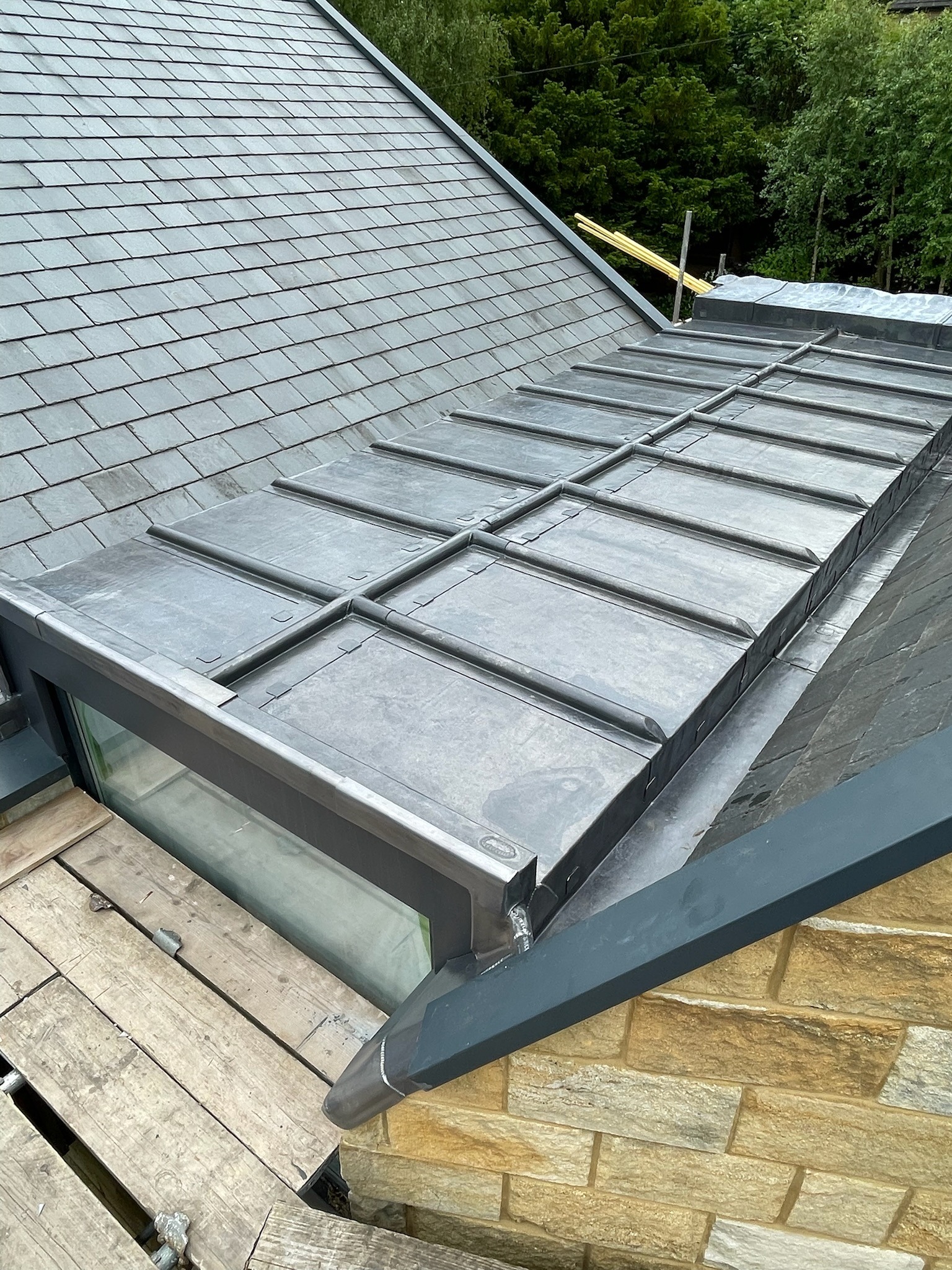
Independent BS6915 Leadwork guidance for lead roof defects, failed flashings, cracked valleys, poor code selection, thermal movement failure, defective gutters and remedial specifications.
BS6915 Leadwork is central to the long-term performance of lead flashings, valleys, gutters, aprons, soakers, saddles and roof junctions. Many lead roof defects arise because thermal movement has been restrained, bay sizes are excessive, code selection is unsuitable or detailing has been poorly executed.
At Strut Building Surveyors, we assess BS6915 Leadwork defects through a practical, evidence-led approach. We consider lead code, bay size, laps, welts, drips, chases, fixings, substrates, outlets, ventilation, separators and interfaces with roof coverings to establish whether failure is localised or part of a wider design or workmanship problem.
This page sits within our wider Roofing Standards and Defects cluster and supports our specialist Roofing Surveying Services. It is designed for clients dealing with leaking leadwork, defective valleys, chimney abutment failures, cracked gutters, poor contractor workmanship or uncertainty following roof repairs.
BS6915 Leadwork should not be viewed in isolation. Leadwork failures may also involve BS5534 Slating and Tiling, BS5250 condensation and moisture risk, flat roof drainage, rainwater discharge and wider workmanship standards.
For wider technical context, see external Leadwork Standards guidance and detailed BS6915 leadwork guidance.
Based in York, Strut provides independent BS6915 Leadwork defect consultancy across Yorkshire and within approximately 100 miles of York.
Get in touch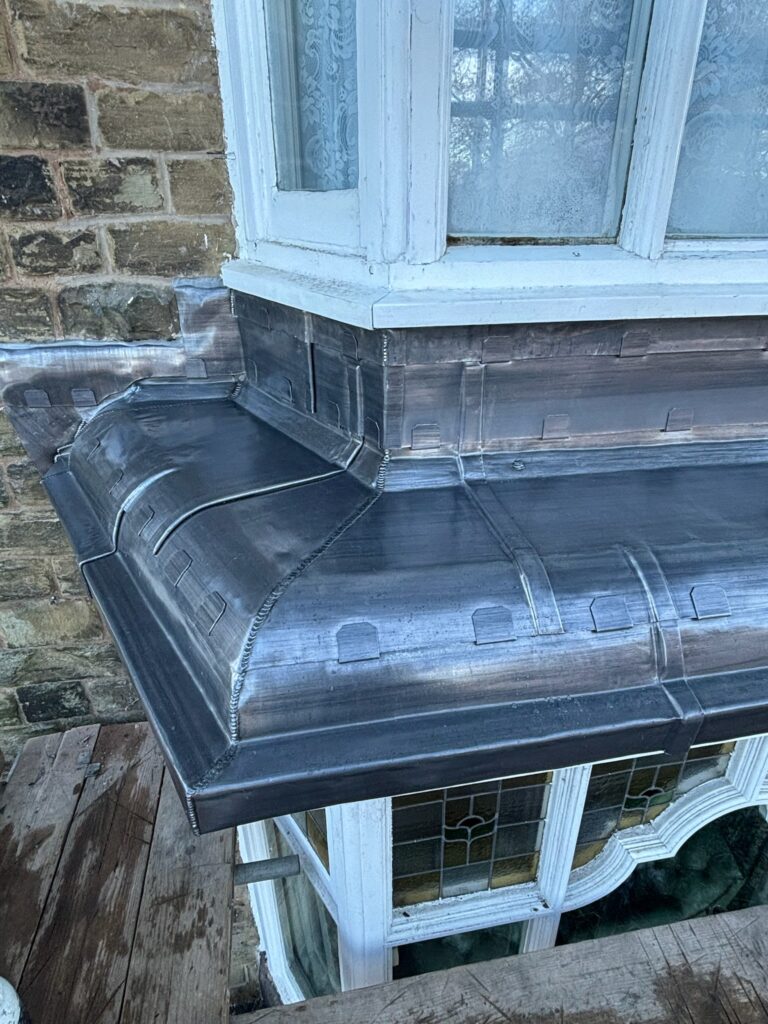
Our BS6915 Leadwork investigations are structured to establish what has failed, why it has failed and whether remedial works should be localised, phased or specified as part of a wider roofing or building envelope repair strategy.
Where leadwork has failed following recent roofing works, we can assist with independent reporting, contractor discussions, remedial specification and staged verification.
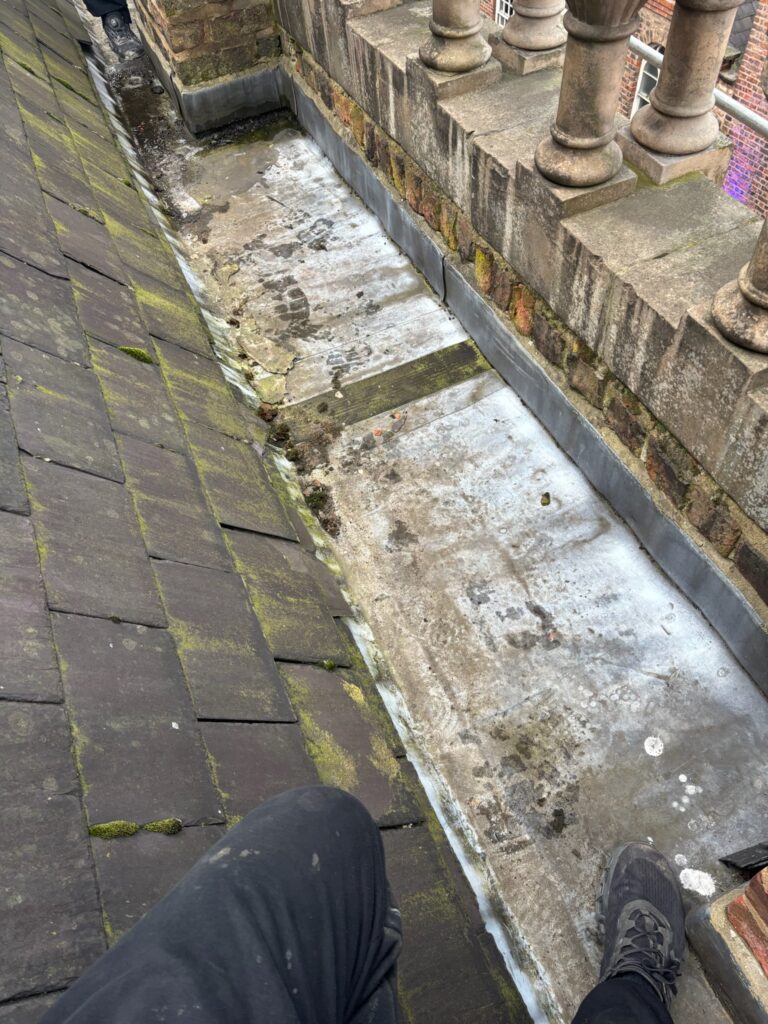
BS6915 Leadwork defects often become visible as staining, cracking, damp at chimney breasts, failed valleys, ponding gutters, split flashings or repeated leakage at abutments. The visible leak is usually only part of the problem. The underlying cause is often incorrect code selection, excessive bay size, poor fixing, inadequate lap, restricted movement or poor sequencing with adjacent roof coverings.
Common BS6915 Leadwork issues include:
External technical context can be found through Leadwork Standards, lead roofing guides and wider BS6915 leadwork guidance.
Lead expands and contracts significantly as temperature changes. If sheets are too large, fixed too tightly, dressed poorly or restrained at changes of direction, the material can ripple, creep, fatigue and eventually split. Durable leadwork depends upon suitable code selection, correct bay sizing, properly formed joints and fixings that allow movement without compromising weathering.
For wider practical context, see specialist leadwork services and leadwork prices.
Code selection and bay sizing are central to BS6915 Leadwork performance. Oversized sheets, thin lead or poorly spaced joints can lead to fatigue cracking, distortion and early failure. We assess the detail, exposure, substrate, pitch and likely movement before recommending a suitable remedial approach.
Flashings and abutments are common failure points. We assess chase depth, wedging, pointing, lap, cover, soaker arrangement, step flashing formation and whether the detail sheds water effectively without capillary draw or local restraint.
Lead valleys and gutters require adequate falls, movement allowance, compatible outlets, overflow provision and robust substrate support. Ponding, poor outlet sizing or excessive bay lengths frequently lead to leakage and premature failure.
Restrained fixing is one of the most common causes of BS6915 Leadwork failure. We assess clips, fixings, edges, laps and changes of direction to establish whether movement has been allowed or unintentionally locked in.
Leadwork can fail from below as well as above. Where vapour is trapped below cold lead, condensation and underside corrosion may occur. We consider separators, substrates, ventilation and airtightness where moisture risk is relevant.
Local lead repair may be appropriate where a defect is isolated. However, if incorrect code selection, oversized bays, restrained fixings or poor substrates are widespread, a broader remedial specification may be more durable and cost-effective.
BS6915 is the British Standard associated with fully supported rolled lead sheet roof and wall coverings. It is used to assess lead code, sheet sizing, jointing, fixings, laps, flashings, valleys, gutters and allowance for thermal movement.
Yes. Cracked leadwork often relates to restrained thermal movement, excessive bay size, incorrect code selection, poor fixing, inadequate jointing or weak detailing around changes of direction, valleys, gutters or abutments.
Yes. We inspect lead flashings, valleys, gutters, aprons, soakers, saddles, back gutters, step flashings, cover flashings and chimney abutments where they relate to water ingress or long-term roof performance.
Yes. We can inspect defective leadwork, prepare an evidence-led report, advise on likely causation and help define a practical remedial specification for contractor pricing or dispute resolution.
This BS6915 Leadwork page forms part of Strut’s wider Roofing Standards and Defects cluster. Related Strut guidance includes:
Where leadwork defects involve pitched roof coverings, fixing issues or dry-fix details, review our BS5534 Slating and Tiling guidance. Where moisture or underside corrosion is suspected, review BS5250 Condensation and Moisture Risk.
Strut provides BS6915 Leadwork defect consultancy across York, Harrogate, Leeds, Wetherby, Ripon, Knaresborough, Selby, Malton, Thirsk, Northallerton, Whitby, Scarborough and wider Yorkshire.
Related services: Roofing Surveying Services · Roof Surveys · Specific Defect Survey · Drone Survey.
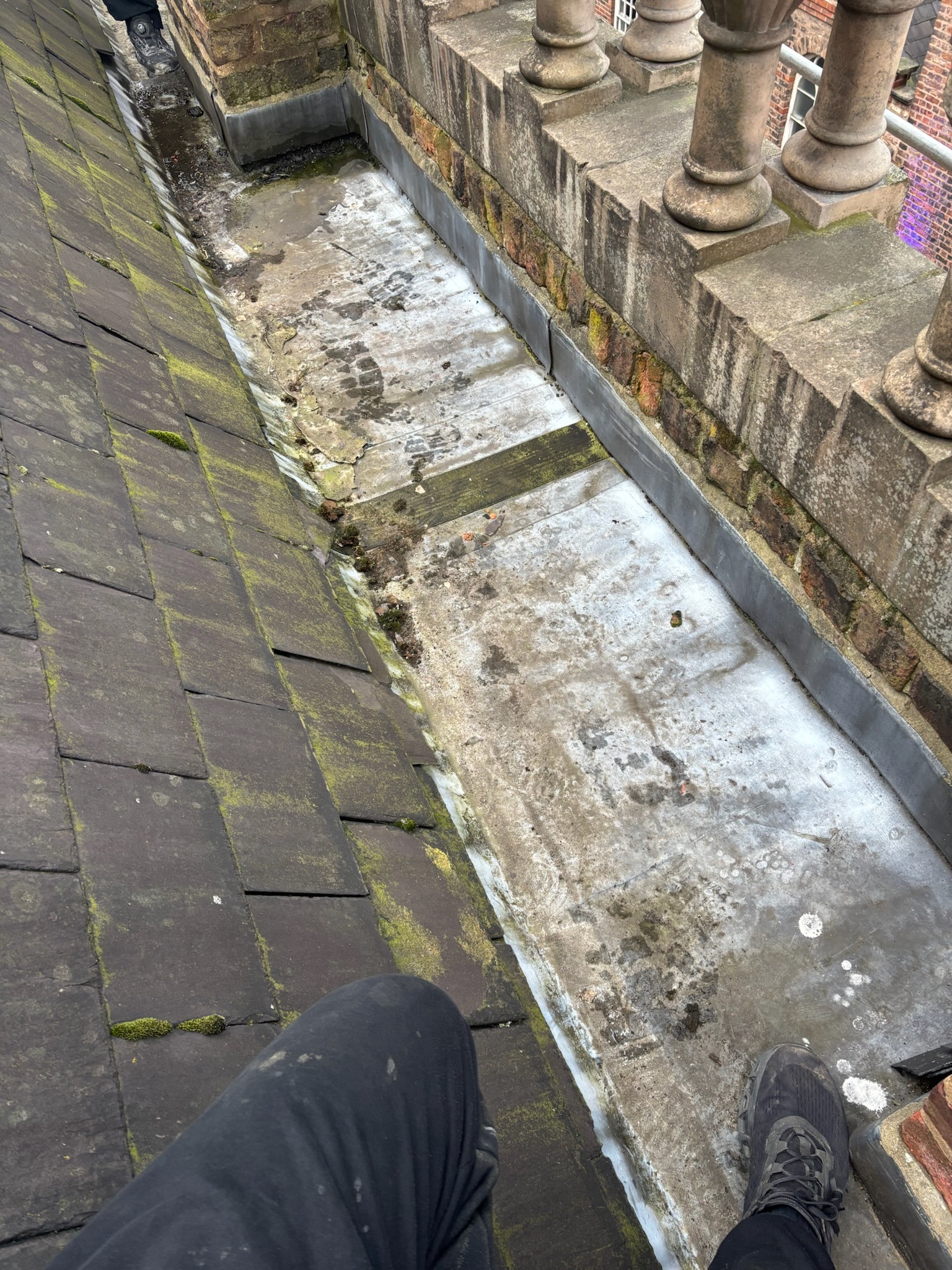
BS6915 Leadwork advice for property owners dealing with leaks, cracked lead, failed flashings, valley defects or chimney abutment problems.
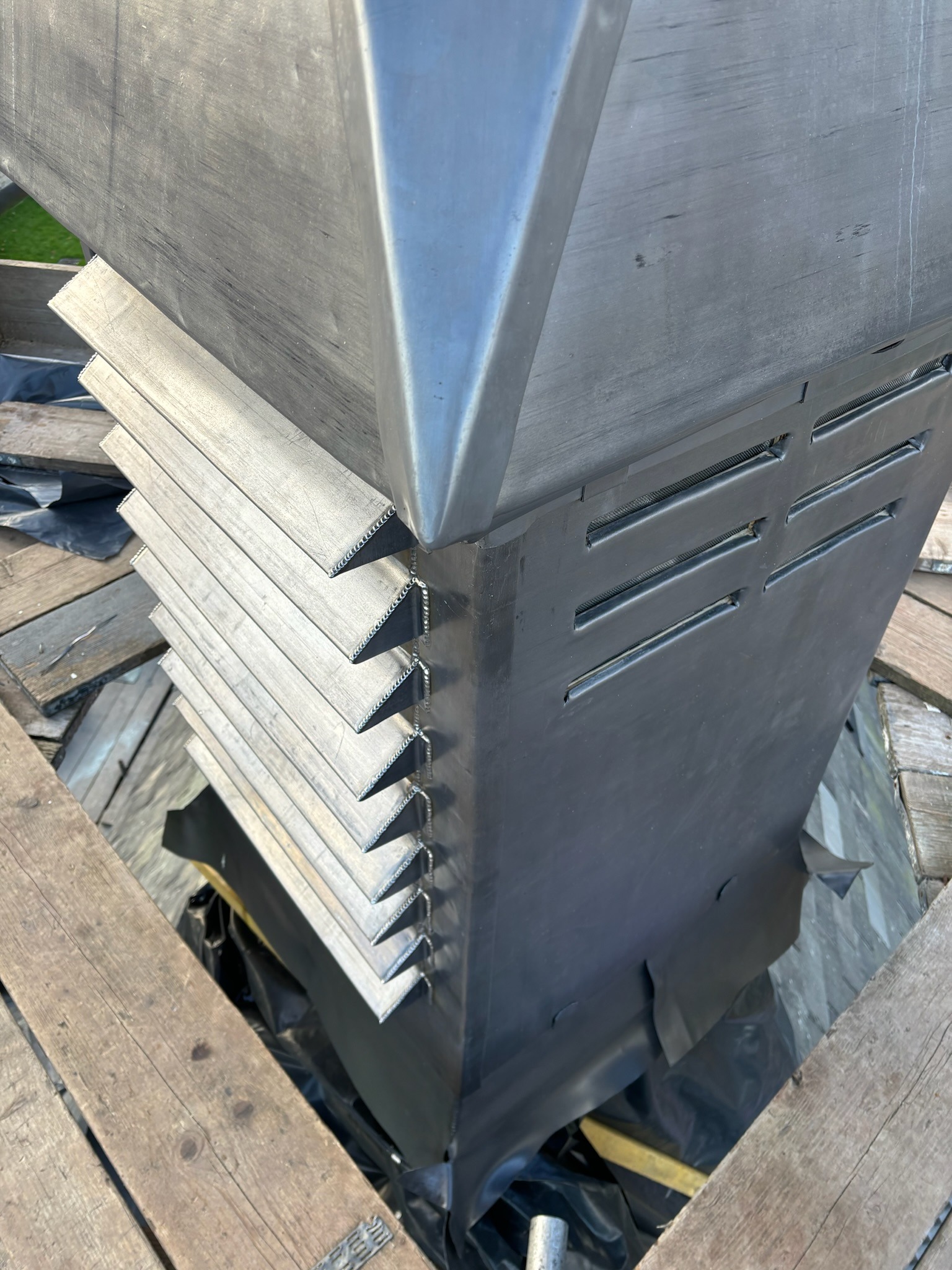
Due diligence on lead flashings, valleys, gutters, chimneys, roof junctions, likely repair costs and future capex risk.
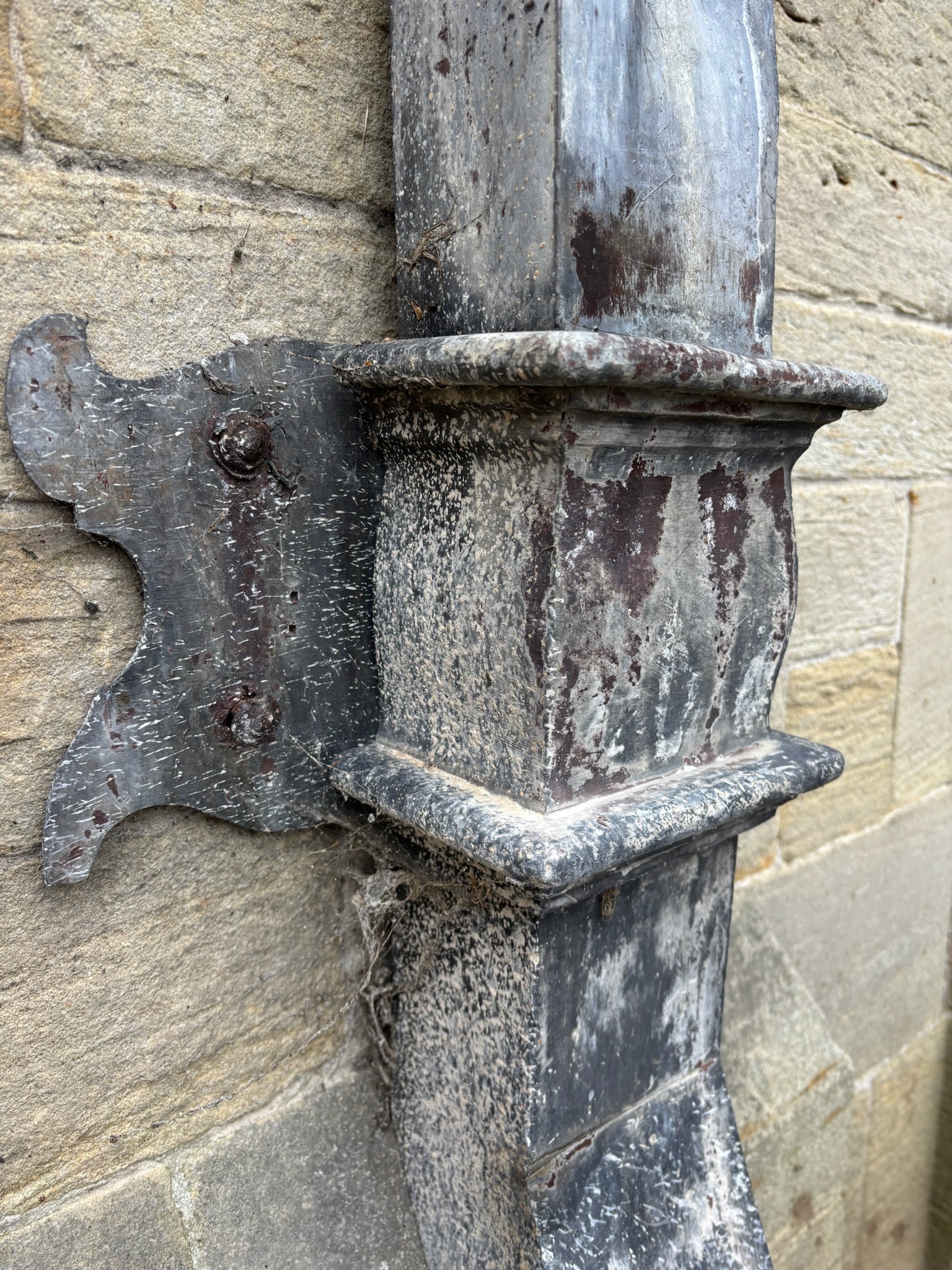
Specification, contractor review and inspection support for leadwork repairs, renewal, chimney details and remedial roofing works.
Our BS6915 Leadwork support combines standards-led investigation with practical roofing experience. We help clients understand why lead details fail, what evidence matters and what remedial works are likely to provide a durable outcome.
Where required, Strut can also prepare specifications, tender documents and staged inspection hold-points for remedial leadwork and associated roofing repairs.
Get in Touch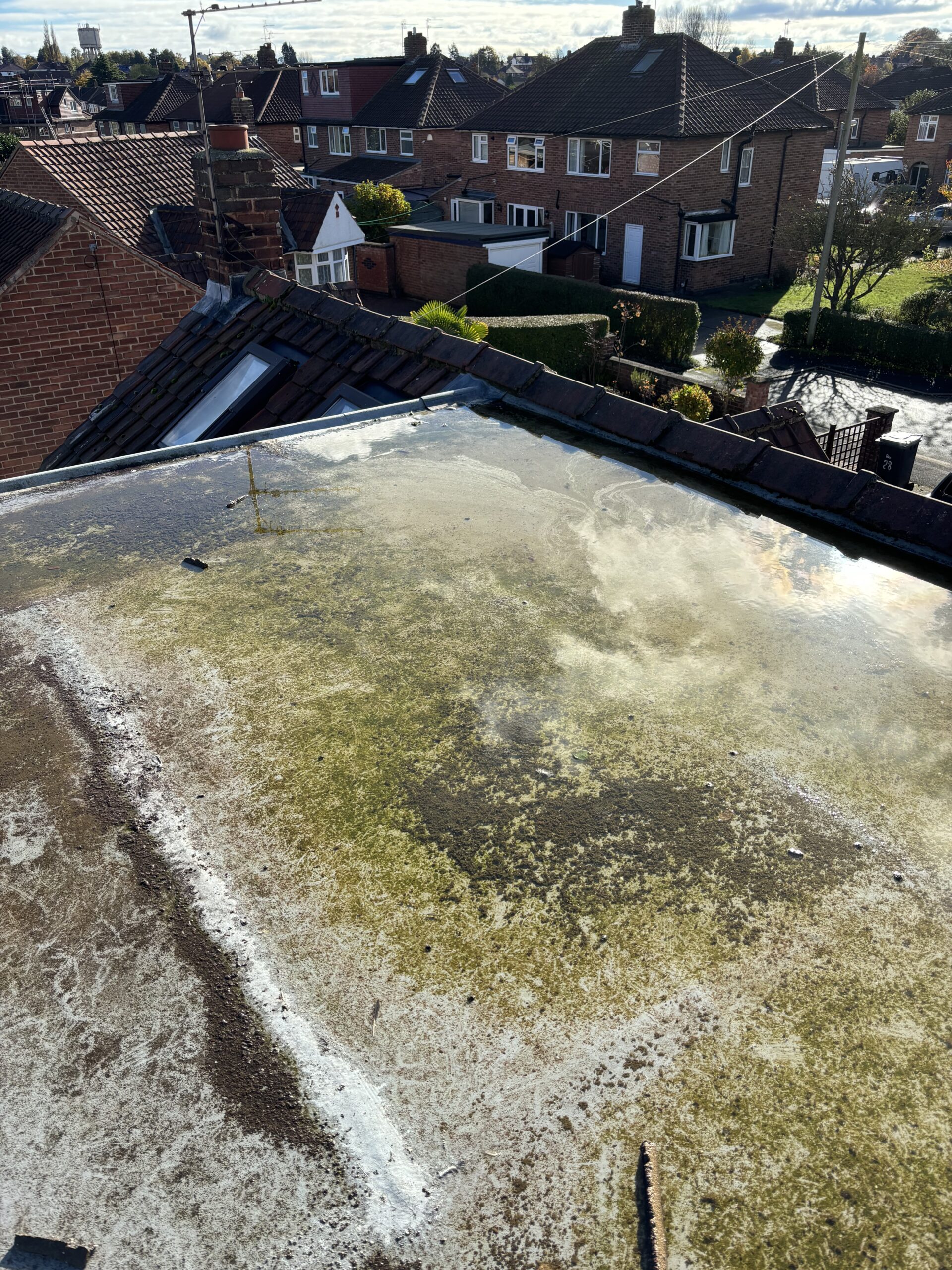
A surveyor-led guide explaining flat roof defects in York, why membranes fail prematurely, how inspections [...]
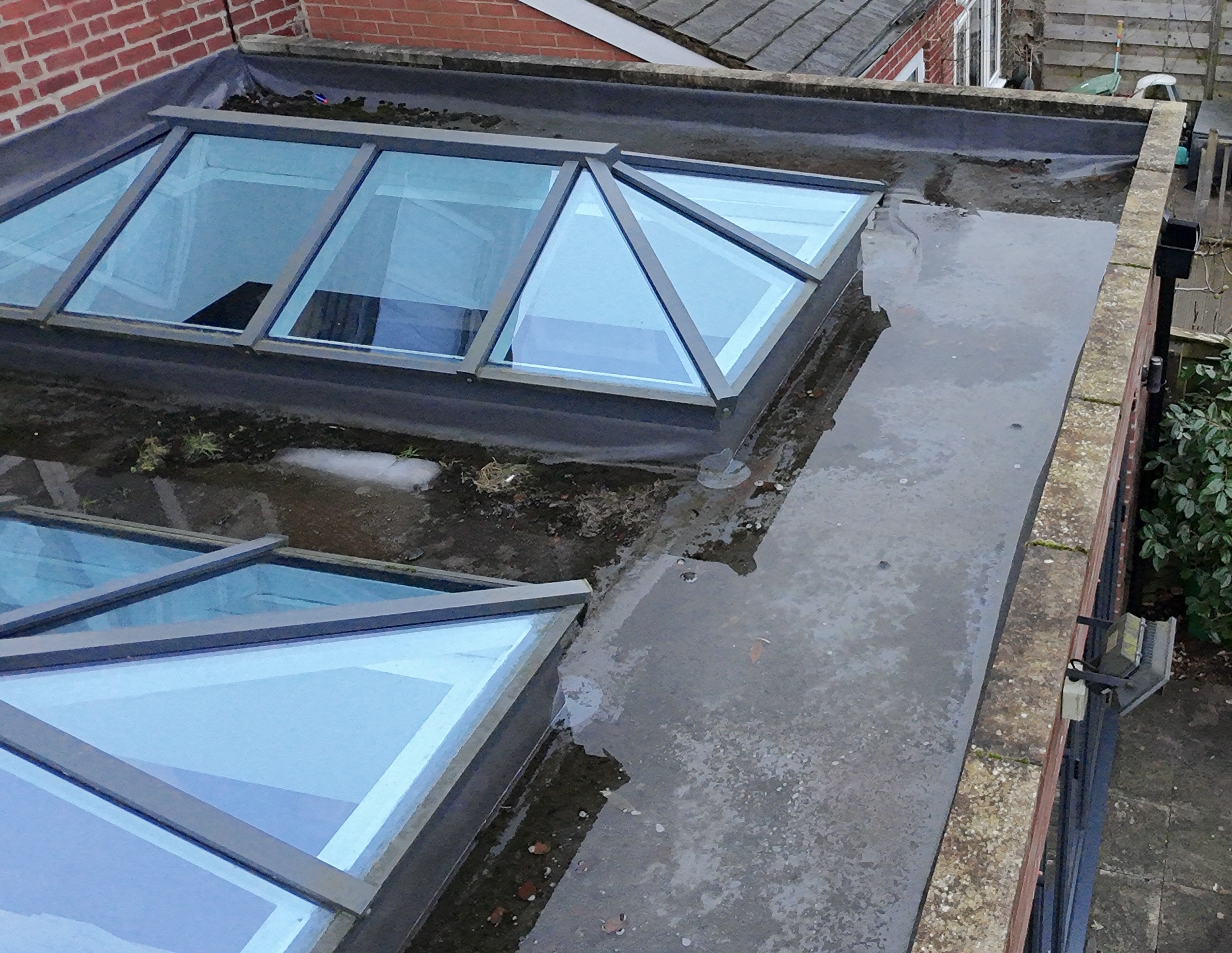
A surveyor-led guide explaining why leaking roofs in York are often misdiagnosed, how water travels [...]
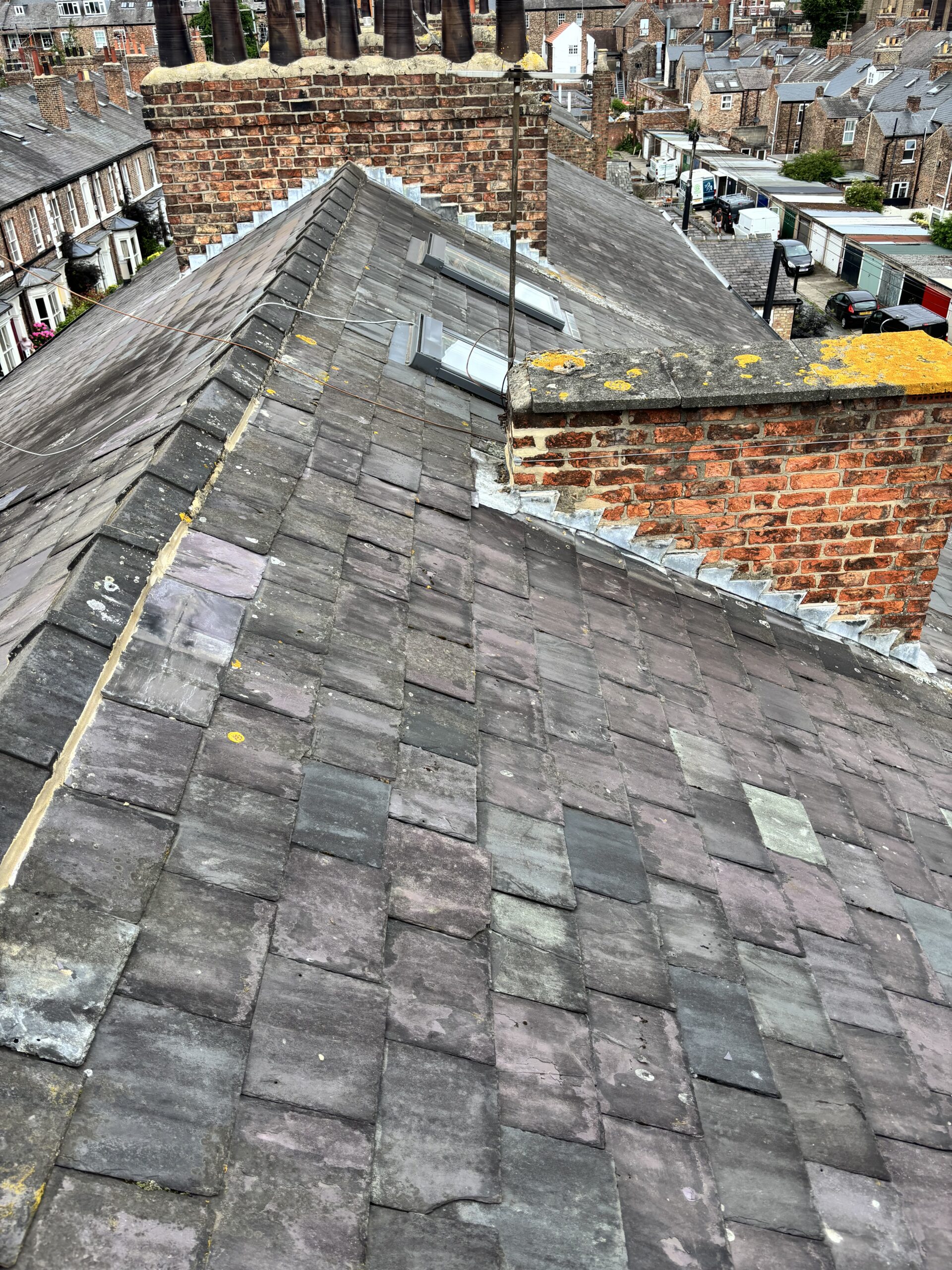
A surveyor-led guide explaining how poor roof workmanship in York is identified, how it differs [...]
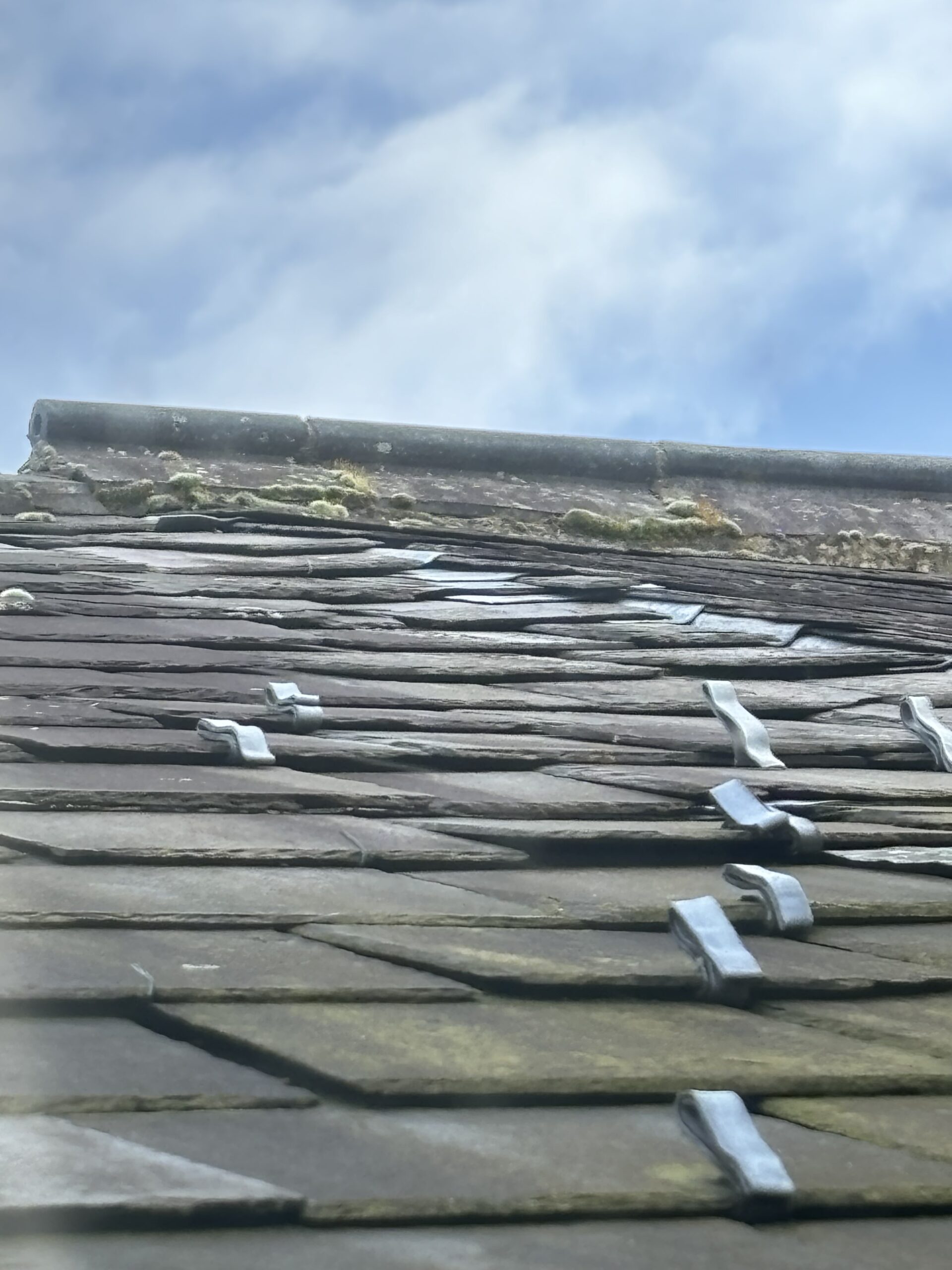
A detailed inspection-led guide explaining how poor roofing work in York is identified, why defects [...]
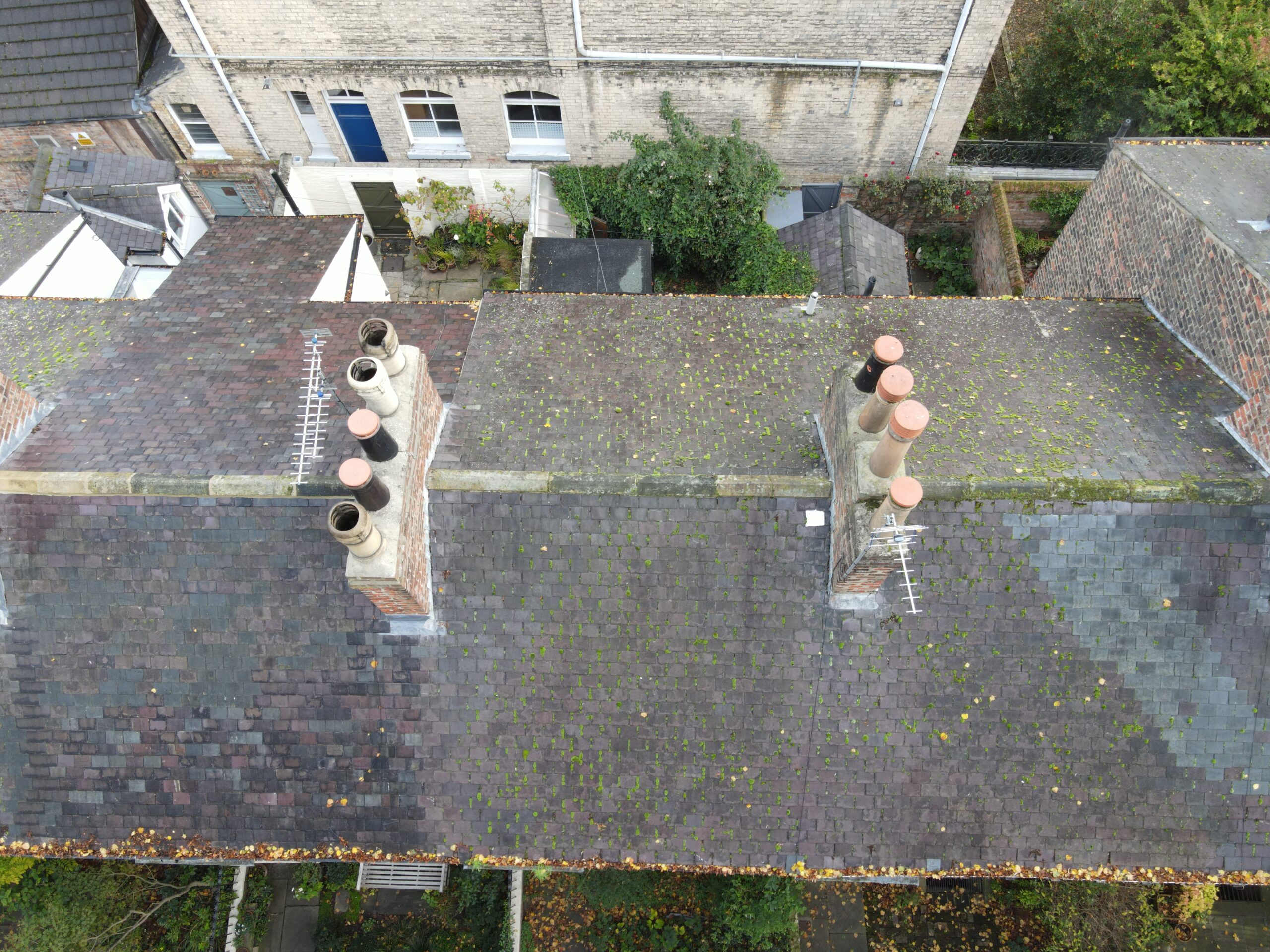
A Party Wall Survey under the Party Wall etc. Act 1996 prevents disputes during boundary [...]

A Listed Building Survey provides essential insight for owners and buyers of historic properties. Discover [...]
A practical Building Safety Act 2022 Guide for domestic and commercial building owners, explaining time [...]

A Snagging Survey ensures your new-build home meets standards before the developer’s warranty expires. Discover [...]

